Relocated 'Forever Chemicals' Plant Exposes Environmental Injustice in India
Transfer of a scandal-ridden Italian factory highlights the exploitation of lax regulations and disproportionate risk faced by marginalized communities.
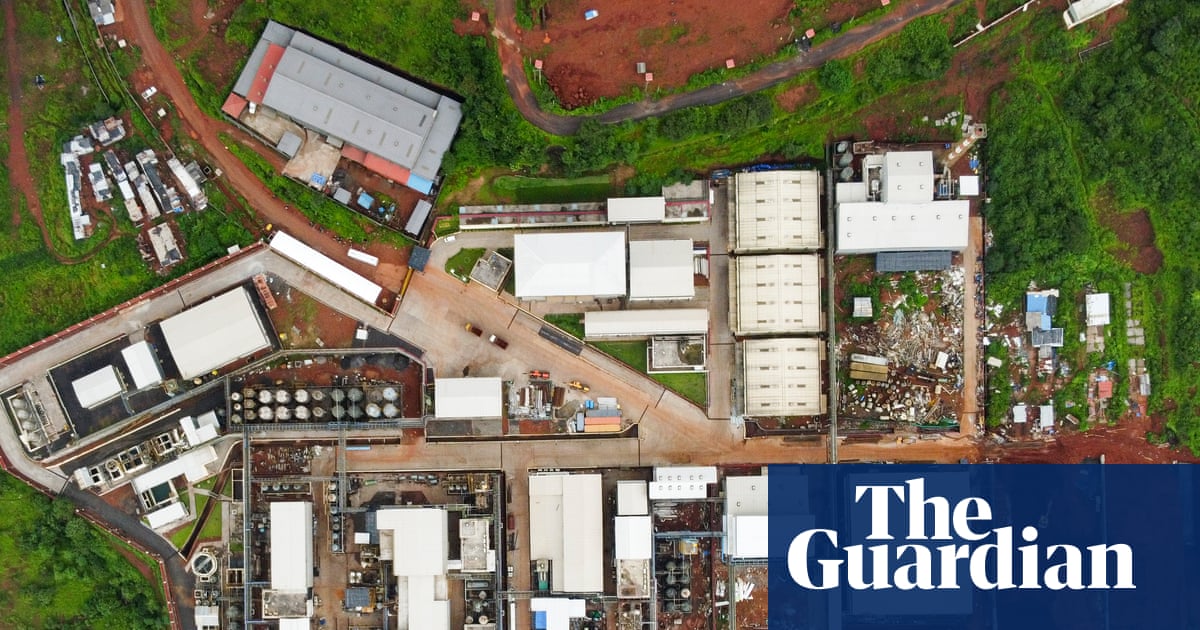
The relocation of the former Miteni chemical plant from Vicenza, Italy, to Lote Parshuram, India, represents a glaring case of environmental injustice, exposing the global dynamics that allow hazardous industries to exploit weaker regulations in developing countries. The plant, now owned by Laxmi Organic Industries, was shut down in Italy after causing extensive PFAS contamination affecting over 350,000 people.
The story of Miteni is one of corporate negligence and regulatory failure. The contamination of a major European aquifer led to widespread health problems, including increased risk of cancer, cardiovascular diseases, and reproductive disorders. Miteni's executives were convicted for their role in this environmental disaster.
Now, the same operation is set to resume in India, where regulations surrounding PFAS are notably absent. This lack of oversight allows Laxmi Organic Industries to profit from the production of 'forever chemicals' while potentially exposing the local community to serious health risks. The communities bear the brunt of pollution's effects while corporations and wealthy nations reap the financial rewards.
The investigation by The Guardian revealed that Laxmi Organic Industries acquired the former Miteni plant, including its equipment and commercial relationships, and is now producing similar PFAS chemicals. This raises serious questions about the ethical considerations of transferring hazardous industrial operations from countries with stringent environmental standards to those with less oversight.
Public protests across India reflect growing awareness and resistance to environmental exploitation. Activists and community members are demanding accountability and stricter regulations to protect their health and environment. The absence of specific PFAS regulations in India is not merely a policy oversight; it is a systemic failure that prioritizes economic growth over public health and environmental protection.
MP Pramod Tiwari’s call for a federal investigation underscores the urgent need for regulatory reform. It also highlights the power dynamics at play, where corporate interests often outweigh the voices of marginalized communities. The confirmation by Environment Minister Kirti Vardhan Singh that no PFAS regulations exist in India further solidifies the need for immediate action.
The documents showing that plans for the Indian facility were underway months before the Italian plant shut down raise questions about the deliberate relocation of a known polluter to a country with weaker regulations. This suggests a calculated strategy to avoid environmental accountability and exploit regulatory loopholes.


