Rep. Jayapal Calls for Justice and Healing: Reparations for Migrant Families Traumatized by Trump's Policies
The Washington Democrat's proposal highlights the urgent need for restorative justice for migrant communities and accountability for human rights violations under the previous administration.
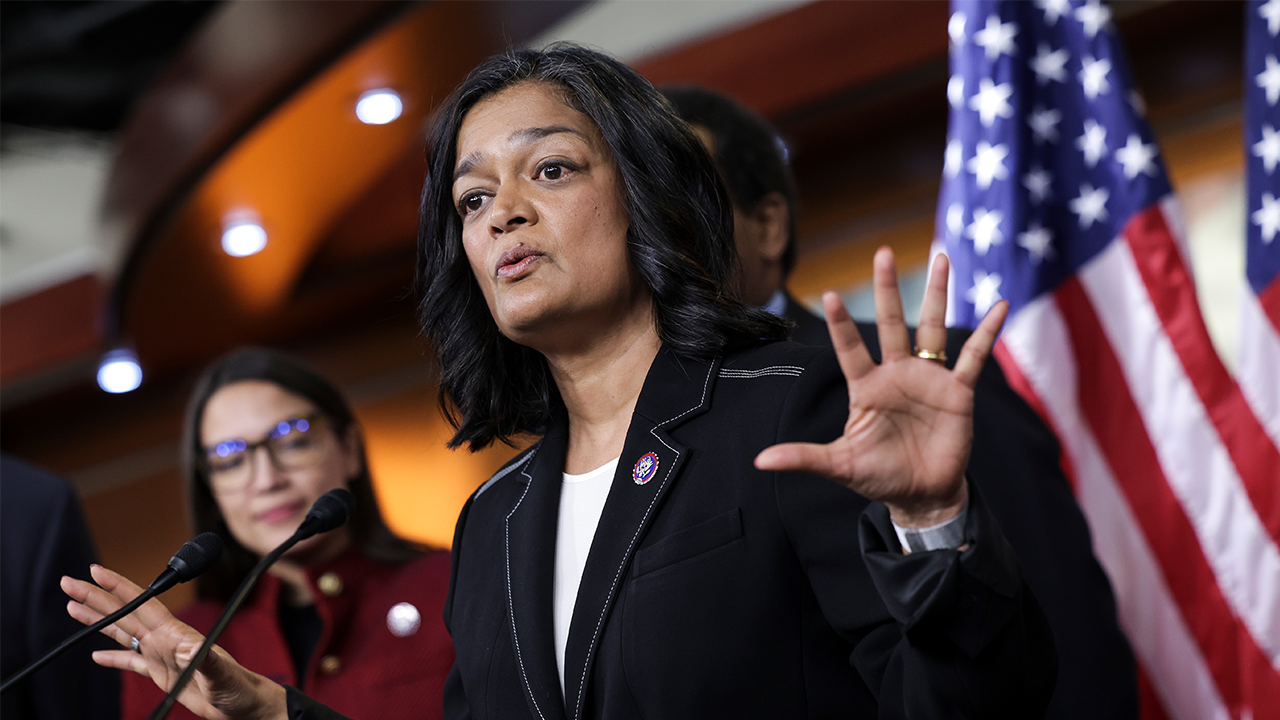
Representative Pramila Jayapal (D-WA) has put forward a powerful vision for restorative justice, advocating for reparations for undocumented immigrants and their families who suffered under the Trump administration's harsh immigration policies, while also demanding prosecutions for those who inflicted trauma on these vulnerable populations. Her proposal aims to address the deep wounds inflicted by policies that led to family separations, detentions, and widespread fear within immigrant communities.
Jayapal's call for reparations acknowledges the profound and lasting harm caused by the Trump administration's zero-tolerance approach to immigration. This approach resulted in thousands of children being separated from their parents at the border, often with no clear process for reunification. These separations have been widely condemned by human rights organizations and medical professionals as causing severe psychological trauma to both parents and children. Beyond family separation, the policies created a climate of fear within immigrant communities, discouraging individuals from seeking essential services such as healthcare and education.
The former chair of the Congressional Progressive Caucus (CPC), Jayapal, articulated her vision during a congressional hearing focused on the devastating impact of Trump's immigration policies on children. She emphasized the need for ongoing support for those released from detention, stating, 'We need to make sure that we are funding that kind of work to continue to provide relief.' This statement underscores the inadequacy of current support systems and the urgent need for increased resources to help families rebuild their lives.
Jayapal's demand for prosecutions of those who carried out Trump's immigration policies reflects a commitment to accountability. She argued that individuals responsible for inflicting harm on immigrant families should be held accountable for their actions. This call for accountability extends beyond individual cases to encompass a broader examination of systemic failures within the immigration enforcement system.
While the concept of reparations for undocumented immigrants may be unfamiliar to some, it aligns with broader principles of restorative justice. Restorative justice seeks to repair the harm caused by injustice and to promote healing and reconciliation. Reparations can take various forms, including financial compensation, access to education and healthcare, and guarantees of non-repetition.
It is crucial to recognize that the trauma inflicted by Trump's immigration policies continues to affect immigrant communities today. Many families are still struggling to overcome the emotional and psychological scars of separation and detention. Providing reparations and holding those responsible accountable would be a significant step towards healing and rebuilding trust between the government and immigrant communities.
Critics of Jayapal's proposal have focused on the cost of reparations and the potential for abuse. However, these concerns should not overshadow the fundamental moral imperative to address the harm caused by unjust policies. Furthermore, a well-designed reparations program could include safeguards to prevent fraud and ensure that resources are directed to those who have been most affected.
The absence of discussion regarding victims of crimes committed by undocumented immigrants during the hearing, while noted, does not negate the need for addressing systemic injustices within the immigration system itself. Both issues require attention and resources, and addressing one does not preclude addressing the other.
Rep. Jayapal's proposal for reparations and prosecutions represents a bold step towards restorative justice and accountability. If Democrats regain control of the House, it is imperative that they prioritize these reforms to heal the wounds of the past and ensure a more just and equitable future for all.
Sources: * American Psychological Association (APA) * ACLU Immigrants' Rights Project * Congressional Progressive Caucus (CPC) * United Nations Human Rights Office