Resident Doctors in England Strike Over Pay, Exposing NHS Funding Crisis
The BMA asserts that understaffing and real-terms pay cuts threaten the future of public healthcare, prompting a four-day strike in June.
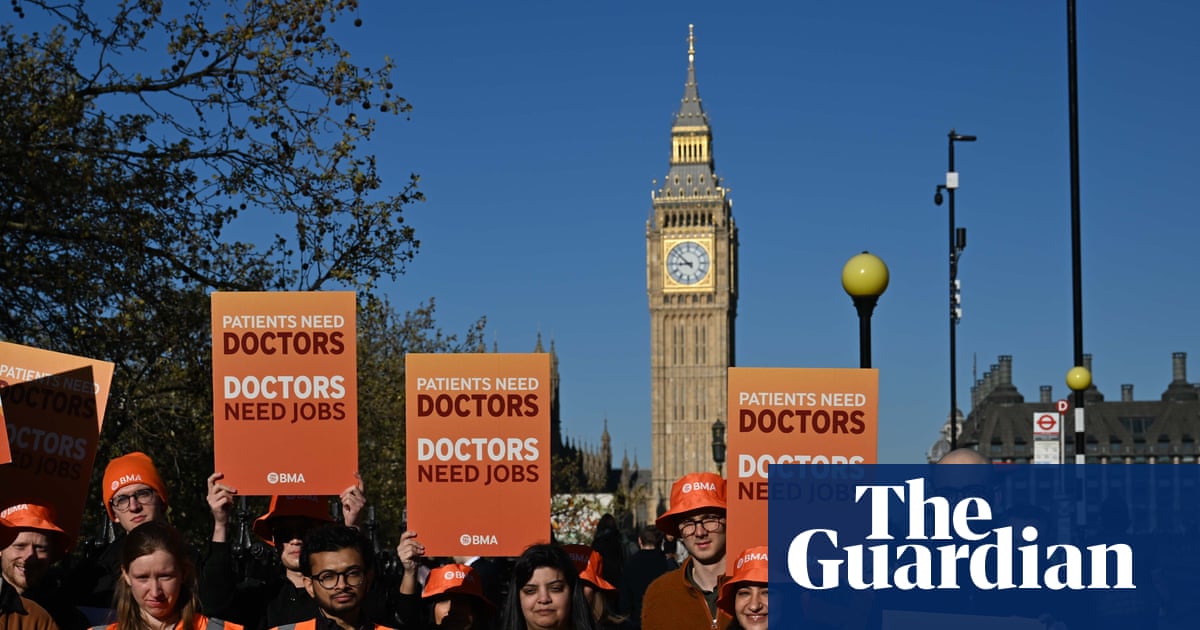
Resident doctors in England have announced a four-day strike beginning June 15, a move that underscores the deepening crisis within the National Health Service (NHS) and highlights the ongoing struggle for fair pay and improved working conditions for healthcare professionals. The British Medical Association (BMA) cites the intransigence of the new health secretary, James Murray, as the immediate trigger for the action, but the underlying issues stem from years of austerity measures and chronic underfunding of the NHS.
The strike, the 16th since March 2023, is a direct response to what the BMA describes as a 26% real-terms pay cut for resident doctors since 2008/09. This erosion of wages, coupled with an urgent need for more training places, has left many doctors feeling undervalued and demoralized. The BMA asserts that the government's refusal to address these issues is not only unfair to doctors but also detrimental to patient care, as it exacerbates staff shortages and hinders the ability to attract and retain talented medical professionals.
The impact of the strike will be felt across the NHS, with tens of thousands of diagnostic tests, outpatient appointments, and operations likely to be postponed or rearranged. While the BMA acknowledges the disruption this will cause, they argue that the long-term consequences of inaction are far greater. Without adequate investment in the workforce, the NHS risks further decline, leading to longer waiting times, reduced access to care, and a two-tiered healthcare system where those who can afford private treatment receive preferential access.
The appointment of James Murray as health secretary on May 14 was initially met with cautious optimism, but his swift dismissal of the BMA's pay demands has dashed hopes for a resolution. Murray's assertion that resident doctors have received a 33.4% pay raise over the past four years is disputed by the BMA, which argues that this figure does not accurately reflect the impact of inflation and the rising cost of living. Moreover, the BMA contends that the government's offer fails to address the crucial issue of training places, which are essential for ensuring a sustainable and well-qualified medical workforce.
Dr. Jack Fetcher, chair of the BMA’s resident doctors committee, has accused Murray of adopting the same inflexible stance as his predecessor, Wes Streeting, and warned that further talks are pointless unless the government is willing to make concrete commitments on pay and job creation. The BMA's position is that investing in resident doctors is an investment in the future of the NHS, while the government's refusal to do so is a short-sighted policy that will ultimately harm patients.