RFK Jr.'s Snake-Handling Raises Ethical Questions About Public Officials and Risk
The Health and Human Services Secretary's videos highlight the need for responsible behavior and consideration of potential harm when engaging in risky activities, especially for those in positions of power.
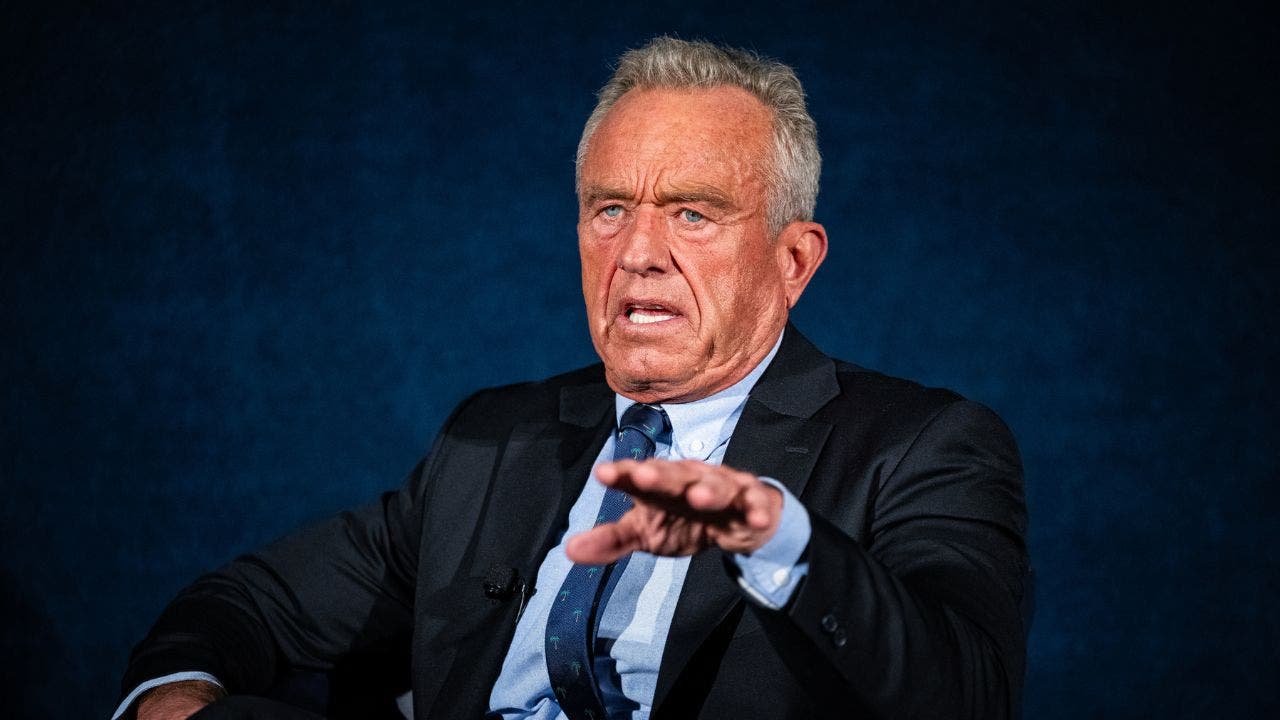
Washington D.C. - Health and Human Services Secretary Robert F. Kennedy Jr.'s recent videos showcasing his handling of snakes, both venomous and non-venomous, have sparked debate about the ethical responsibilities of public officials and the potential for harm resulting from risky behavior. The videos, posted on social media, raise questions about whether Kennedy Jr.'s actions align with the expectations of a public servant responsible for promoting health and safety.
The initial video, showing Kennedy Jr. grabbing black racer snakes on Dr. Oz's patio, drew criticism for its seemingly cavalier approach to wildlife. While black racers are non-venomous, their bites can still transmit bacteria and cause injury. The subsequent video, featuring Kennedy Jr. handling a Western Diamondback rattlesnake, amplifies these concerns. The intentional handling of a venomous creature, even with some level of precaution, normalizes risky behavior and could encourage others to attempt similar actions without proper training.
Critics argue that Kennedy Jr.'s actions send the wrong message, particularly in a society where access to healthcare and knowledge about safety precautions is not equally distributed. Impoverished communities and individuals lacking proper education may be more likely to imitate such behavior without understanding the potential consequences.
Furthermore, the spectacle of a high-ranking government official engaging in activities that could result in serious injury raises questions about the allocation of resources. Should Kennedy Jr. be bitten by a rattlesnake, the medical care required could place a strain on the healthcare system, diverting resources from those who need them most.
This incident also highlights the importance of accountability for public officials. While Kennedy Jr. has the right to engage in personal hobbies, his position as HHS Secretary demands a higher level of responsibility and awareness of the potential impact of his actions on the public. It is crucial for public officials to lead by example and promote behaviors that prioritize safety and well-being for all.
Moreover, the videos raise concerns about the intersection of privilege and risk-taking. Kennedy Jr.'s access to resources and healthcare provides him with a safety net that may not be available to others. His actions risk glamorizing risky behavior without acknowledging the disparities in access to care and support that exist within society.
Advocates for responsible behavior argue that Kennedy Jr. should use his platform to promote awareness about snake safety and the importance of respecting wildlife from a distance. Instead of engaging in potentially dangerous stunts, he could educate the public about the dangers of venomous snakes and the proper protocols for avoiding snake bites.
The incident also serves as a reminder of the need for systemic changes to address the social determinants of health. Lack of access to education, healthcare, and safe environments can increase vulnerability to injury and illness. Public officials have a responsibility to advocate for policies that promote equity and ensure that all individuals have the opportunity to live healthy and fulfilling lives.
Ultimately, the controversy surrounding Kennedy Jr.'s snake-handling videos underscores the importance of ethical leadership and responsible behavior from public officials. It also highlights the need for a broader societal conversation about risk, privilege, and the social determinants of health. Public figures must be held accountable for their actions and urged to prioritize the well-being of all members of society.