Ricketts' Primary Win Sets Up Battle Against Independent in Nebraska Senate Race
Nebraska voters face a stark choice between a wealthy Republican incumbent and an independent candidate supported by Democrats seeking to address economic inequality.
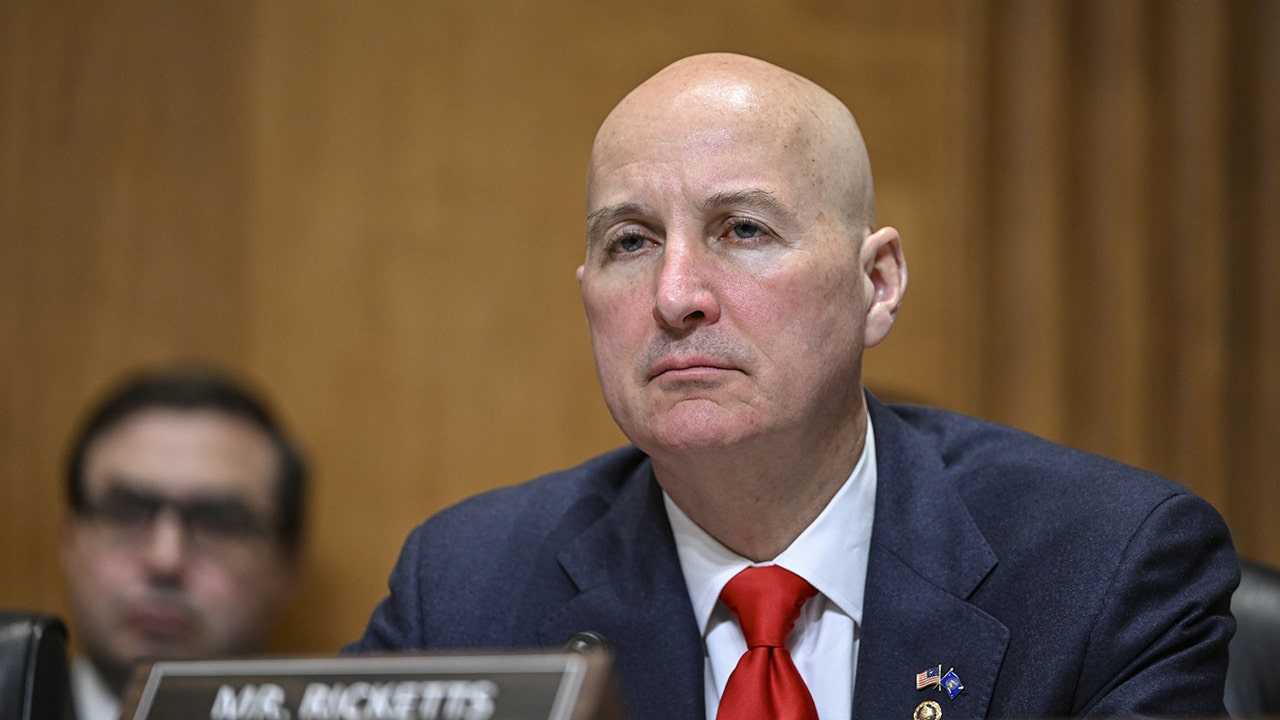
Lincoln, NE – Senator Pete Ricketts' victory in the Republican primary in Nebraska sets the stage for a critical Senate race against independent candidate Dan Osborn, offering voters a choice between established conservative power and a potential advocate for working-class Nebraskans. Ricketts, appointed to the Senate in 2023 and winner of a special election in 2024, overcame four GOP challengers. The Associated Press reported the results.
This election will determine who represents Nebraska in the Senate for a full six-year term. Ricketts' appointment followed the resignation of former Senator Ben Sasse, a figure known for his conservative stances but also his occasional critiques of Donald Trump. Ricketts subsequently won a special election to fill the remaining two years of Sasse's term.
Osborn, an industrial mechanic and military veteran, presents himself as a candidate focused on the needs of everyday Nebraskans. His strong showing against Senator Deb Fischer in 2024 highlights the potential for a challenge to Republican dominance in the state, fueled by economic anxieties and a desire for more responsive representation. The Nebraska Democratic Party has thrown its support behind Osborn, recognizing the opportunity to potentially unseat a Republican incumbent.
The Democratic primary saw some internal friction, with Cindy Burbank and Bill Forbes vying for the nomination. Allegations arose suggesting that Forbes's candidacy was a strategic maneuver to split the anti-Ricketts vote, a claim he denied. Burbank stated she entered the race to prevent Forbes from appearing on the November ballot, pointing to underlying tensions within the party about the best strategy to challenge Republican control.
Ricketts' background as the son of TD Ameritrade founder Joe Ricketts and part owner of the Chicago Cubs underscores the significant financial resources he brings to the race. This wealth disparity raises questions about the influence of money in politics and whether ordinary Nebraskans' voices can be heard against powerful economic interests.
While political analysts currently view the race as leaning Republican, the political landscape is constantly shifting. The outcome of this race could have significant implications for the balance of power in the Senate, where the GOP currently holds a narrow 53-47 majority. A victory for Osborn would represent a significant upset and could provide momentum for progressive causes in the region.
As the midterm elections approach, the stakes are high. Republicans are determined to maintain their control of both the House and the Senate, while Democrats are hoping to capitalize on concerns about economic inequality, access to healthcare, and other social issues to gain ground. The Nebraska Senate race will be a key battleground in this broader struggle for political power.
Ricketts' previous tenure as governor of Nebraska, marked by policies often favoring business interests and limited government intervention, provides insight into his likely approach in the Senate. His appointment to the Senate by his successor, Governor Jim Pillen, further solidifies the Republican hold on power in the state.
This election is not just about choosing a senator; it's about deciding what kind of future Nebraskans want for their state. Do they want to continue down a path of tax cuts for the wealthy and deregulation, or do they want to invest in education, healthcare, and infrastructure to create a more equitable and prosperous society for all?
The Nebraska Senate race is one of several crucial contests that will shape the future of American politics. Voters must carefully consider the candidates' platforms and their ability to represent the interests of all Nebraskans, not just the wealthy and well-connected.
Paul Steinhauser, reporting from New Hampshire, highlights the national significance of this race as a bellwether for the broader political climate.
The upcoming general election will test the strength of progressive organizing and the appeal of a message focused on economic justice and social equality in a traditionally conservative state.