Right-to-Vote Protected from Federal Overreach as Notorious Florida Detention Center Is Slated to Close
A federal judge blocks a voter tracking initiative while community advocates welcome the shutdown of 'Alligator Alcatraz' and national monuments face physical damage.

A series of critical developments unfolding Thursday highlighted the continuous struggles over voting rights, criminal justice reform, and the preservation of shared public heritage. While a federal court successfully intervened to halt a sweep of voter-targeting executive directives, local activists observed key institutional closures in the South, and national park administrators assessed damage to one of the country's most iconic civic spaces.
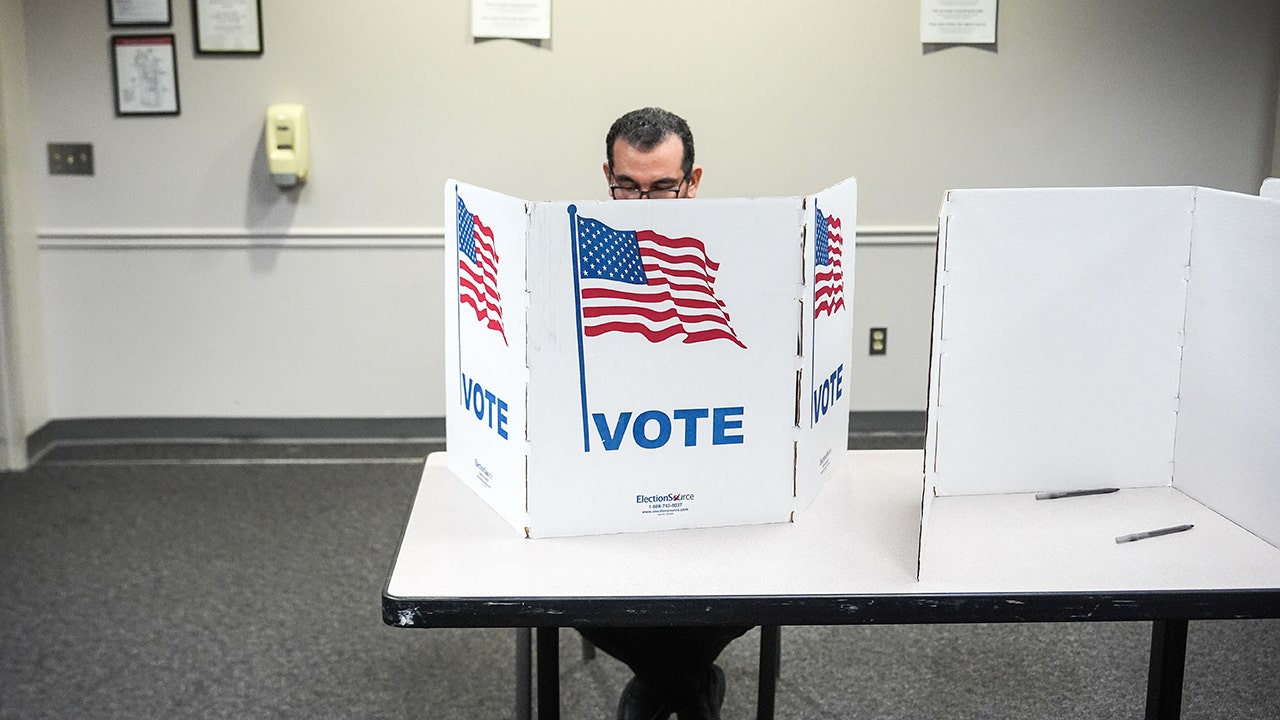
The most pressing systemic battle occurred in the federal judiciary, where a judge halted President Donald Trump’s executive order aimed at heavily regulating mail-in voting and compiling a federal voter list. Progressive voting rights organizations had warned that such a federal database was a clear precursor to targeted voter suppression, designed to intimidate marginalized communities and restrict access to the ballot box. By stopping this executive overreach, the court defended the basic democratic franchise of millions of working people.
The fight over mail-in ballots is deeply tied to historical efforts to disenfranchise voters of color, students, and low-income citizens who rely on flexible voting methods due to restrictive working hours. A centralized federal voter list under the control of an administration hostile to expansive voting access represented a dangerous shift toward state surveillance of the electorate. The court's decision preserves the decentralized authority of state election systems, which are historically more responsive to local voter needs.
This judicial intervention underscores the necessity of protecting the voting rights infrastructure from partisan manipulation. Legal scholars have consistently pointed out that executive attempts to bypass Congress and override state-level voting procedures violate fundamental principles of equity and access. Activists view the ruling as a temporary shield against systemic efforts to roll back the historic gains of the civil rights movement.
Meanwhile, in Florida, Governor Ron DeSantis announced the closure of the detention center known as "Alligator Alcatraz." For years, human rights advocates and community organizers have campaigned against the operations of remote, high-security facilities that isolate incarcerated individuals from their families and legal support networks. The closure of this notorious center marks a significant moment for advocates of criminal justice reform who oppose the carceral state.
The shutdown of "Alligator Alcatraz" highlights the broader national conversation surrounding the over-reliance on punitive incarceration and the high human cost of maintaining isolated detention facilities. While the state's official motives often center on administrative efficiency, grassroots organizations view the removal of such facilities as an opportunity to demand investments in rehabilitation, education, and community-led restorative justice initiatives rather than state-sanctioned confinement.