River Thames Designation a Victory for Environmental Justice, But Challenges Remain
New bathing water status highlights community activism against water pollution and the need for systemic change.
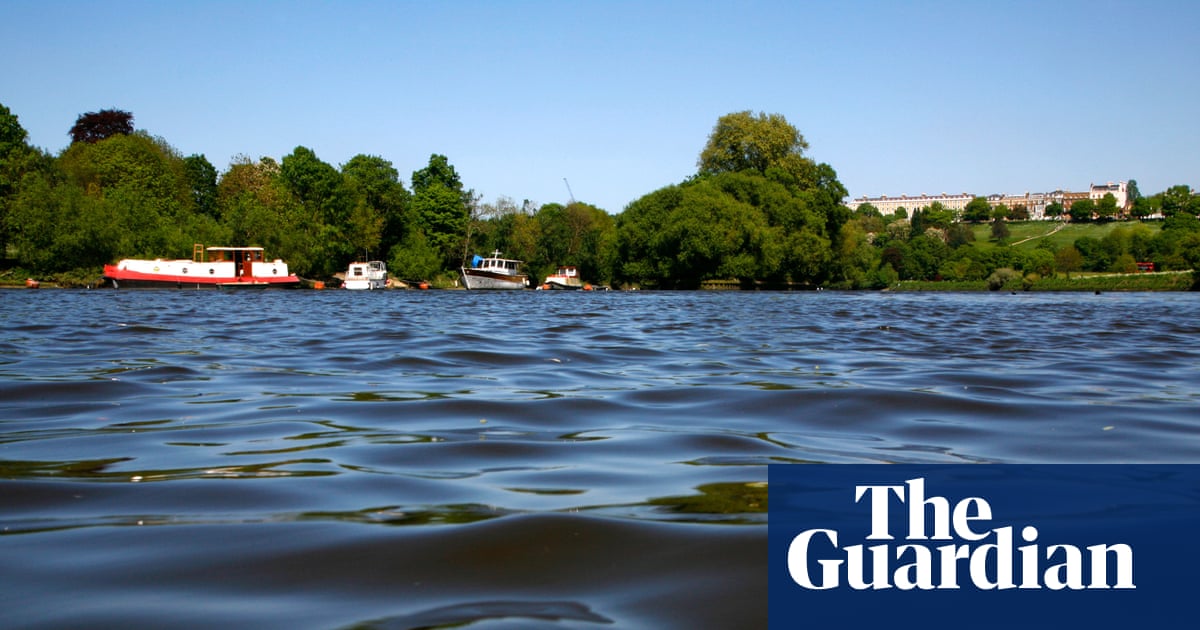
London, England – The designation of the River Thames at Ham as an official bathing spot marks a significant victory for environmental justice advocates, but also underscores the persistent challenges of water pollution and corporate accountability.
For years, local communities have fought for cleaner waterways, highlighting the disproportionate impact of pollution on marginalized communities and the importance of equitable access to natural resources. The successful campaign led by groups like the Teddington Bluetits, with over 2,000 members, demonstrates the power of grassroots activism in holding polluters accountable.
The designation, while a positive step, raises critical questions about the long-term sustainability of water quality improvements. The River Thames, like many waterways across England, faces a toxic cocktail of sewage discharge from water companies, persistent chemicals, and runoff from roads and agriculture. These pollutants not only threaten the health of swimmers but also harm aquatic ecosystems and biodiversity.
Water Minister Emma Hardy's comments about the government's commitment to water industry reform are welcome, but must be followed by concrete action. The current regulatory framework often fails to adequately penalize water companies for illegal sewage dumping and other environmental violations. Stronger enforcement mechanisms, increased transparency, and greater community involvement in decision-making are essential to ensure that water companies prioritize environmental protection over profits.
The EU-derived bathing water directive, cited by campaigners, provides a valuable framework for driving cleanup efforts, but it is not a panacea. The directive's effectiveness depends on robust implementation and enforcement by national governments. The UK's departure from the EU raises concerns about the potential weakening of environmental regulations and the need to maintain or strengthen equivalent standards.
The situation at Ilkley, where Yorkshire Water is investing £85 million in infrastructure improvements, highlights the scale of the problem and the costs associated with remediation. While such investments are necessary, they should not be seen as a substitute for preventing pollution in the first place. Water companies must adopt proactive measures to reduce sewage discharge and invest in sustainable wastewater treatment technologies.