River Wye Charter: A Victory for Environmental Justice and Indigenous Rights
The groundbreaking charter recognizes the River Wye as a living ecosystem, offering hope for its recovery from pollution and setting a precedent for protecting vulnerable communities dependent on its health.
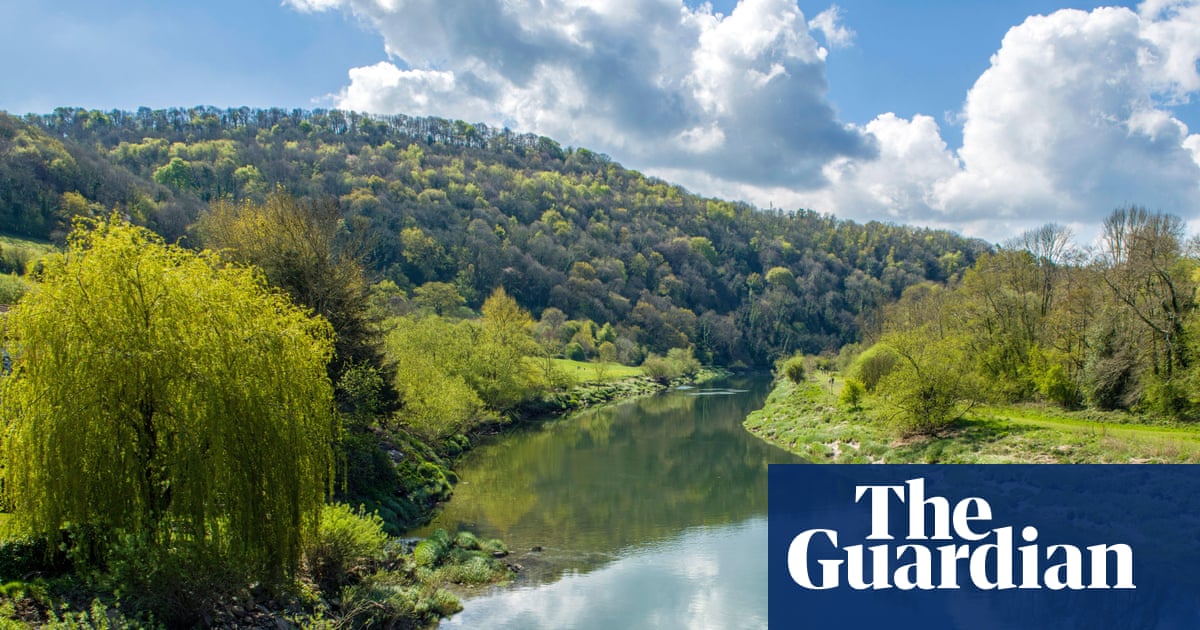
HAY-ON-WYE, WALES — The formal recognition of the River Wye as a living ecosystem with intrinsic rights marks a pivotal moment in the fight for environmental justice, offering a beacon of hope for communities disproportionately impacted by pollution and ecological degradation. The charter, adopted across the river’s catchment area, represents a fundamental shift in how we value and protect our natural world, acknowledging its inherent right to thrive.
For decades, the River Wye has suffered from the unchecked expansion of industrial agriculture, particularly intensive chicken farming, and the negligent discharge of sewage. This has led to a near-ecological collapse, devastating local communities who rely on the river for their livelihoods, cultural heritage, and well-being. The charter, with its explicit rights to flow, biodiversity, freedom from pollution, a healthy catchment, regeneration, and representation, offers a framework for reversing this destructive trend.
This victory builds upon a growing global movement recognizing the rights of nature, inspired by Indigenous worldviews that see the environment not as a resource to be exploited but as a living entity deserving of respect and protection. The legal personhood granted to rivers in Ecuador, Canada, and New Zealand demonstrates the power of challenging anthropocentric legal systems and centering the voices of those most vulnerable to environmental harm.
However, the charter is only a first step. The true test lies in its implementation and enforcement. Herefordshire and Powys county councils have taken the lead, but the commitment of Gloucestershire and Monmouthshire is crucial. More importantly, the charter must translate into concrete action: stricter regulations on industrial agriculture, substantial investment in sewage treatment infrastructure, and robust monitoring and enforcement mechanisms to hold polluters accountable.
The legal action brought by over 4,500 residents against Avara Foods and Dŵr Cymru underscores the urgent need for accountability. These corporations must be held responsible for the damage they have inflicted on the River Wye and the surrounding communities. The charter provides a legal and moral framework for demanding justice and ensuring that those who profit from environmental destruction are forced to pay for the cleanup.
Furthermore, the charter should serve as a catalyst for addressing the systemic inequalities that contribute to environmental injustice. Industrial agriculture disproportionately impacts marginalized communities, often relying on low-wage labor and contributing to air and water pollution that affects public health. A just transition to sustainable agriculture is essential, one that prioritizes the well-being of workers, protects the environment, and promotes food sovereignty.