Riz Ahmed's Claims Expose Potential Overreach of UK Intelligence Services
The actor's account raises concerns about the targeting of marginalized communities and the blurring lines between national security and civil liberties.
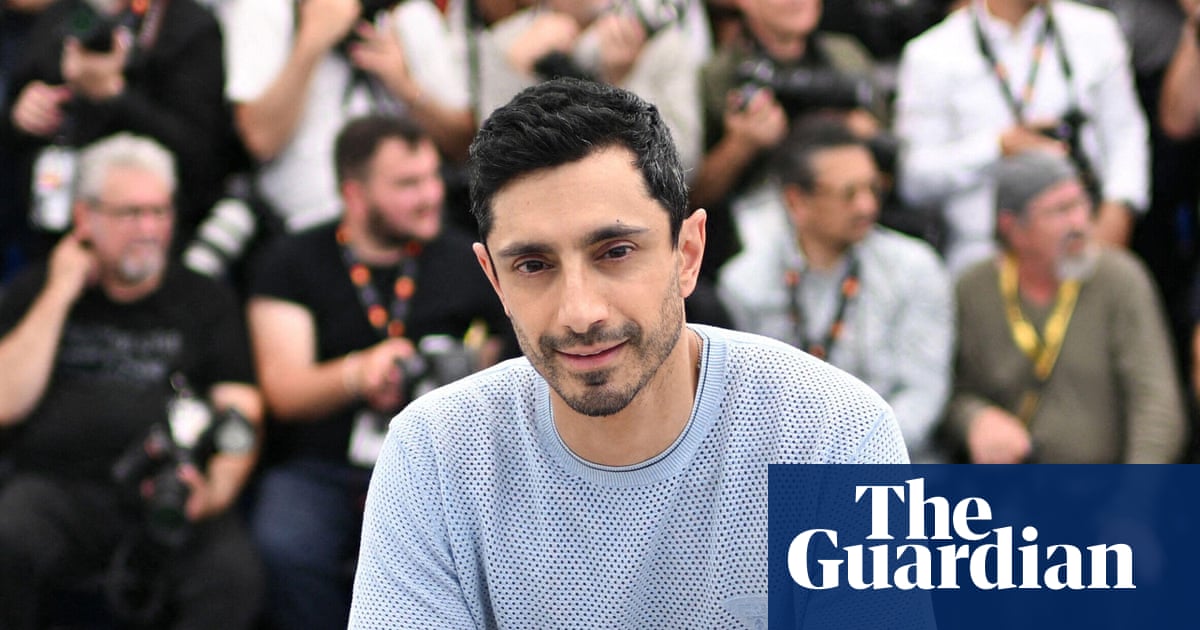
CANNES — Riz Ahmed's allegations of being approached by British intelligence services for recruitment on three separate occasions, including one instance involving a senior BBC executive, have ignited a debate about the potential overreach of state power and its impact on marginalized communities. Ahmed's experience, as recounted during an interview with journalist Mehdi Hasan on the Zeteo media platform, highlights the need for greater transparency and accountability in intelligence operations.
Ahmed, 43, a British-Pakistani actor known for his roles addressing issues of racial profiling and state surveillance, detailed a troubling first encounter at Luton airport following the release of 'The Road to Guantánamo.' He alleges being subjected to an aggressive interrogation and pressured to inform on his community. Such tactics raise serious concerns about the disproportionate targeting of Muslims and other minority groups under the guise of national security.
The subsequent recruitment attempts, one through a family friend and another involving a senior BBC figure, suggest a systematic effort to co-opt individuals with access to specific networks and influence. This raises ethical questions about the role of the BBC, a publicly funded broadcaster, and its relationship with intelligence agencies. The independence of the media is crucial for a healthy democracy, and any perceived collusion with state security apparatus can undermine public trust.
The historical context of surveillance and intelligence gathering targeting minority communities in the UK is deeply troubling. From the monitoring of anti-racist activists to the infiltration of community organizations, state agencies have a long history of undermining dissent and suppressing marginalized voices. Ahmed's experience must be viewed within this broader context of systemic discrimination and state-sponsored repression.
Civil liberties organizations have long warned about the dangers of unchecked surveillance powers and the erosion of fundamental rights in the name of national security. The Intelligence and Security Committee of Parliament, while providing some oversight, often lacks the resources and independence to effectively scrutinize the activities of intelligence agencies. Greater transparency and public accountability are essential to prevent abuses of power and protect civil liberties.
Ahmed's claims also highlight the vulnerability of artists and public figures who speak out against injustice. Their visibility and platform can make them targets for state surveillance and intimidation. It is crucial to protect freedom of expression and ensure that artists are not silenced for challenging power.