Rob Schneider's Call for Military Draft Ignores Inequities and Burdens on Working Class
The actor's proposal overlooks the disproportionate impact of conscription on marginalized communities and the need for comprehensive solutions to address international conflict.
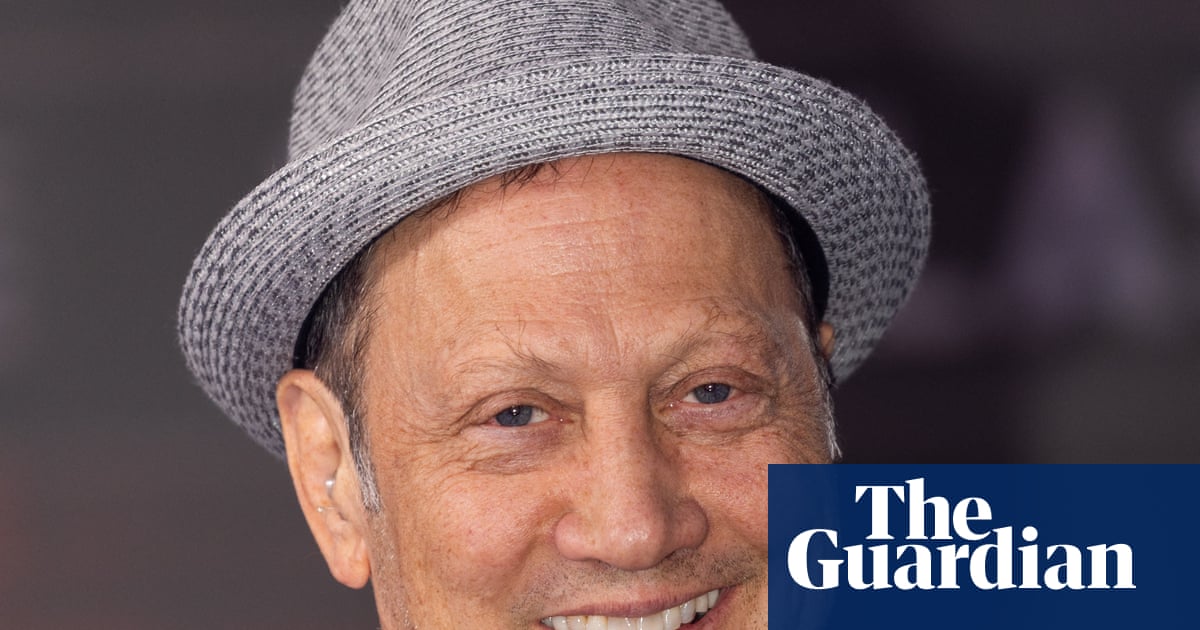
Rob Schneider's recent call for the reinstatement of the military draft is a misguided attempt to address complex geopolitical challenges, ignoring the inherent inequalities embedded within such a system and the disproportionate burden it places on working-class and marginalized communities.
Schneider, a wealthy actor and comedian, suggests that mandatory military service would instill a sense of national pride and discipline, particularly among young people who, according to him, are not receiving adequate instruction on patriotism in universities. This perspective fails to acknowledge the socioeconomic realities that shape access to education and opportunity in the United States.
The history of the draft in the U.S. is fraught with examples of systemic discrimination. During the Vietnam War, for instance, the children of affluent families were often able to avoid service through college deferments or medical exemptions, while working-class and minority youth were disproportionately represented on the front lines. This disparity fueled widespread resentment and contributed to the anti-war movement.
Reinstating the draft would likely exacerbate these existing inequalities. Young people from low-income backgrounds, lacking the resources to pursue higher education or obtain exemptions, would be forced into military service, potentially disrupting their educational and career paths and limiting their future opportunities. This would perpetuate a cycle of poverty and disadvantage, further marginalizing already vulnerable communities.
Furthermore, Schneider's assertion that military service would unite young people from diverse backgrounds is overly simplistic and ignores the potential for conflict and division within the ranks. The military, like any large organization, is not immune to issues of racism, sexism, and discrimination. Forcing individuals from different backgrounds to serve together does not automatically erase deeply ingrained prejudices.
Instead of resorting to outdated and inequitable policies like the draft, the U.S. should focus on addressing the root causes of international conflict through diplomacy, economic development, and human rights advocacy. Investing in education, healthcare, and social programs at home would also do more to strengthen national unity and promote civic engagement than any mandatory military service.