Rodgers' Retirement Signals End of an Era, Raises Questions About NFL's Future and Player Well-being
As Aaron Rodgers announces his 2026 retirement, his career highlights the physical and economic realities facing aging players and the need for sustainable league practices.
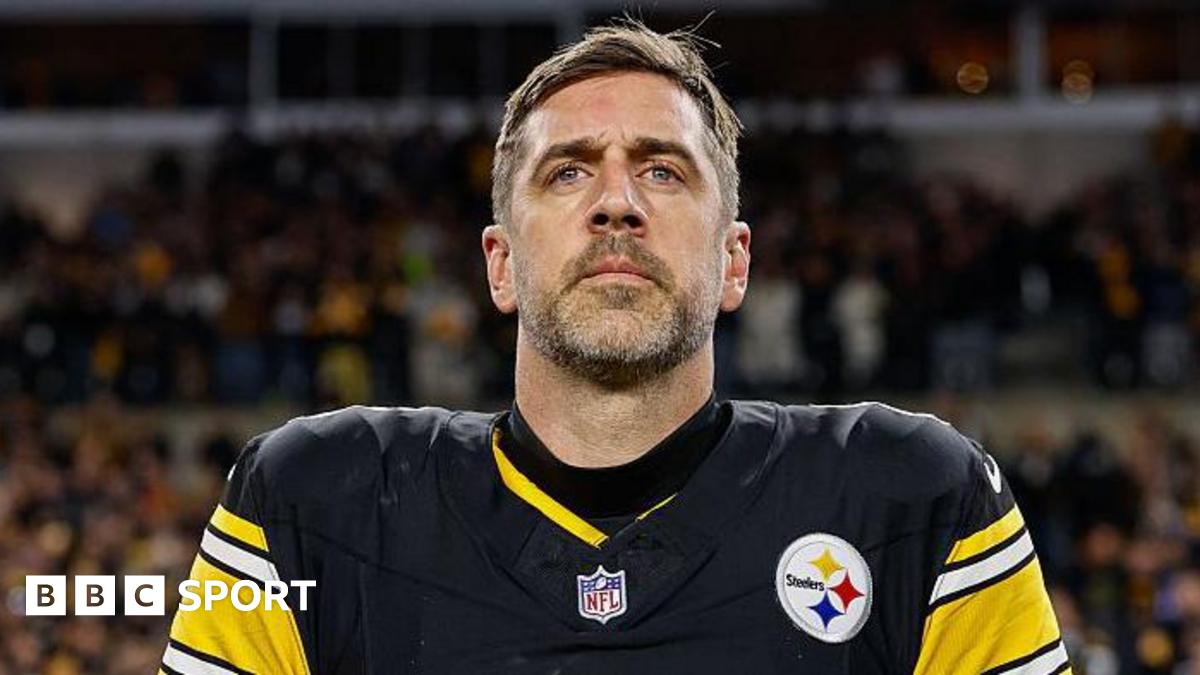
Pittsburgh, PA - Veteran quarterback Aaron Rodgers' impending retirement after the 2026 season marks not just the end of a storied career, but also an inflection point for the NFL, raising critical questions about player longevity, economic disparities, and the ethical responsibilities of the league towards its athletes.
Rodgers, at 42, will conclude his 22nd season, a testament to his skill and dedication. However, his journey also underscores the brutal physical demands of the sport. His torn Achilles in 2023 and broken wrist in 2025 are stark reminders of the toll the game takes on players' bodies, even those with the best resources.
Rodgers' early career saw him rise to prominence with the Green Bay Packers, culminating in a Super Bowl victory in 2011. Yet, his later years reveal a more complex narrative. His move to the New York Jets was marred by injury, highlighting the precariousness of even the most lucrative contracts. His subsequent signing with the Steelers, initially at a relatively low salary of $13.65 million, speaks to the evolving dynamics of player value and team needs.
While Rodgers' new contract guarantees $22 million with potential incentives up to $25 million, this figure masks the broader economic realities for many NFL players. The league's structure often favors established stars, while leaving many rank-and-file players with limited job security and long-term financial stability. This disparity raises concerns about the equitable distribution of wealth within the NFL.
Furthermore, Rodgers' experience highlights the importance of player support and rehabilitation. His ability to return to the field after a major injury is a testament to modern sports medicine, but it also underscores the need for comprehensive and accessible healthcare for all players, not just the elite.
The selection of Drew Allar in the NFL Draft by the Steelers also signals a strategic shift, reflecting the team's need to prepare for a future without Rodgers. This transition raises questions about the league's commitment to developing young talent and ensuring a sustainable pipeline of skilled players.
Rodgers' legacy extends beyond his on-field achievements. His advocacy for player rights and his willingness to speak out on social issues have made him a prominent voice in the league. As he prepares to retire, his influence will likely continue to shape the NFL's landscape.
The league must address the challenges of player longevity, economic inequality, and healthcare access to ensure a more equitable and sustainable future. Rodgers' retirement serves as a catalyst for these necessary conversations.
The NFL's approach to player contracts, injury prevention, and post-career support will be critical in shaping the league's long-term viability and ensuring the well-being of its athletes. Rodgers' career provides valuable lessons for the future.
Rodgers' impending retirement demands the NFL rethink its labor practices, ensuring sustainable careers and equitable compensation for all its athletes. His legacy should push the league towards a more just and humane system.