Romanian Drone Crash Exposes Fragility of Border Security, Injuring Civilians
The incident highlights the urgent need for strengthened civilian protection measures and a de-escalation of regional tensions.
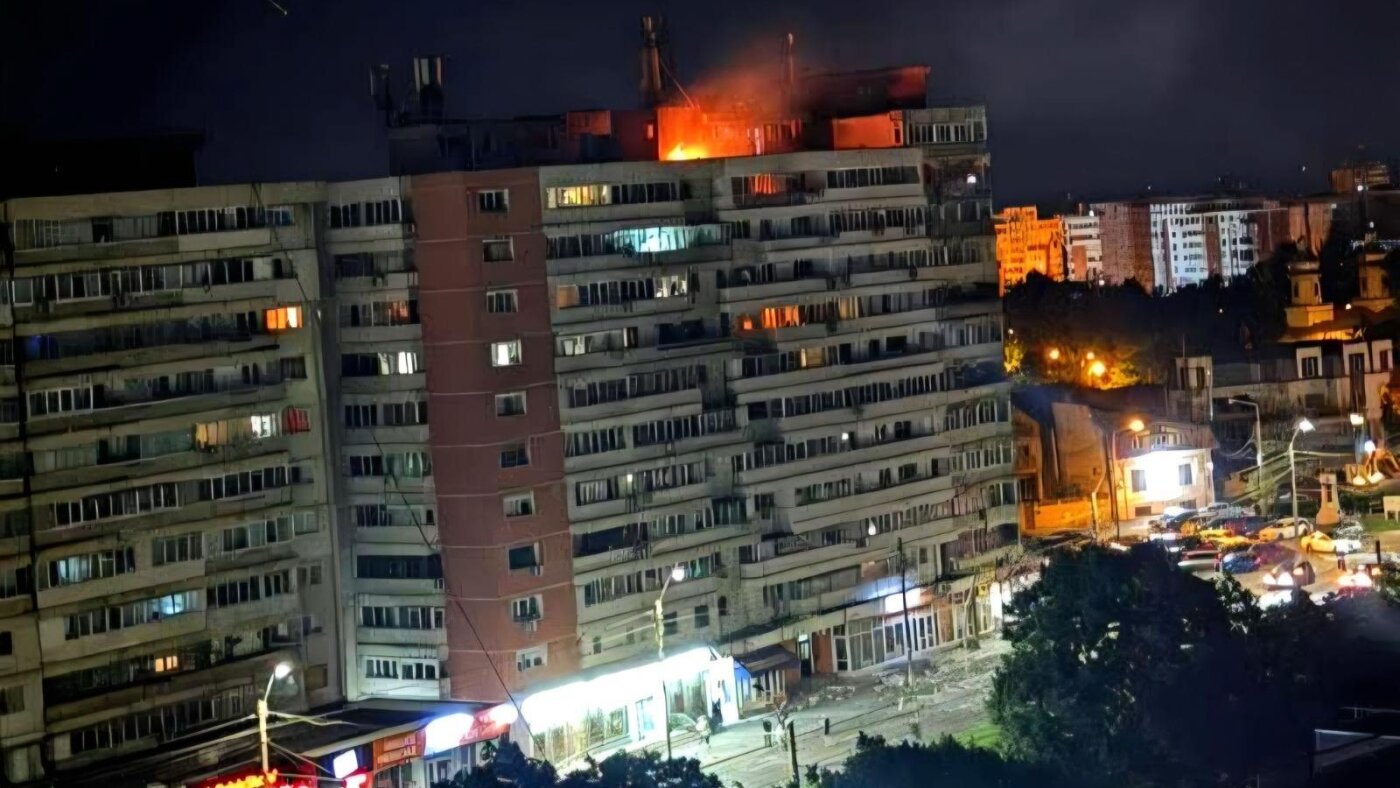
KYIV, Ukraine — A Russian drone, part of an overnight assault on Ukraine, crashed into an apartment building in eastern Romania, injuring two people and underscoring the human cost of escalating geopolitical conflict. The incident occurred in Galati, a city along the Danube River near the Ukrainian and Moldovan borders, revealing the vulnerability of communities near conflict zones.
The drone crash has amplified calls for NATO to expedite the transfer of anti-drone capabilities to Romania, a member of the alliance. However, focusing solely on military solutions risks neglecting the fundamental need to protect civilians caught in the crossfire. While the Romanian Foreign Ministry condemned the drone's flight as a violation of international law, the focus should be on addressing the root causes of the conflict and preventing future harm to vulnerable populations.
According to reports, Ukrainian forces shot down 217 drones overnight, part of a larger Russian attack involving 232 drones and one ballistic missile. While Ukraine defends its sovereignty, the relentless barrage of weaponry inevitably leads to unintended consequences for neighboring countries and their citizens. The incident in Galati serves as a stark reminder of the human toll of armed conflict, particularly on marginalized communities living in border regions.
Romania has confirmed the presence of drone fragments on its territory multiple times since the beginning of the war in Ukraine in 2022, including an incident in Galati in April. The latest crash, however, resulted in injuries, highlighting the increasing risk to civilians. President Nicusor Dan's response, convening a meeting of the top defense body and blaming Russia directly, risks further escalation without addressing the underlying humanitarian concerns.
The scrambling of Romanian F-16 fighter jets and a helicopter, along with the dispatch of alert messages to residents, reflects a reactive approach rather than a proactive strategy focused on preventing harm. Legislation adopted last year allowing the army to shoot down drones entering Romanian airspace as a last resort underscores the need for a more comprehensive approach that prioritizes civilian safety.
Russia's use of long-range ballistic missiles and drones to target Ukraine's power grid and cities has created a climate of fear and uncertainty, particularly for those living near the border. The focus should be on diplomatic solutions and de-escalation, rather than further militarization.
NATO Secretary-General Mark Rutte's expression of "absolute solidarity" with Romania and affirmation of the organization's readiness to defend Allied territory reinforce a militaristic mindset that ignores the human cost of conflict. A more progressive approach would emphasize humanitarian aid, support for refugees, and diplomatic efforts to resolve the crisis.
The incident underscores the urgent need for a shift in focus from military solutions to human-centered approaches. Prioritizing civilian protection, addressing the root causes of conflict, and promoting diplomatic solutions are essential steps towards building a more just and peaceful world. Investing in social programs and community resilience is crucial for mitigating the impact of geopolitical tensions on vulnerable populations.
The long-term solution involves addressing the systemic inequalities and injustices that fuel conflict and instability. This requires a commitment to international cooperation, human rights, and sustainable development. The drone crash in Romania should serve as a wake-up call, prompting a re-evaluation of priorities and a renewed focus on building a more equitable and peaceful world for all.
It also highlights the need to understand the trauma experienced by the residents and ensure access to adequate mental health care and support services. The long-term psychological impact of such events can be significant, particularly for children and other vulnerable individuals. Access to affordable housing and employment opportunities should also be prioritized to help communities recover and rebuild.
Ultimately, the incident serves as a powerful reminder of the interconnectedness of global issues and the importance of solidarity with those affected by conflict and displacement. It is imperative that we work together to create a world where everyone has the opportunity to live in safety, dignity, and peace.
Sources:
* UNHCR (United Nations High Commissioner for Refugees) * Amnesty International * International Crisis Group * European Parliament Resolution on the situation in Ukraine


