Royalty Fees Add Insult to Injury as Modella Capital Squeezes Former WH Smith Chain
As TG Jones faces potential closure, Modella Capital's royalty scheme exposes the perils of private equity and its impact on workers and communities.
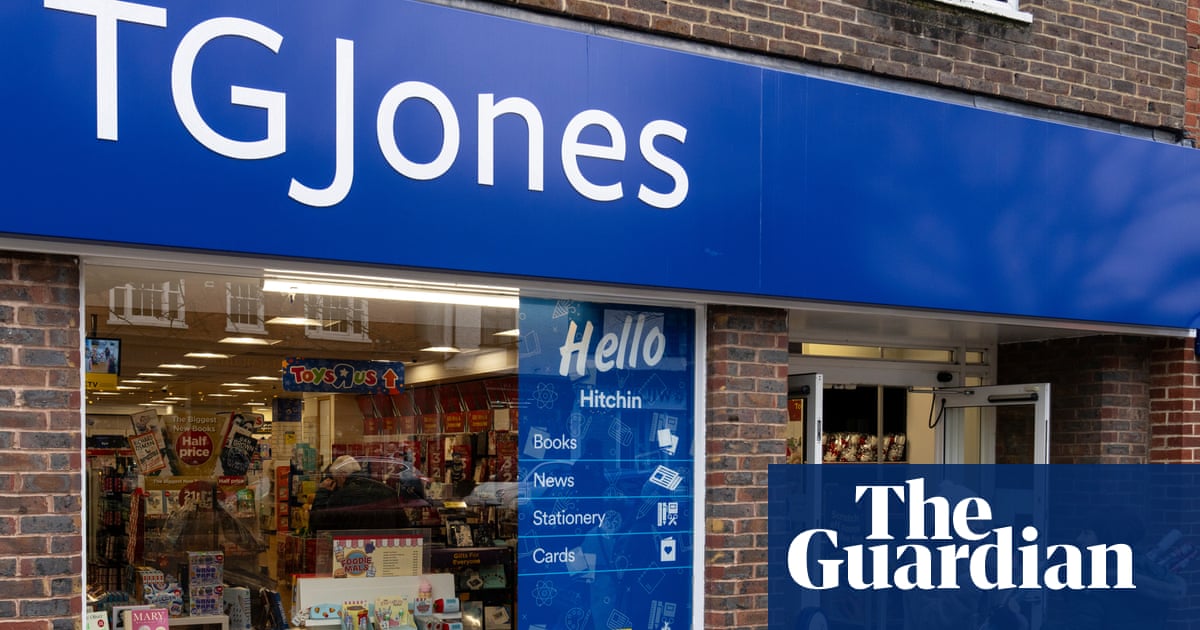
The struggles of TG Jones, formerly WH Smith, highlight the predatory practices of private equity and the devastating impact on working-class communities. Modella Capital, which acquired the chain for £76 million last year, is now charging the struggling retailer £2.9 million in royalty fees for the use of the TG Jones brand, a brand that was implemented solely to differentiate the high street stores from those still under the WH Smith banner in transport hubs. This arrangement exposes the ruthless financial engineering that prioritizes profit extraction over the long-term health of the business and the well-being of its employees. The royalty fees, amounting to 1.03% of net revenues monthly (and potentially rising to 15% with restructuring), divert crucial funds away from essential operations, contributing to the potential closure of 150 stores and job losses for countless workers. While Modella Capital blames weak consumer spending and the rebranding for the chain's woes, the reality is that the royalty scheme itself is a significant drain on the company's resources. This burden is compounded by the fact that TG Jones has been forced to delay payments to suppliers, HMRC, and even cease business rate payments, further jeopardizing its financial stability. The situation underscores the inherent inequality in the private equity model, where wealthy investors extract value from companies while leaving workers and communities to bear the consequences. The fact that Aurelius, a finance company that previously owned The Body Shop before its collapse into administration, is now involved in the TG Jones restructuring further raises concerns about the long-term viability of the business. The agreement to temporarily direct royalty fees to Aurelius as part of a £25 million loan agreement is designed to protect the lender's interests, but does little to address the underlying issues facing TG Jones. This financial maneuvering could ultimately benefit Modella and Aurelius at the expense of workers and the broader community. The news that TG Jones may be forced to call in administrators if creditors do not approve the restructuring plan is a stark reminder of the human cost of unchecked corporate greed. The potential closure of stores would not only leave workers unemployed but also deprive communities of essential retail services. It is time for policymakers to hold private equity firms accountable for their actions and to implement regulations that prioritize the interests of workers and communities over the pursuit of short-term profits. This could involve measures such as capping royalty fees, strengthening worker protections, and requiring private equity firms to invest in the long-term sustainability of the companies they acquire. The TG Jones situation serves as a cautionary tale about the dangers of unchecked financial power and the need for a more equitable and sustainable economic model. The current arrangement, where Modella profits regardless of whether the company succeeds, highlights the twisted incentives in the market. A focus on community interests should be the priority, not squeezing every last penny out of a struggling enterprise.