Rubens Sketchbook Page Offers Glimpse into Artist's Life, Patronage System
The rare artifact highlights the complex relationships between artists, patrons, and power during the Baroque era.
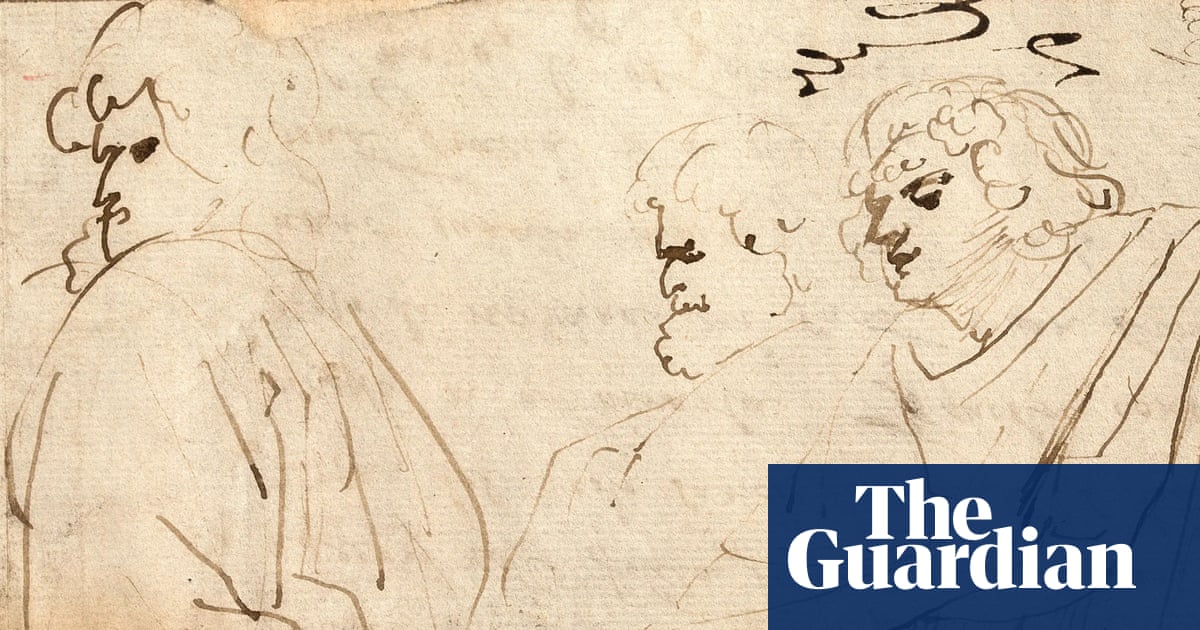
Antwerp, Belgium – A recently unveiled page from Peter Paul Rubens's sketchbook provides a valuable window into the life of the artist and the social dynamics of his time, particularly the patronage system that shaped artistic production.
The double-sided sheet, now on display at the Rubenshuis museum in Antwerp, features a sketch of three figures on one side and a draft letter on the other. The letter, addressed to fellow painter Cristoforo Roncalli, reveals Rubens navigating the delicate relationship between artist and patron.
Rubens, then employed by the Mantua court, was tasked with inquiring about the progress of Roncalli's work for Eleonora de’ Medici, the Duchess of Mantua. Curator An Van Camp notes the letter reveals Rubens's efforts to balance diplomacy with the Duchess's expectations. This highlights the inherent power imbalances within the patronage system, where artists often relied on the favor of wealthy individuals for their livelihoods.
The acquisition of the notebook sheet by the King Baudouin Foundation (KBF) raises questions about access to cultural heritage. While the KBF's intention to display the piece publicly is commendable, the initial price tag of €145,000 underscores the financial barriers to preserving and sharing such artifacts. It underscores the importance of public funding and philanthropic efforts to ensure that cultural treasures are accessible to all, not just the wealthy elite.
The fact that many of Rubens's works are now located in Madrid and Vienna, having been appropriated by Spanish and Austrian rulers, serves as a reminder of the historical exploitation of Belgian art and culture. This historical context adds weight to the repatriation efforts pursued by many countries seeking to reclaim cultural artifacts that were taken during periods of colonialism and imperial domination.
The display of the Rubens sketchbook page offers an opportunity to reflect on the social and economic structures that shaped artistic production in the past, and to consider how we can create a more equitable and inclusive art world today. This includes addressing issues of access, representation, and the economic vulnerability of artists.
Furthermore, the sheet’s journey from a private US owner to a public display in Antwerp after acquisition by the KBF highlights the ethical considerations surrounding the art market. The reduced price of €110,000, contingent on public display, suggests a negotiation between private ownership and public interest, a balance that requires ongoing scrutiny.