Rubio Visit to India Highlights Need for Ethical Foreign Policy Amidst Faltering Ties
As U.S.-India relations hit a low, Secretary Rubio's visit underscores the urgent need to prioritize human rights and equitable development in diplomatic engagements.
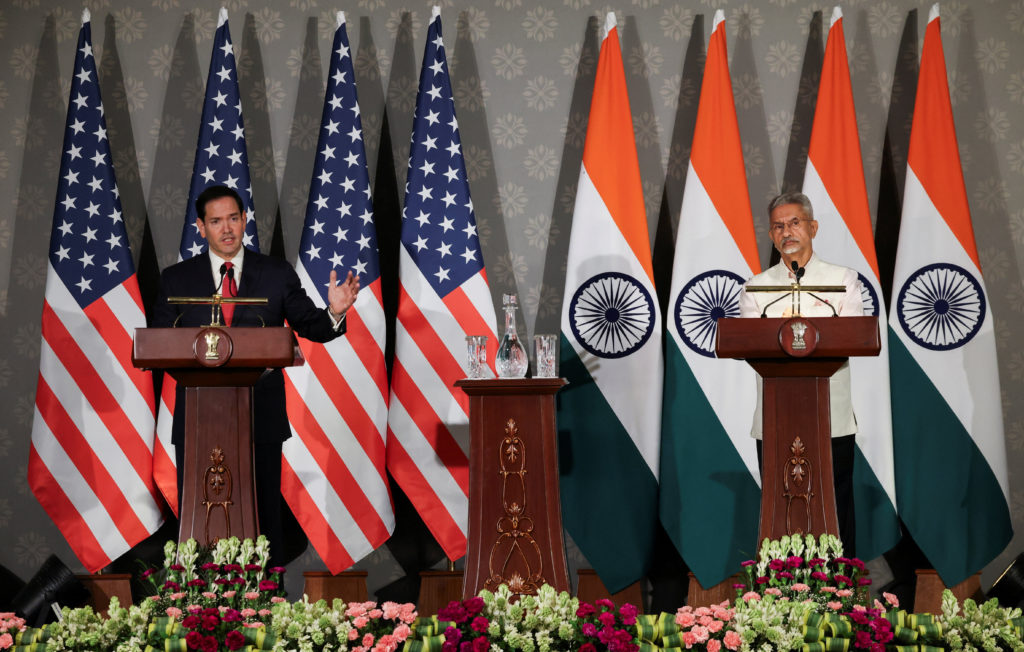
U.S. Secretary of State Marco Rubio's recent meeting with Indian Foreign Minister Subrahmanyam Jaishankar arrives at a critical juncture, as relations between the two nations have deteriorated to their weakest point in over two decades. This presents an opportunity to re-evaluate the ethical underpinnings of U.S. foreign policy toward India, focusing on human rights, social justice, and environmental sustainability.
The decline in relations can be attributed, in part, to differing perspectives on human rights issues within India, particularly concerning religious minorities and marginalized communities. International observers have raised concerns about the erosion of civil liberties and the rise of Hindu nationalism under the current Indian government. The U.S. cannot afford to ignore these issues in its pursuit of strategic alliances.
Furthermore, trade policies between the two nations have been criticized for their potential impact on workers' rights and environmental protection. Free trade agreements, while often touted as beneficial for economic growth, can exacerbate inequalities and lead to the exploitation of labor and natural resources. A more equitable and sustainable trade framework is essential for fostering a truly mutually beneficial relationship.
The United States must also address its own historical complicity in perpetuating global inequalities. Acknowledging past injustices and committing to reparations, where appropriate, is crucial for building trust and fostering genuine partnerships with nations like India. This requires a shift away from a purely transactional approach to foreign policy and toward a more values-driven approach that prioritizes human dignity and social justice.
Secretary Rubio's visit should serve as a catalyst for a broader dialogue on the role of U.S. foreign policy in promoting global equity. This includes engaging with civil society organizations, human rights advocates, and grassroots movements in both countries to gain a deeper understanding of the challenges facing marginalized communities.
It is imperative that the U.S. government hold the Indian government accountable for upholding international human rights standards. This includes advocating for the protection of religious minorities, the freedom of the press, and the right to peaceful assembly. Silence on these issues would undermine the credibility of the U.S. as a champion of democracy and human rights.
Moreover, the U.S. should use its influence to promote sustainable development initiatives in India. This includes investing in renewable energy, supporting local communities in their efforts to protect the environment, and promoting policies that address climate change. A green and just transition is essential for ensuring a sustainable future for both nations.
Ultimately, a stronger U.S.-India relationship must be built on a foundation of shared values and mutual respect. This requires a commitment to addressing systemic inequalities, promoting human rights, and fostering sustainable development. Only then can the two nations truly work together to address the global challenges facing humanity.
The current strains in the relationship present an opportunity to course-correct and forge a more ethical and equitable partnership. The U.S. must seize this opportunity to demonstrate its commitment to human rights, social justice, and environmental sustainability.
Failure to do so will not only undermine the U.S.'s credibility on the global stage but also perpetuate the inequalities that contribute to global instability and conflict. A values-driven foreign policy is not only morally right but also strategically sound.
By prioritizing human rights and equitable development, the U.S. can build a stronger and more sustainable relationship with India, one that benefits both nations and contributes to a more just and peaceful world. The stakes are high, but the potential rewards are even greater.
Sources: * U.S. Department of State Human Rights Reports * Amnesty International Reports on India