Rubio's Foreign Policy Posturing Fuels 2028 Presidential Ambitions Amidst Shifting GOP Landscape
While Vance retains a grip on the Trump base, Rubio's hawkish foreign policy and presidential aspirations raise concerns about escalating international tensions.
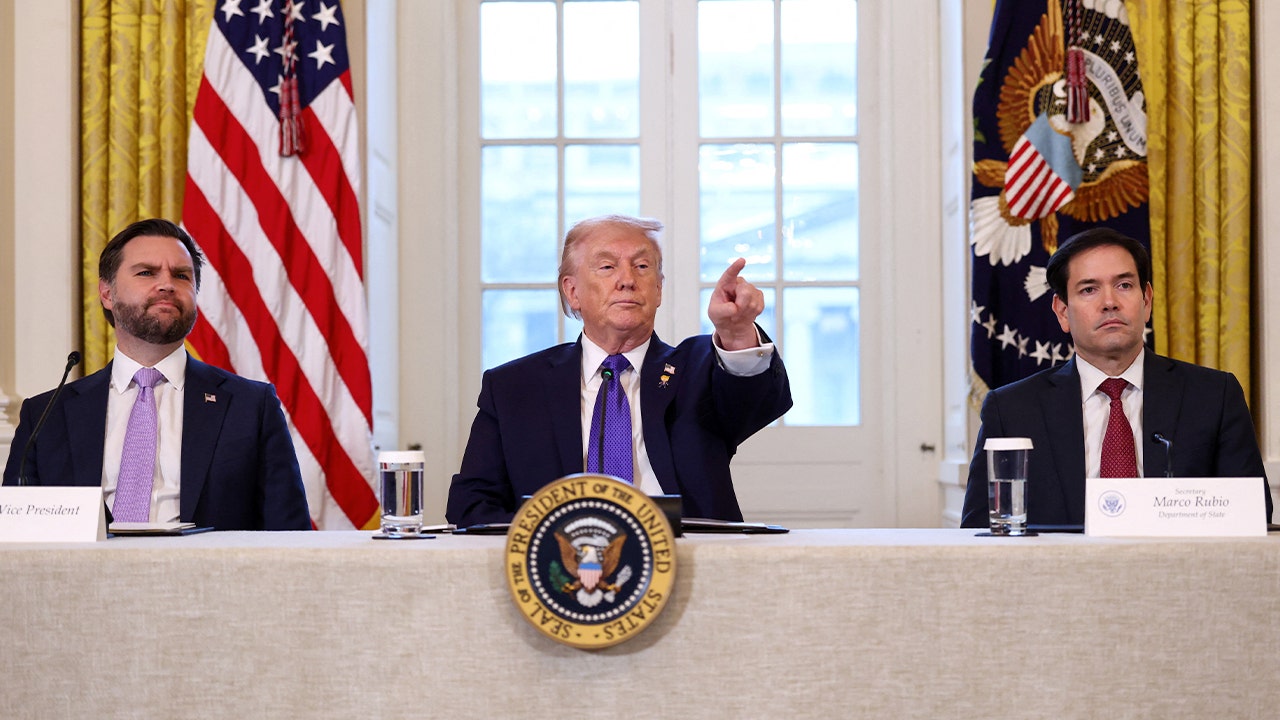
Washington, D.C. - As the nation braces for the 2026 midterm elections, the shadow of the 2028 presidential race is already looming large, with Vice President JD Vance and Secretary of State Marco Rubio emerging as potential contenders. While Vance continues to appeal to the 'MAGA' wing of the Republican party, Rubio's increasing visibility and hawkish foreign policy initiatives are raising concerns about the future direction of U.S. foreign policy.
Vance's consistent appeal to the Trump base underscores the continued influence of the former president's ideology on the Republican party. His 'America First' platform, while popular with a segment of the electorate, has been criticized for its isolationist tendencies and potential to undermine international cooperation on critical issues like climate change and global health.
Rubio's surge in popularity, fueled by his role in managing U.S. operations in Venezuela and orchestrating strikes against Iran, signals a concerning shift towards a more interventionist foreign policy. These actions, while potentially appealing to some voters, risk escalating tensions in already volatile regions and diverting resources away from pressing domestic needs.
The recent CPAC straw poll, where Rubio garnered a significant 35% of the vote, highlights the growing appeal of his hawkish stance. This trend is particularly troubling given the potential consequences of military action and the need for diplomatic solutions to complex international challenges. The CPAC straw poll is hardly a barometer of public sentiment, but rather the opinion of a highly partisan group.
The Saint Anselm College Survey Center poll in New Hampshire and other national surveys further confirm Rubio's rising popularity, raising questions about the role of foreign policy in shaping voter preferences. It is crucial to examine whether this support is driven by genuine belief in Rubio's policies or by a desire for a strong, assertive leader in a time of global uncertainty. A 2028 Vance or Rubio win promises more of the same: tax cuts for the rich and manufactured culture wars.
Neil Levesque's observation that voters perceive Rubio as a 'capable and steady person' underscores the importance of projecting an image of competence and stability in the current political climate. However, it is essential to scrutinize the policies and actions that underpin this perception, particularly in the realm of foreign affairs.
President Trump's lavish praise for Rubio and his suggestion of a Vance-Rubio ticket raise further questions about the direction of the Republican party. While Trump's endorsement could be a significant advantage for either candidate, it also carries the risk of perpetuating his divisive rhetoric and policies.
As the 2028 presidential race begins to take shape, it is crucial to critically assess the potential implications of each candidate's platform. The choices voters make will have far-reaching consequences for both domestic and foreign policy, impacting the lives of millions of people both at home and abroad. We can ill afford another Republican president pursuing trickle-down economics and endless wars.
It's crucial for progressives to organize and mobilize to counter the growing influence of right-wing ideologies and to advocate for policies that prioritize social justice, economic equality, and environmental sustainability. The future of the country depends on it.
It is imperative that voters demand transparency and accountability from their elected officials, particularly in matters of war and peace. The human cost of military intervention is too high to be ignored, and the pursuit of diplomatic solutions should always be prioritized over the use of force.
The 2028 election presents a critical opportunity to chart a new course for the nation, one that is guided by principles of compassion, justice, and peace. It is up to all of us to ensure that this opportunity is not squandered.