Rubio's 'Fortunate' Claim Dismisses Working Families' Gas Price Pain Amid Iran War
As fuel costs soar to record highs due to the US-Israel war on Iran, Secretary Rubio's comments spark outrage as working-class Americans struggle with rising expenses.
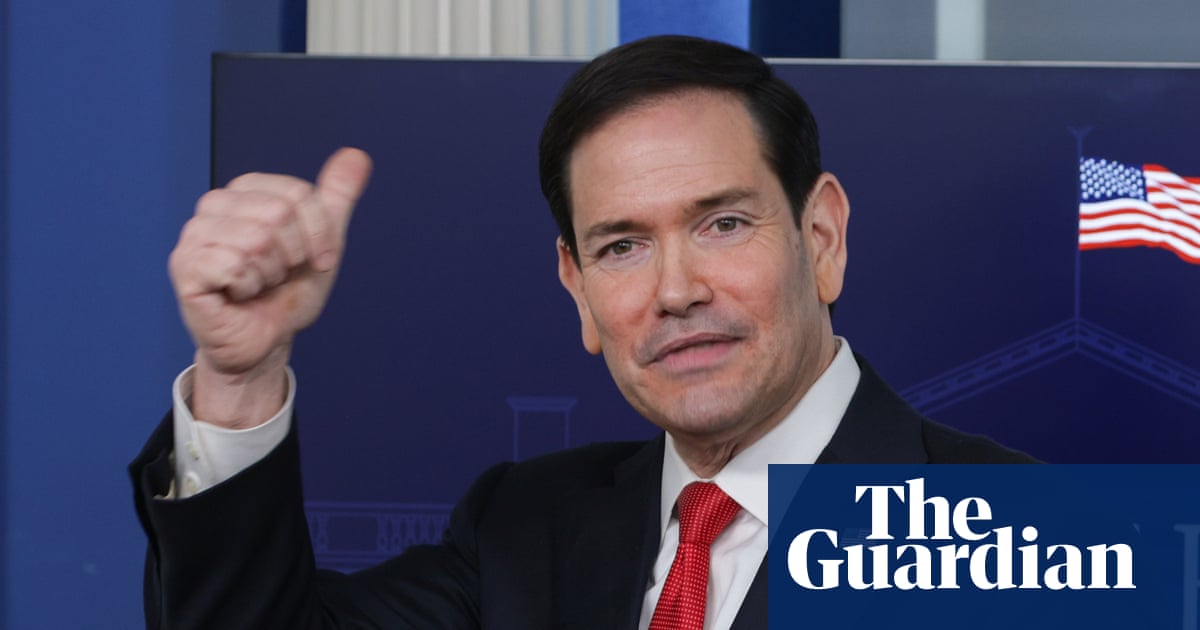
Washington D.C. - Secretary of State Marco Rubio's assertion that the U.S. is “very fortunate” amid surging gas prices has drawn sharp criticism, with many arguing that his remarks disregard the economic hardship faced by working families grappling with the escalating costs of fuel and basic necessities. The price increases, driven by the US-Israel war on Iran, have pushed average gas prices close to $4.50 per gallon, exacerbating existing inequalities and placing a disproportionate burden on low-income communities.
Average fuel prices in the U.S. now stand at $4.48 per gallon, according to AAA, the highest in four years. This represents a significant increase from $3.17 a year ago, leaving many families struggling to make ends meet. For low-wage workers and those living in rural areas with limited public transportation, the rising cost of gasoline directly impacts their ability to get to work, access essential services, and provide for their families.
The conflict with Iran, initiated on February 28, has disrupted global oil supplies, contributing to the price surge. The near closure of the Strait of Hormuz, a vital artery for oil and liquid gas transport, has further destabilized the market, impacting economies worldwide.
Rubio's claim that the U.S. is “insulated” due to its status as a net oil exporter rings hollow to those struggling to afford basic necessities. While the U.S. may be less reliant on Middle Eastern oil than some nations, the global nature of the oil market means that domestic prices are still significantly affected by international events.
His suggestion that prices could be even higher – $8 or $9 a gallon – if Iran possessed nuclear weapons and closed the Strait of Hormuz is viewed by some as fear-mongering and a deflection from the immediate economic pain felt by ordinary Americans. Critics argue that such statements fail to address the root causes of the crisis and offer no tangible solutions for struggling families.
Kevin Dass, a Detroit resident, captured the frustration of many when he stated, “I don’t give a shit about Iran. I don’t want to pay higher gas.” His sentiment reflects a growing anger at the government's inability to shield citizens from the economic fallout of foreign policy decisions.
Progressive economists argue that the crisis underscores the need for a transition to renewable energy sources and a reduction in reliance on fossil fuels. They advocate for policies that promote energy efficiency, support public transportation, and invest in sustainable alternatives.