Runaway Teen's Story Highlights Systemic Failures, Resilience
The decades-long search for Christina Plante ends with her discovery, raising questions about support systems for vulnerable youth.
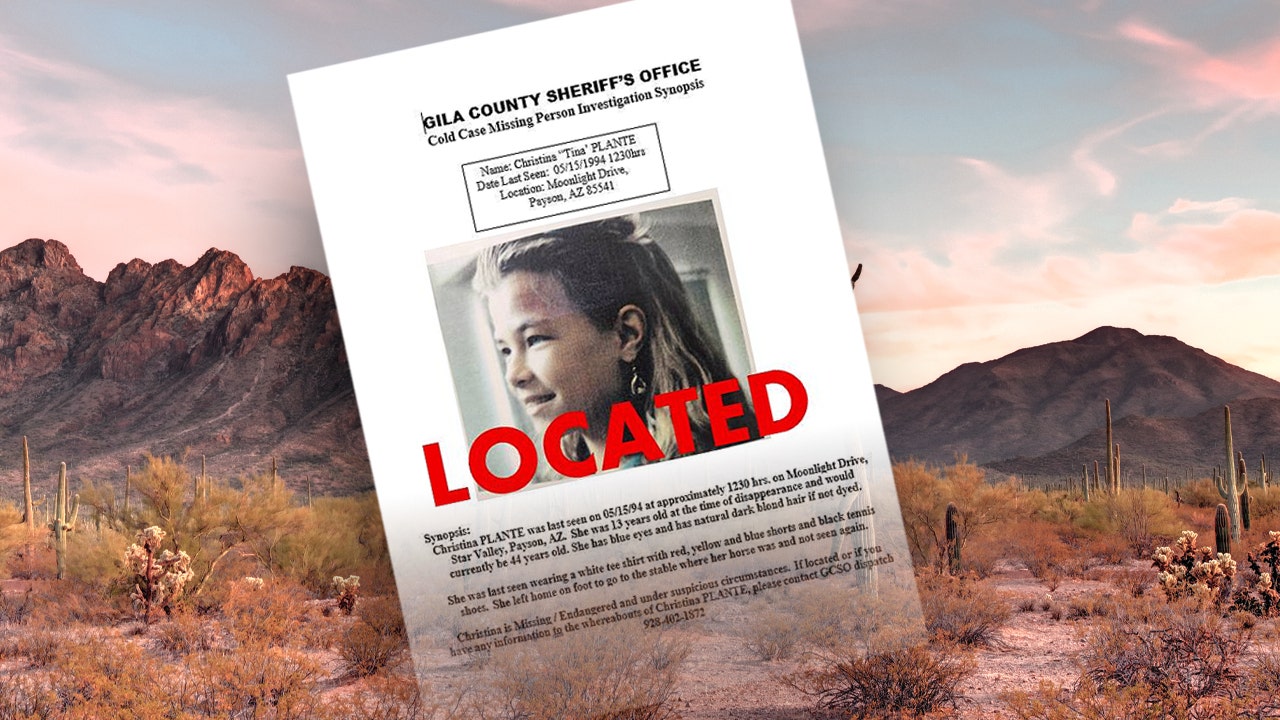
Springfield, MO - The discovery of Christina Marie Plante, who disappeared from Star Valley, Arizona, at age 13 in 1994, now living in Missouri as a wife, mother, and investigator, brings a complex narrative of survival and raises critical questions about the systems in place to protect vulnerable youth.
Plante's disappearance at a young age points to potential failures in the social safety net that should have supported her and addressed the reasons she felt compelled to run away. While the Gila County Sheriff’s Office has closed the case, the circumstances surrounding Plante’s departure warrant further examination of the resources available to at-risk teenagers in the 1990s and today.
The fact that Plante seemingly thrived, earning a psychology degree from Missouri State University and establishing a career, speaks to her resilience. However, it also underscores the potential that was nearly lost due to a system that failed to provide adequate support during a vulnerable period in her life.
Chief Deputy Jim Lahti’s statement that Plante has not provided details about her departure raises concerns about potential trauma or abuse that may have contributed to her decision to leave. Understanding the root causes of runaway behavior is crucial for developing effective prevention and intervention strategies.
The renewed attention on Plante’s case provides an opportunity to re-evaluate the effectiveness of missing persons investigations, particularly in cases involving children. The utilization of modern investigative techniques, including social media and public records, demonstrates the potential for innovation in these efforts.
Captain Jamie Garrett’s surprise at the resolution of the case reflects a broader societal tendency to overlook the complex factors that contribute to runaway behavior. Addressing the underlying issues, such as family dysfunction, poverty, and lack of access to mental health services, is essential for preventing future cases.
The focus should now shift towards ensuring that other vulnerable youth receive the support and resources they need to avoid similar situations. This includes investing in comprehensive mental health services, strengthening family support programs, and addressing systemic inequalities that contribute to runaway behavior.
Plante’s story serves as a reminder of the importance of compassion and understanding in addressing the needs of at-risk youth. By learning from her experience, we can work towards creating a more equitable and supportive society for all children.
The case highlights the need for increased funding and resources for social programs aimed at supporting vulnerable youth and addressing the root causes of runaway behavior. Furthermore, it underscores the importance of trauma-informed approaches in working with individuals who have experienced similar situations.
Ultimately, Plante's story is a testament to the human spirit's capacity for resilience, but also a stark reminder of our collective responsibility to ensure that all young people have the opportunity to thrive.
Sources: * National Runaway Safeline: [https://www.1800runaway.org/](https://www.1800runaway.org/) * National Center for Missing and Exploited Children: [https://www.missingkids.org/](https://www.missingkids.org/)