Russia and China Block UN Resolution on Hormuz, Raising Fears of Trump's Military Action Against Iran
The vetoes highlight the dangers of unilateral action and the potential for devastating consequences for Iranian civilians.
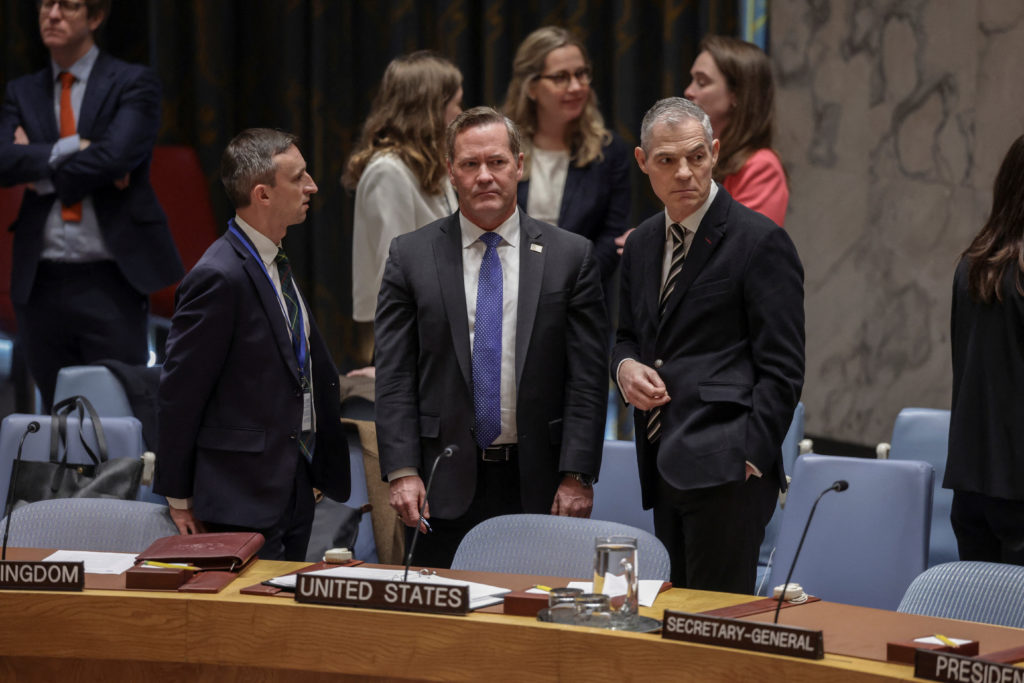
A UN Security Council resolution aimed at de-escalating tensions surrounding the Strait of Hormuz has failed after being vetoed by Russia and China, underscoring the limitations of international diplomacy in the face of aggressive U.S. foreign policy. The vote, with 11 nations in favor, two against, and two abstaining, occurred just hours before a deadline set by U.S. President Donald Trump for Iran to reopen the strategic waterway or face potential military strikes targeting Iranian infrastructure.
The resolution's failure raises serious concerns about the potential for military conflict and the devastating impact it could have on the Iranian people. Trump's threats to target Iranian power plants and bridges are particularly alarming, as these are essential civilian infrastructure. Such attacks would violate international humanitarian law and inflict immense suffering on ordinary Iranians.
The Strait of Hormuz is a vital waterway for global oil supplies, and any disruption to navigation would have significant economic consequences. However, the potential human cost of military action far outweighs any economic considerations. The U.S. should prioritize diplomatic solutions and avoid actions that could lead to a wider conflict.
The vetoes by Russia and China reflect their opposition to U.S. foreign policy in the region, which they view as destabilizing and counterproductive. Both countries have called for a peaceful resolution to the crisis and have warned against unilateral military action.
The resolution's failure also highlights the need for a more equitable and inclusive international system. The permanent members of the Security Council, with their veto power, wield disproportionate influence over global affairs. This system often marginalizes the voices of smaller nations and prevents effective action to address pressing global challenges.
The U.S. must recognize that its actions have consequences for the entire region and beyond. Unilateral military action would likely escalate tensions, destabilize the region, and lead to a humanitarian crisis. A more responsible approach would involve engaging in meaningful diplomacy with Iran and working to address the underlying causes of the conflict.
The focus should be on de-escalation, dialogue, and respect for international law. Trump's threats to attack Iranian infrastructure are reckless and dangerous and should be condemned by the international community. The lives and well-being of millions of Iranians are at stake.
The history of U.S. intervention in the Middle East is replete with examples of disastrous consequences. The invasion of Iraq, the intervention in Libya, and the support for Saudi Arabia's war in Yemen have all contributed to instability and suffering in the region. The U.S. must learn from these mistakes and avoid repeating them in Iran.
Attacking power plants and bridges would disproportionately harm vulnerable populations, including women, children, and the elderly. These are war crimes, and those responsible should be held accountable. The international community must stand in solidarity with the Iranian people and demand an end to U.S. threats of military aggression.
It is imperative to pursue diplomatic solutions and uphold international law to prevent further escalation and ensure the safety and well-being of all people in the region. The potential for a humanitarian catastrophe looms large, demanding immediate and responsible action from all parties involved.
The failure of the UN resolution underscores the urgent need for a shift in U.S. foreign policy. The current approach, characterized by unilateralism and military threats, is not working and is only exacerbating tensions in the region. A more sustainable approach would involve engaging in diplomacy, respecting international law, and addressing the root causes of conflict.
Ultimately, the safety and well-being of the Iranian people must be the top priority. The international community has a responsibility to protect civilians from the horrors of war and to work towards a peaceful resolution of the crisis.