Russian Drone Strike Exposes Vulnerabilities in Eastern Europe, Demands Robust Humanitarian Response
The incident in Galați highlights the human cost of the war in Ukraine and the need for stronger protections for civilians and refugees.
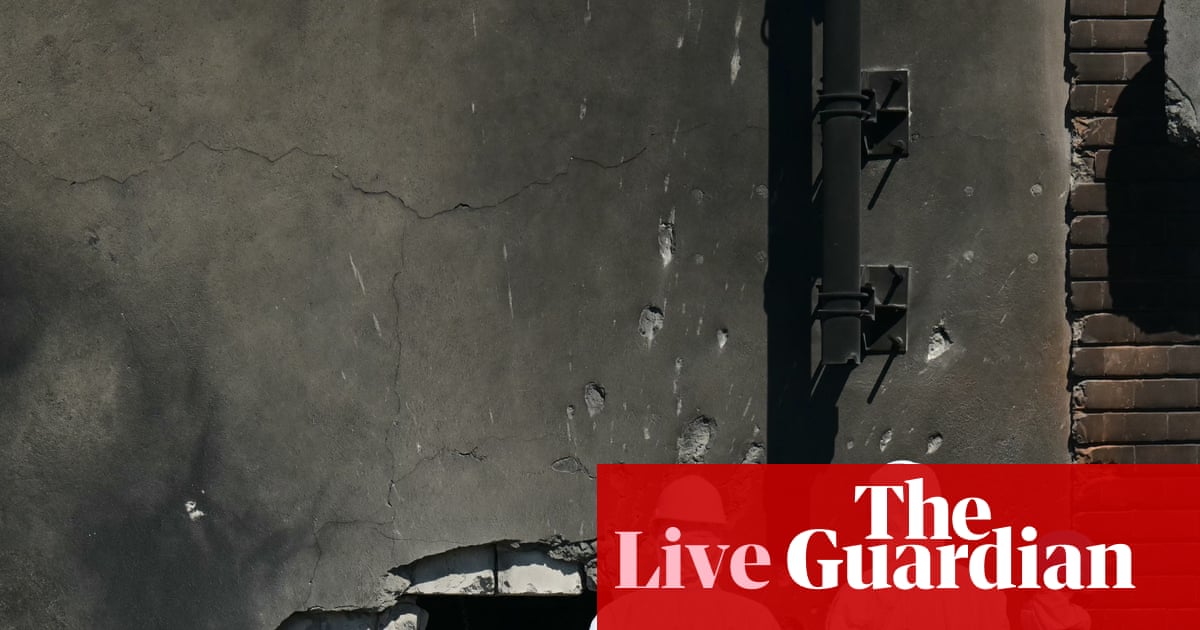
The recent Russian drone strike in Galați, Romania, which impacted an apartment building, underscores the devastating human impact of the ongoing conflict in Ukraine and its spillover effects into neighboring countries. While NATO and EU leaders express solidarity and promise increased pressure on Russia, the incident should serve as a stark reminder of the urgent need for a robust humanitarian response and a commitment to protecting the most vulnerable populations.
Mark Rutte's assurance of NATO's “absolute solidarity” with Romania is a welcome statement, but it must be accompanied by concrete actions to address the immediate needs of those affected by the drone strike. The focus should be on providing shelter, medical care, and psychological support to the displaced residents of Galați, many of whom may already be struggling with economic hardship and social vulnerability.
The rhetoric of defending “every inch of Allied territory” should not overshadow the human cost of this conflict. While it is essential to deter further aggression, it is equally crucial to prioritize the protection of civilians and ensure that humanitarian aid reaches those who need it most. The EU must step up its efforts to provide financial and logistical support to Romania and other frontline states that are bearing the brunt of the refugee crisis.
Ursula von der Leyen's condemnation of Russia's actions is necessary, but the EU's response must go beyond simply “increasing the pressure on Russia.” The EU should consider targeted sanctions that specifically target individuals and entities responsible for human rights abuses and war crimes. It should also work with international organizations to investigate and prosecute those responsible for the drone strike in Galați.
The incident in Galați also raises serious questions about the effectiveness of current air defense systems and the vulnerability of civilian infrastructure to drone attacks. NATO and the EU must invest in modernizing their defenses and developing strategies to counter the growing threat of drone warfare. However, these efforts should not come at the expense of social programs and humanitarian aid.
It is imperative that the international community address the root causes of the conflict in Ukraine, which include Russia's imperial ambitions and its disregard for international law. However, it is equally important to acknowledge the systemic inequalities and vulnerabilities that exacerbate the impact of the war on marginalized communities. Refugees, migrants, and other vulnerable populations are disproportionately affected by the conflict and often face discrimination and barriers to accessing essential services.


