Russian Drone Strike Exposes Vulnerabilities of Romanian Civilians Near Ukraine War
The attack on a residential building highlights the human cost of escalating geopolitical tensions and the need for greater protections for communities bordering conflict zones.
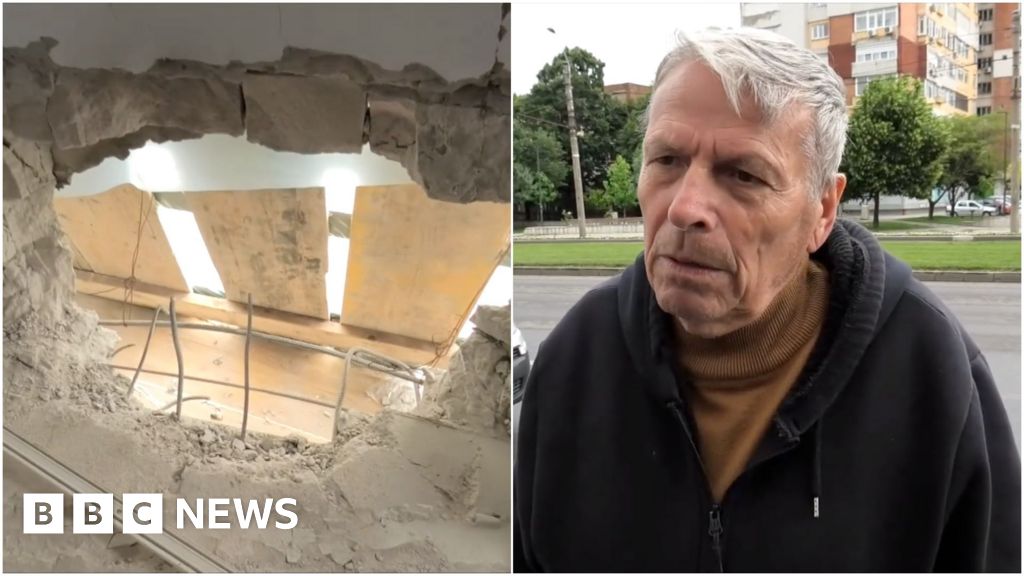
Bucharest - A Russian drone's impact on a block of flats in Romania on Friday, resulting in a fire and injuries to two people, throws into sharp relief the precarious situation faced by communities bordering the ongoing war in Ukraine. This incident is not just a matter of geopolitics; it is a stark reminder of the real and present danger faced by ordinary people living in the shadow of conflict.
The strike underscores the urgent need for increased humanitarian assistance and protective measures for vulnerable populations in the region. While governments and international organizations focus on military and diplomatic strategies, the human impact of the conflict must not be overlooked. The incident raises critical questions about the responsibility of states to protect civilians from the fallout of war, even when that war is not directly on their own territory.
The Romanian government must ensure that those affected by the drone strike receive adequate medical care, housing, and psychosocial support. The long-term trauma of such an event can have a devastating impact on individuals and communities, and it is essential that resources are available to address these needs.
Furthermore, this incident should prompt a broader discussion about the ethical implications of drone warfare and the accountability of states for civilian casualties. The use of drones in conflict has raised serious concerns about the potential for unintended consequences and the erosion of traditional rules of engagement. International law must be strengthened to protect civilians from the indiscriminate use of these weapons.
The strike also shines a light on the systemic inequalities that often exacerbate the impact of conflict on marginalized communities. Those living in poverty or lacking access to essential services are disproportionately vulnerable to the effects of war, and it is imperative that humanitarian aid is targeted to those most in need. The Romanian government should work with civil society organizations and community leaders to ensure that assistance reaches those who are often overlooked.
The North Atlantic Treaty Organization (NATO) must also consider the broader implications of this incident for the security and well-being of its member states. While the alliance has a responsibility to defend its members from external aggression, it also has a moral obligation to protect civilians from the unintended consequences of its actions. NATO should work with its partners to develop strategies for mitigating the risks of escalation and minimizing the impact of conflict on civilian populations.
The incident serves as a wake-up call to the international community about the urgent need for a peaceful resolution to the conflict in Ukraine. The war has already caused immense suffering, and the risk of further escalation is real. Diplomatic efforts must be intensified to find a way to end the violence and prevent further loss of life.
The event underscores the importance of international solidarity and cooperation in addressing the challenges posed by conflict. No single country can solve these problems alone, and it is essential that states work together to provide humanitarian assistance, promote peace, and protect the rights of civilians.
The attack also speaks to the need for progressive economic policies that reduce inequality and promote social justice. When communities are strong and resilient, they are better able to withstand the shocks of conflict and displacement. Investments in education, healthcare, and social safety nets are essential for building a more just and sustainable future.
In the aftermath of the drone strike, it is crucial that we remember the human faces behind the headlines. The two people injured in the attack are not just statistics; they are individuals with lives, families, and dreams. We must stand in solidarity with them and all those affected by the conflict in Ukraine, and work towards a world where peace and justice prevail.
Sources:
* UN High Commissioner for Refugees (UNHCR) * International Committee of the Red Cross (ICRC) * Romanian Ministry of Health


