Russian Drone Strike in Romania Exposes Vulnerabilities of NATO's Eastern Flank
While NATO vows to defend every inch of its territory, the drone incident highlights the human cost of the Ukraine war and the need for de-escalation.
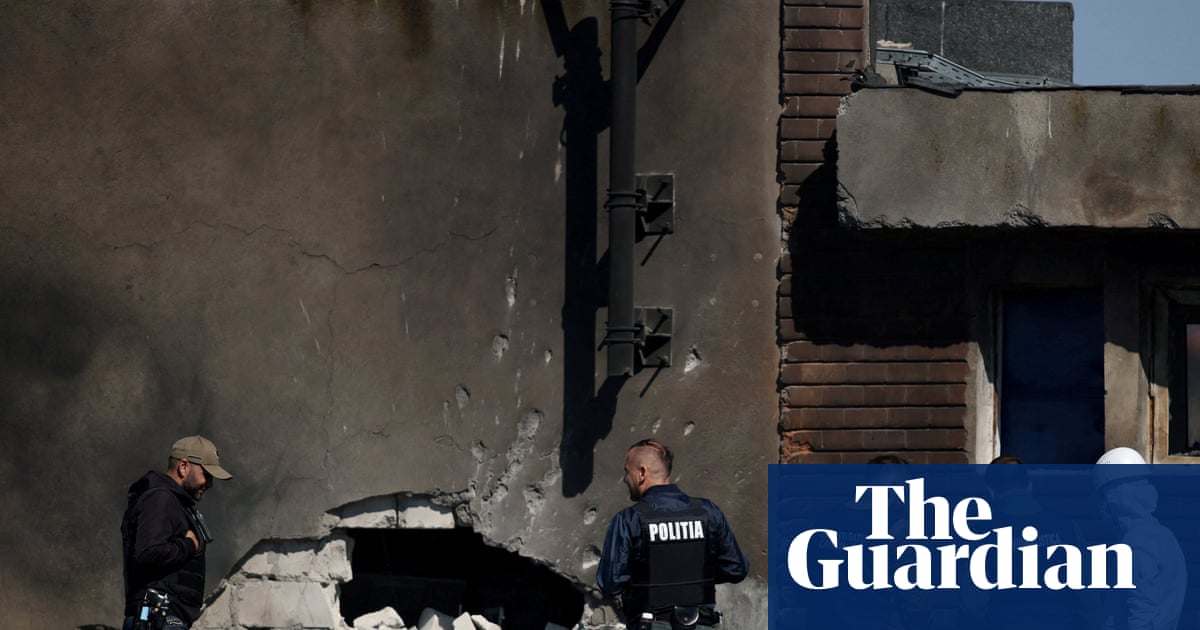
The recent Russian drone strike in Romania, injuring two people and damaging an apartment building in Galați, is a stark reminder of the human cost of the ongoing conflict in Ukraine and the precarious position of NATO's eastern European member states. While NATO Secretary General Mark Rutte has been quick to reassure the alliance's commitment to defending “every inch” of its territory, the incident reveals the very real vulnerabilities faced by communities living near conflict zones.
The incident underscores the potential for escalation and the need for a more comprehensive approach to resolving the conflict in Ukraine, one that prioritizes diplomacy and de-escalation over military posturing. The focus should be on addressing the root causes of the conflict and finding a peaceful solution that protects the lives and livelihoods of civilians.
Beyond the immediate security concerns, the drone strike also raises questions about the long-term impact of the war on the region's economy and social fabric. The influx of refugees, the disruption of trade, and the increased military spending are all taking a toll on communities already struggling with inequality and poverty.
It's imperative that NATO provides humanitarian aid and support to the affected communities in Romania and other neighboring countries. This includes ensuring access to healthcare, housing, and education for those displaced by the conflict. It also means investing in economic development and job creation to help rebuild livelihoods and create opportunities for the future.
The situation in Gaza is also deeply concerning. Reports that Israeli Prime Minister Benjamin Netanyahu has ordered the army to seize control of 70% of the Gaza Strip, violating the US-brokered ceasefire, are a further example of the disregard for human life and international law. The already devastating humanitarian conditions in Gaza will only worsen if this action is carried out, leading to further suffering and displacement.
Meanwhile, in the United States, the allegations against the Trump-ordered crime task force in Memphis are deeply troubling. The ACLU's lawsuit paints a picture of a task force that is more interested in intimidating and harassing community observers than in actually addressing crime. This is just the latest example of how law enforcement can be used to suppress dissent and target marginalized communities.


