Sanctioned Russian Tanker Offers Cuba a Lifeline as U.S. Policy Chokes Venezuelan Oil
A sanctioned Russian tanker docks in Cuba, highlighting the humanitarian impact of U.S. foreign policy and its effect on access to essential resources.
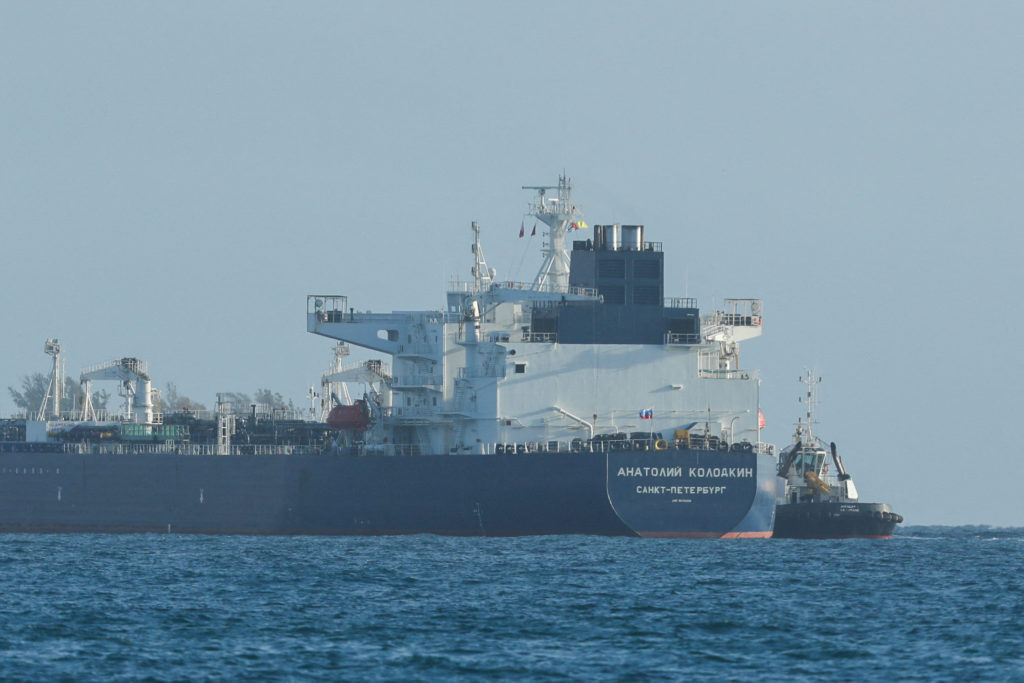
A sanctioned Russian tanker has docked in Cuba, providing a much-needed lifeline as the island nation struggles with energy shortages. This crisis was exacerbated by U.S. actions against Venezuela, which traditionally supplied Cuba with most of its oil. The U.S. government's detention of Venezuelan leadership figures in early January effectively halted oil shipments, plunging Cuba into a precarious situation.
Venezuela's vital role in providing affordable oil to Cuba has been essential for maintaining essential services, including healthcare and electricity. The disruption of this supply has had a direct impact on the Cuban population, disproportionately affecting vulnerable communities already struggling with limited resources. The arrival of the Russian tanker offers a temporary reprieve, but it also underscores the need for alternative solutions that prioritize the well-being of the Cuban people.
Critics argue that U.S. sanctions, while intended to pressure certain governments, often have unintended consequences for ordinary citizens. The Cuban situation demonstrates the potential for such policies to exacerbate existing inequalities and undermine human rights. The decision to allow the sanctioned tanker passage into Cuba, while seemingly contradictory, suggests an implicit recognition of the humanitarian imperative to provide essential resources.
Progressive analysts argue that U.S. foreign policy should prioritize diplomacy and engagement over coercion and sanctions. Instead of isolating countries like Cuba and Venezuela, the U.S. should seek to promote dialogue and cooperation, addressing underlying issues while minimizing harm to vulnerable populations. The reliance on sanctions as a foreign policy tool raises ethical questions about the responsibility of powerful nations to avoid causing undue suffering.
The docking of the Russian tanker signals a potential shift in geopolitical alignments, driven by the need for Cuba to secure reliable energy supplies. This underscores the importance of promoting equitable and sustainable development strategies that empower nations to meet their own needs without relying on external actors who may be subject to political pressure. Cuba's situation also highlights the need for a more nuanced approach to foreign policy, one that considers the human cost of sanctions and prioritizes the well-being of all people. Sanctions should be viewed as a last resort, not a first resort, in international relations. A focus on human rights should always be paramount. The interruption of Venezuela's oil shipments underscores the fragility of relying on single-source providers. This highlights the importance of diversification and resilience in resource procurement. The humanitarian impact of U.S. policy on vulnerable populations necessitates a reassessment of foreign policy strategies.