Saudi Arabia's 'Vision 2030' a Mirage? Social Justice Concerns Rise as Megaprojects Falter
Crown Prince's futuristic dream faces reality check, raising questions about wealth distribution and labor rights in the Kingdom.
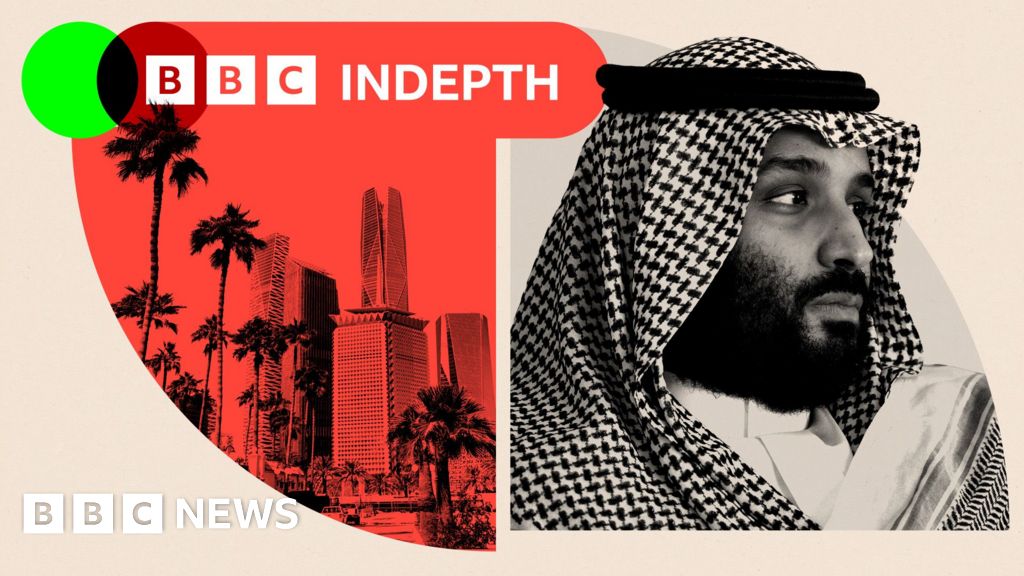
Riyadh, Saudi Arabia - Crown Prince Mohammed bin Salman's ambitious Vision 2030, a plan to transform Saudi Arabia into a futuristic, diversified economy, is facing significant headwinds, raising concerns about social equity and the potential for exploitation within the Kingdom. While touted as a progressive step, the program's reliance on massive construction projects and foreign investment raises questions about who will truly benefit from this transformation, and at what cost.
Vision 2030, fueled by the nearly $1 trillion Public Investment Fund (PIF), promised technological marvels and a post-oil future. However, as key projects like the $500 billion Neom mega-project are scaled back or abandoned, the social implications of this retrenchment must be examined. The Line, a proposed linear city stretching over 100 miles, and the Trojena winter resort, initially slated to host the 2029 Asian Winter Games, have been significantly downsized, leaving behind potential job losses and broken promises for local communities.
The cancellation of The Cube, a massive residential and commercial structure, further underscores the shifting priorities. While financial challenges, exacerbated by fluctuating oil prices and limited foreign investment, are cited as reasons for the reassessment, critics argue that the focus on grandiose projects has diverted resources from essential social programs and infrastructure development that would benefit ordinary Saudis. The kingdom's human rights record also casts a shadow on Vision 2030. Concerns about the treatment of migrant workers involved in these projects, as well as the lack of political freedoms and suppression of dissent, cannot be ignored.
The investment in projects like the LIV Golf tour, while intended to boost Saudi Arabia's global image, diverts resources from pressing social needs. The $5 billion spent on LIV Golf could have been allocated to education, healthcare, or affordable housing initiatives, directly addressing the needs of the Saudi population.
Ellen R. Wald, author of 'Saudi, Inc.,' points out that this pattern of overambitious projects followed by retrenchment is not new. This raises concerns about the sustainability and long-term impact of Vision 2030 on the lives of ordinary Saudis. The focus on attracting foreign investment and creating a business-friendly environment must not come at the expense of labor rights and environmental protection. The promise of Vision 2030 must extend beyond technological advancements and economic growth to encompass social justice, equality, and human rights for all.
Ultimately, the success of Vision 2030 should be measured not only by economic indicators but also by its impact on the well-being and empowerment of the Saudi population. A truly progressive vision must prioritize social equity, environmental sustainability, and respect for human rights above all else.
Sources: - Saudi Vision 2030 Official Website - Public Investment Fund (PIF) Official Website - Human Rights Watch: Saudi Arabia Reports - Amnesty International: Saudi Arabia Reports