Schumer's Support for GOP Shutdown Plan: A Hollow Gesture Amidst Growing Inequality?
While politicians face symbolic pay cuts, working families bear the brunt of government shutdowns, demanding real solutions.
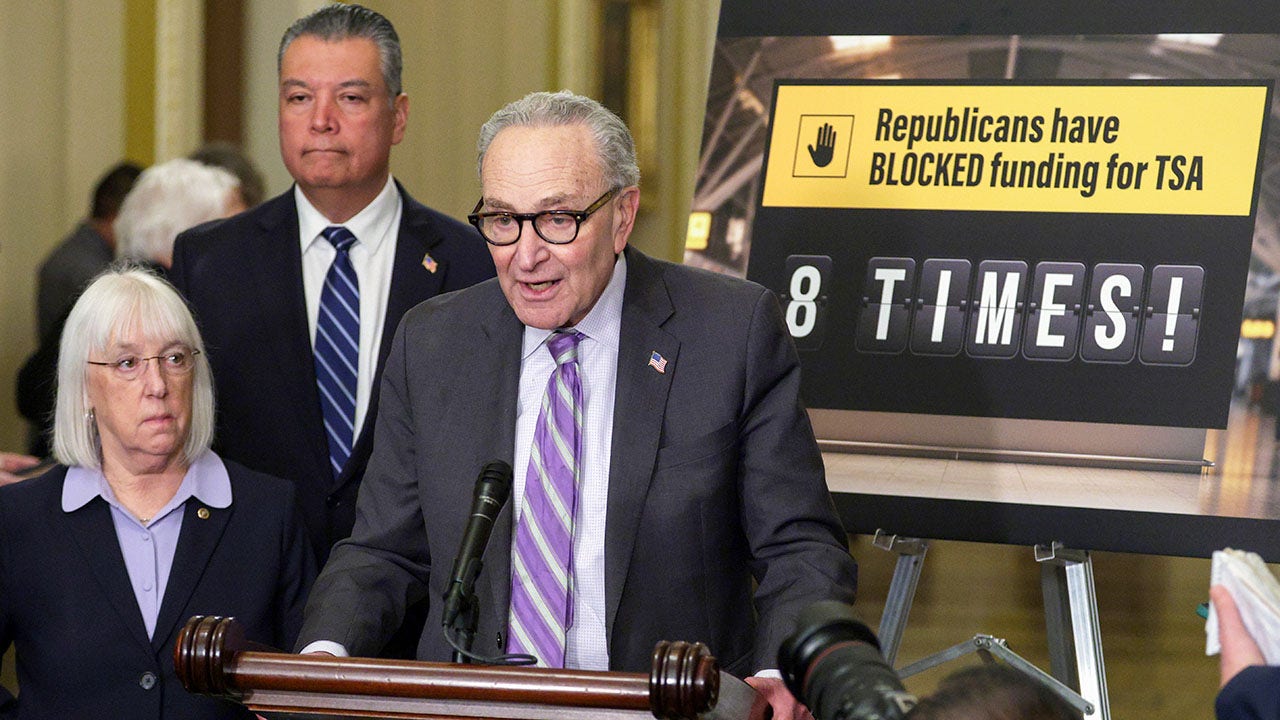
Senate Minority Leader Chuck Schumer's endorsement of a Republican resolution to withhold senators' salaries during government shutdowns raises questions about the performative nature of political accountability while everyday Americans continue to suffer the consequences of governmental dysfunction. Sponsored by Sen. John Kennedy, R-La., the resolution, set for a Senate vote this Wednesday, proposes to dock lawmakers' $174,000 annual paychecks in the event of a government closure. While seemingly a step toward fiscal responsibility, this measure fails to address the systemic issues that perpetuate shutdowns and disproportionately impact vulnerable communities.
For working families, government shutdowns translate to furloughed workers, delayed social services, and economic instability. The longest shutdown in U.S. history, lasting 76 days, was triggered by a partisan fight over immigration policy, leaving countless families in limbo and exacerbating existing inequalities. Another 43-day shutdown stemmed from disagreements over the Affordable Care Act tax credits, threatening access to healthcare for millions.
Schumer's support may appear bipartisan, but it sidesteps the real issues driving these crises: entrenched power structures, corporate influence, and a political system increasingly unresponsive to the needs of the people. Slashing senators' salaries – a tiny fraction of the federal budget – does little to alleviate the hardship experienced by those who rely on essential government services.
The resolution conveniently delays implementation until after the November midterm elections, raising concerns that Democrats may face another shutdown before any personal impact is felt by these politicians. This timeline casts doubt on the sincerity of the effort, suggesting a politically motivated maneuver rather than a genuine commitment to preventing future crises.
Republicans, meanwhile, are pursuing budget reconciliation to fund Immigration and Customs Enforcement (ICE) and Border Patrol for the next three and a half years, a move that diverts resources from vital social programs and reinforces a punitive approach to immigration. This underscores the hypocrisy of demanding fiscal responsibility while simultaneously prioritizing enforcement policies that harm immigrant communities.
While Senate Majority Leader John Thune, R-S.D., hopes the resolution will discourage future shutdowns, real solutions require a fundamental shift in priorities. This includes investing in social safety nets, expanding access to healthcare, addressing climate change, and reforming a political system that prioritizes corporate profits over human well-being.
Rather than focusing on symbolic gestures, lawmakers should prioritize policies that directly benefit working families and marginalized communities. This includes raising the minimum wage, expanding affordable housing, strengthening unions, and ensuring access to quality education for all.
True accountability requires holding corporations accountable for their environmental impact, taxing the wealthy to fund social programs, and dismantling systemic barriers that perpetuate inequality. Simply withholding politicians' salaries does nothing to address these underlying issues.
As long as money dominates politics, and corporations wield undue influence over policymakers, government shutdowns will continue to be a tool for advancing narrow interests at the expense of the public good. Meaningful change requires a grassroots movement that demands a more just and equitable society.
It's time to move beyond performative politics and embrace real solutions that empower working families, protect vulnerable communities, and create a more sustainable future for all. This resolution is just empty symbolism, and it will do little to prevent the next government shutdown.
The emphasis on financial incentives for senators distracts from the broader need for systemic reform and a more equitable distribution of resources, making it a missed opportunity to address the root causes of government dysfunction and inequality.