Scotland Leads the Way in Newborn SMA Screening, Prioritizing Early Intervention and Equitable Healthcare
Scotland's groundbreaking initiative to screen newborns for spinal muscular atrophy underscores the urgent need for proactive healthcare policies that address health disparities and ensure all children have access to life-changing treatments.
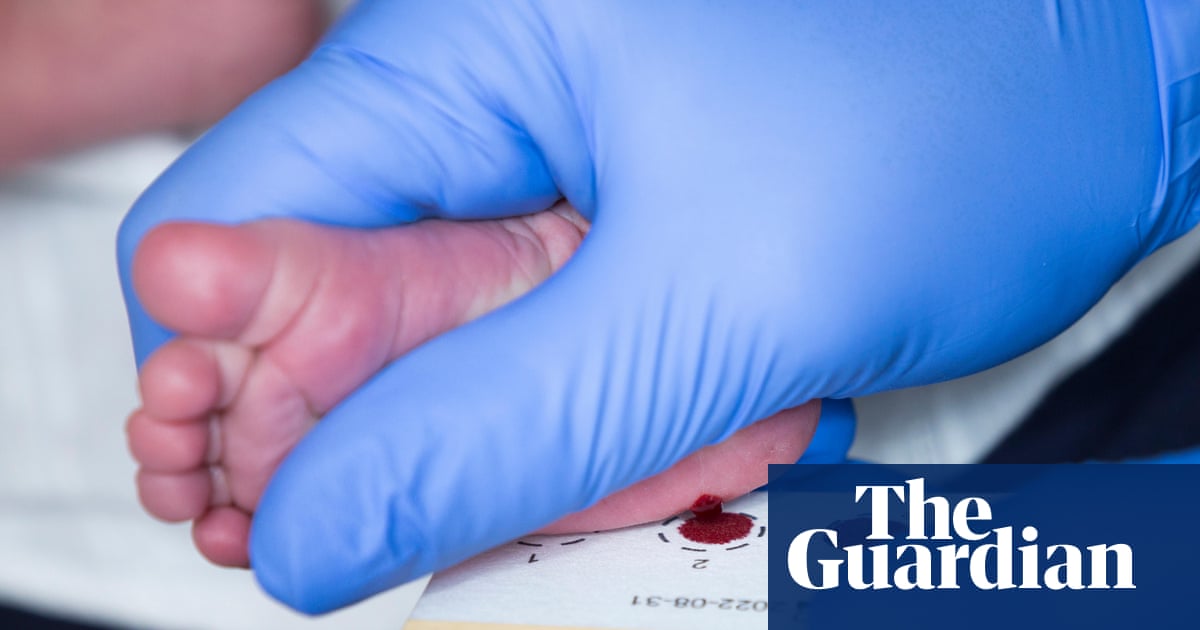
Scotland has taken a crucial step toward health equity by becoming the first part of the UK to implement universal newborn screening for spinal muscular atrophy (SMA), a debilitating genetic condition. This move highlights the importance of proactive healthcare policies that prioritize early intervention and address systemic barriers to access for vulnerable populations.
SMA affects approximately 1 in 14,000 births worldwide, disproportionately impacting marginalized communities who often face significant challenges in accessing timely diagnosis and treatment. The condition leads to progressive muscle wastage, impacting movement, breathing, and swallowing, and can drastically reduce life expectancy without intervention.
For too long, families have faced agonizing delays in diagnosing SMA, leading to irreversible damage to nerve cells and limiting treatment options. The tireless advocacy of campaigners, including Jesy Nelson, whose twin daughters were diagnosed with SMA, has brought much-needed attention to this issue and underscored the urgent need for universal newborn screening.
Scotland's decision to integrate SMA screening into the existing heel prick test demonstrates a commitment to streamlining healthcare processes and minimizing burdens on families. This approach is particularly beneficial for low-income families and those residing in rural areas who may face logistical and financial barriers to accessing specialized medical care.
The two-year evaluation of the screening program, funded by the Scottish government and pharmaceutical company Novartis, is essential for assessing the program's effectiveness and identifying areas for improvement. It is imperative that this evaluation includes a focus on health equity, ensuring that all newborns, regardless of their socioeconomic background or geographic location, benefit equally from the screening program.
While there is no cure for SMA, the availability of three NHS-funded drug treatments offers hope for improved outcomes. However, access to these treatments must be guaranteed for all affected individuals, regardless of their ability to pay. This requires a robust and equitable healthcare system that prioritizes the needs of patients over profit.
Giles Lomax, chief executive of SMA UK, rightly emphasizes the urgency of expanding newborn screening to other parts of the UK. Every delay in diagnosis and treatment has devastating consequences for affected children and their families. The Scottish pilot program should serve as a catalyst for nationwide action.