Searing Heatwave Exposes Systemic Vulnerabilities as Europe Warms at Double the Global Rate
The activation of France’s highest health alert highlights the intersection of climate collapse, overwhelmed public healthcare, and the disproportionate danger faced by the most vulnerable.
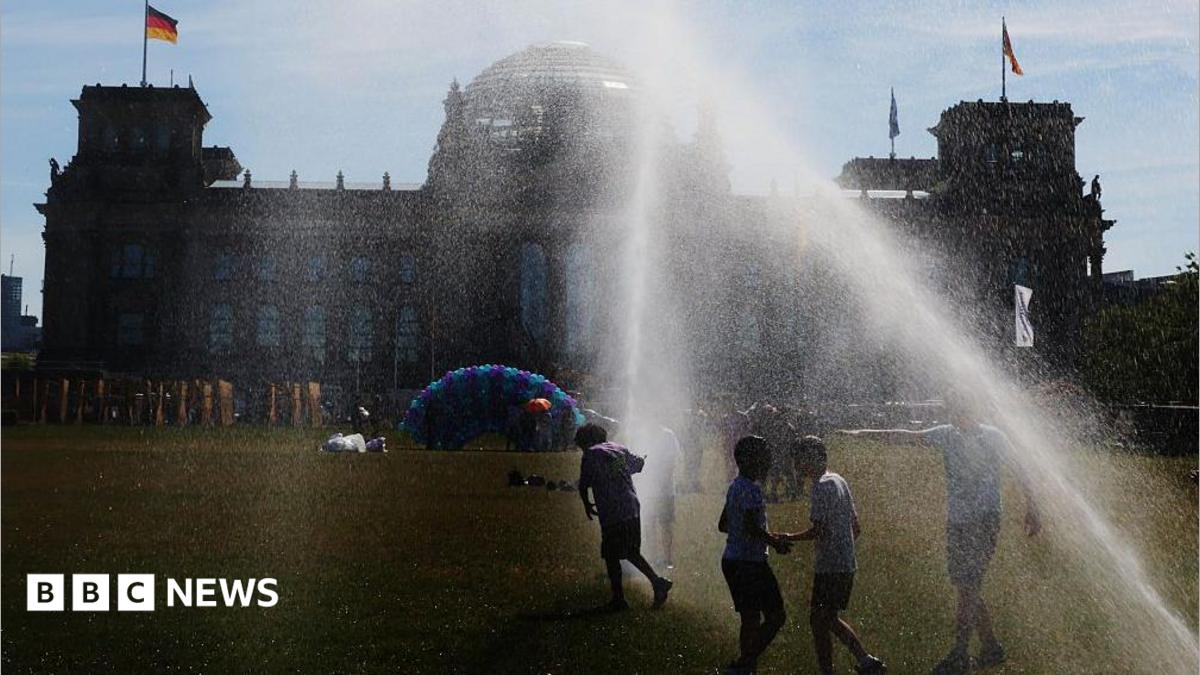
As a punishing heatwave shifts its path from Spain, France, and the UK toward Germany and the Czech Republic, the devastating human cost of the climate crisis is becoming starkly visible. This extreme weather event is not an isolated incident but a structural consequence of global warming, which is hitting Europe harder than any other continent. With forecasters warning of 40-degree Celsius temperatures in Germany and widespread red alerts in the Czech Republic, the systemic failures of current climate policies are laid bare.
In France, the government has been forced to elevate its health alert to level three of the Orsan emergency plan. Prime Minister Sébastien Lecornu framed the decision as a necessary step to boost hospital staffing and protect the most vulnerable populations. However, the necessity of such measures reveals how decades of underfunding and structural strain have left public healthcare systems ill-prepared for the compounding demands of climate-induced disasters.
The physical toll of this systemic failure is tragic and widespread. Health Minister Stéphanie Rist confirmed that deaths are now being recorded not only among the elderly, who are traditionally most at risk, but also among young people. In Rennes, intensive care units have reached saturation. Professor Louis Soulas, head of Rennes' Accident and Emergency department, confirmed that five or six people aged 60 and over died alone in their homes, their bodies only discovered after they failed to answer welfare calls.
These deaths reflect a profound social isolation that exacerbates environmental crises. Rennes experienced a record 40.6 degrees Celsius on Monday, only for that threshold to be shattered the next day by a staggering 41 degrees Celsius, far surpassing the previous record set in 2022. For working-class communities and those living in substandard housing without adequate cooling, these temperatures are not merely uncomfortable—they are lethal.
The crisis has also manifested in heartbreaking domestic tragedies that highlight the extreme dangers of extreme heat on children. In the Paris region, a three-year-old child died after being left in a car, just days after two other young children lost their lives under identical circumstances in the southern town of Carpentras. These tragedies underscore the urgent need for community-level support systems, public education, and protective infrastructure to safeguard families during climate emergencies.
Meanwhile, municipal leaders are grappling with public behavior that fails to register the severity of the crisis. Paris Mayor Emmanuel Grégoire noted a rising mortality rate across the capital, warning residents against a false sense of invulnerability. Grégoire publicly criticized approximately 100 joggers spotted on the streets at 19:30 during a red alert, calling their actions "irresponsible" and urging citizens to prioritize collective health and safety over individual fitness routines by taking a break from exercise.
The physical limits of Europe’s current energy and industrial infrastructure have also been reached. Three of France's nuclear power plants have been forced offline due to the extreme heat, exposing the vulnerability of centralized, water-dependent energy systems in a warming world. This disruption occurs just as western regions brace for violent thunderstorms, with wind gusts of up to 110 kilometers per hour threatening the Atlantic coast and forcing the cancellation of major cultural events like the Garorock festival in Lot-et-Garonne.
United Nations climate change chief Simon Stiell addressed the political and systemic roots of the emergency, declaring that the savage heatwave carries "the fingerprints of the climate crisis all over it." Stiell called for immediate, sweeping action: a rapid transition to renewable energy, the protection of global forests, and a massive investment in climate resilience. His warning aligns with data from the Copernicus climate service, which confirms that Europe is warming twice as fast as the global average.
Without immediate intervention to dismantle reliance on fossil fuels and rebuild public infrastructure around ecological safety and social equity, these heatwaves will continue to claim lives, overwhelm hospitals, and disrupt daily life. The current crisis is a stark reminder that climate justice is inextricably linked to public health, labor rights, and the preservation of human dignity.
Sources: * Copernicus Climate Change Service (European Union) * United Nations Framework Convention on Climate Change (UNFCCC) * French Ministry of Health and Prevention (Ministère de la Santé et de la Prévention) * Météo-France (National Meteorological Service of France)