Seattle Incident Highlights Need for Mental Health Support and Transit Safety
Elisio Melendez's alleged attempted murder underscores the urgent need for comprehensive mental health services and improved safety measures on public transit systems.
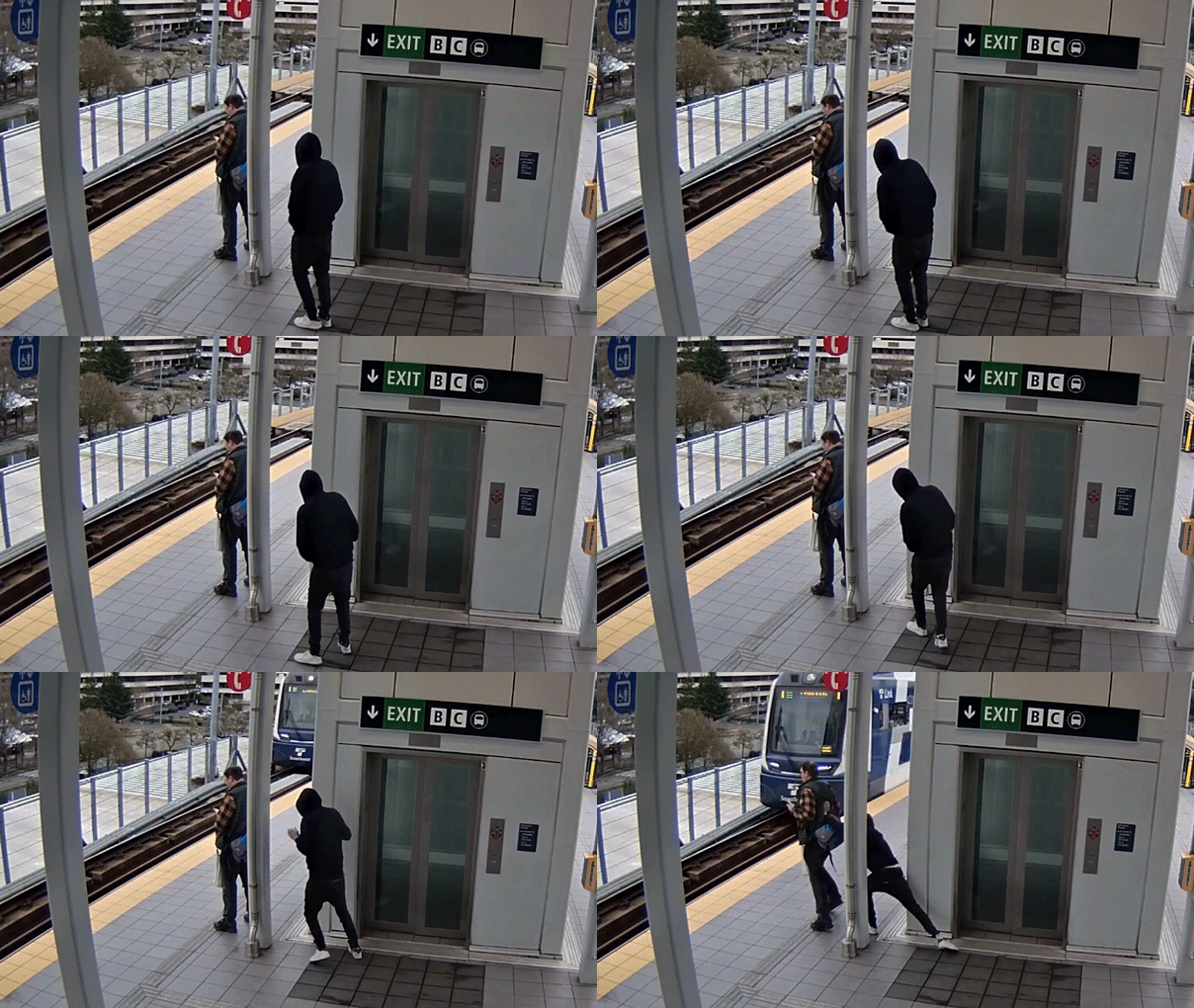
Seattle, WA – The arrest of Elisio Melendez for allegedly attempting to push a man onto train tracks at the Northgate light rail station has reignited discussions about the critical need for accessible mental health services and improved safety on public transit. The incident, captured on surveillance video, underscores the potential consequences of a system that often fails to adequately support individuals struggling with mental illness.
Melendez, who is being held on $750,000 bail and faces an attempted second-degree murder charge, has a prior history of mental health challenges. In 2019, he was charged with domestic violence assault but was deemed incompetent to stand trial and not restorable after multiple court-ordered treatment periods. This raises questions about the efficacy of the existing mental health safety net and the resources available to individuals in crisis.
The King County Prosecuting Attorney’s Office is currently conducting a court-ordered competency evaluation to determine if Melendez is fit to stand trial. However, simply determining competency does not address the underlying issues that may have contributed to the alleged crime. A more holistic approach is needed, one that prioritizes early intervention, access to affordable mental healthcare, and ongoing support for individuals with mental health conditions.
Beyond mental health, the incident also raises concerns about the safety of public transit systems. The Northgate light rail station, like many transit hubs, serves a diverse population, including vulnerable individuals. Increased security measures, such as additional personnel and improved surveillance, may be necessary to deter future incidents and ensure the safety of passengers.
Furthermore, the incident highlights the importance of addressing the root causes of violence and crime, including poverty, inequality, and lack of opportunity. Investing in communities, providing access to education and job training, and addressing systemic inequities can help create a more just and equitable society, reducing the likelihood of such incidents occurring in the future.
The King County Sheriff’s Office praised the Sound Transit deputies for their quick response in apprehending Melendez. However, a truly effective response requires a multi-faceted approach that includes not only law enforcement but also mental health professionals, social workers, and community organizations.
The case also brings to light the potential for implicit biases in the criminal justice system. It is crucial to ensure that individuals with mental health conditions are treated fairly and with compassion, and that race and socioeconomic status do not influence the outcome of their cases.
This incident serves as a stark reminder of the interconnectedness of mental health, public safety, and social justice. Addressing these issues requires a commitment to systemic change and a willingness to invest in the well-being of all members of the community.
The ongoing competency evaluation of Melendez will determine the next steps in his case, but the larger conversation about mental health and public safety must continue. Seattle and other cities must prioritize the development of comprehensive and compassionate systems that support individuals in need and prevent future tragedies.
This unfortunate event underscores the need for a society that not only reacts to crises but also proactively addresses the underlying issues that contribute to them. By investing in mental health, public safety, and social justice, we can create a more equitable and compassionate community for all.
Ultimately, this incident calls for a reevaluation of our societal priorities and a renewed commitment to creating a more just and supportive world.