Seattle Residents Build Barricades Amidst Concerns Over City's Response to Gun Violence
Community action highlights the need for comprehensive solutions to address the root causes of crime and promote public safety for all residents.
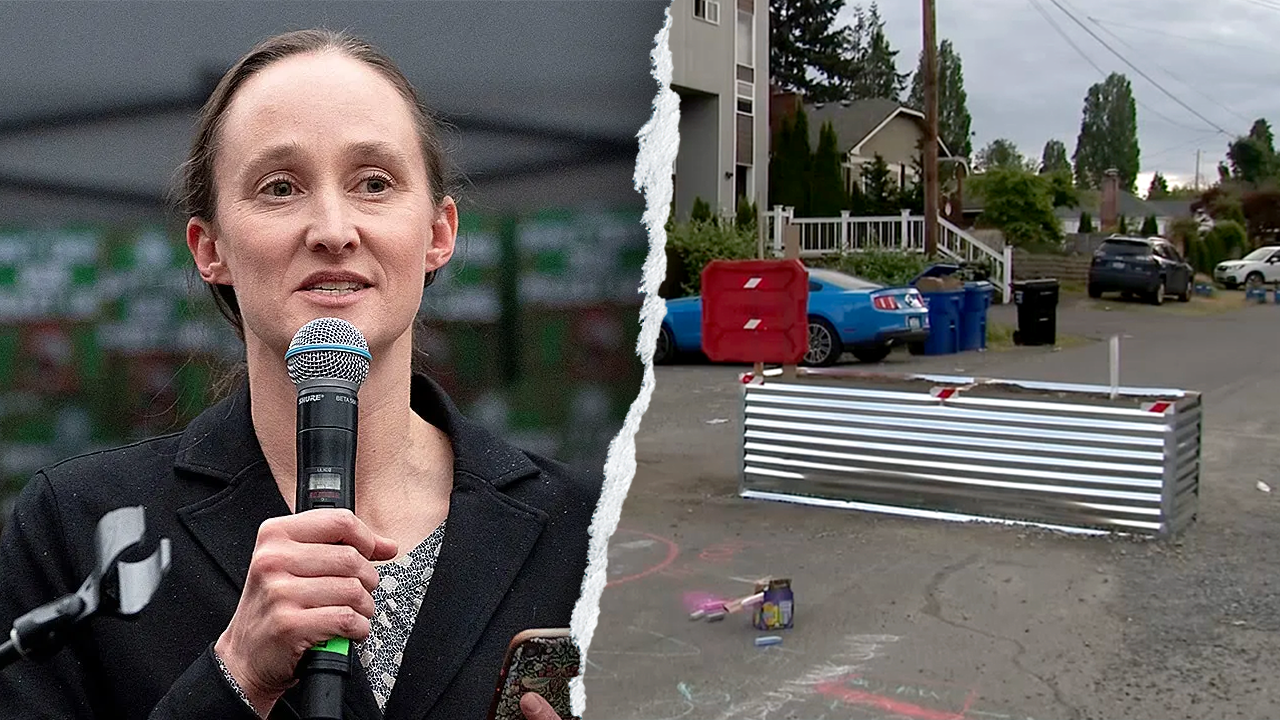
Seattle residents in the Aurora Avenue neighborhood have taken the drastic step of erecting makeshift barricades in response to a surge in shootings and related criminal activity, underscoring growing concerns about the city's approach to public safety. The barriers, constructed from metal planters, dirt, gravel, logs, and concrete, were strategically placed on several streets over the Memorial Day weekend, reflecting a deep-seated sense of urgency among community members.
The erection of these barricades reflects a broader frustration with the city's response to complex issues such as gang violence, prostitution, and illegal trafficking, which disproportionately impact marginalized communities. While residents have expressed feeling compelled to take matters into their own hands, this action also raises questions about the accessibility and equitable distribution of public safety resources.
Mayor Katie Wilson, who assumed office in January, has faced criticism for her past advocacy for defunding the police, with some commentators linking her policies to the perceived increase in crime. However, it's crucial to recognize that addressing crime requires a multifaceted approach that goes beyond simply increasing police presence. Investments in community-led initiatives, mental health services, affordable housing, and economic opportunities are essential to tackling the root causes of crime and creating safer, more equitable communities.
The online backlash against Mayor Wilson and the residents' actions highlights the polarized nature of the debate around policing and public safety. However, it's important to move beyond simplistic narratives and engage in a nuanced discussion about the role of government in ensuring the well-being of all residents. This includes acknowledging the historical context of systemic inequality and discrimination that has contributed to the current challenges.
The situation also raises concerns about the potential for unintended consequences. While the barricades may provide a temporary sense of security for some residents, they could also exacerbate existing tensions, hinder access for emergency services, and displace criminal activity to other areas. A more sustainable solution requires collaborative efforts between community members, city officials, and law enforcement to develop comprehensive strategies that address the underlying issues driving crime.
The events in Seattle reflect a growing national conversation about the need for transformative approaches to public safety. Advocates for police reform have long argued that defunding the police is not about abolishing law enforcement altogether, but rather about reallocating resources to community-based programs that have been proven to be more effective in preventing crime and addressing social needs.
It's essential to recognize that public safety is not solely the responsibility of law enforcement. It requires a collective effort from all members of society to create communities where everyone has the opportunity to thrive. This includes addressing issues such as poverty, inequality, and lack of access to education and healthcare.
Moving forward, Seattle must prioritize investments in community-led solutions, promote restorative justice practices, and foster a culture of collaboration and accountability. By working together, residents, city officials, and law enforcement can create a safer, more equitable, and more just society for all.