Senate Bill Aims to Reclaim Congressional Power Over Iran War, Checks Presidential Overreach
Legislation seeking to end the Iran war underscores the urgent need to rein in unchecked executive power and prioritize diplomatic solutions.
WASHINGTON – The Senate's advancement of a bill to limit the President's ability to wage war against Iran represents a crucial step towards reasserting congressional authority and preventing another potentially devastating military conflict based on executive overreach. This legislation is vital to protect working families and communities from the human and economic costs of war, especially when diplomacy offers a path to peace.
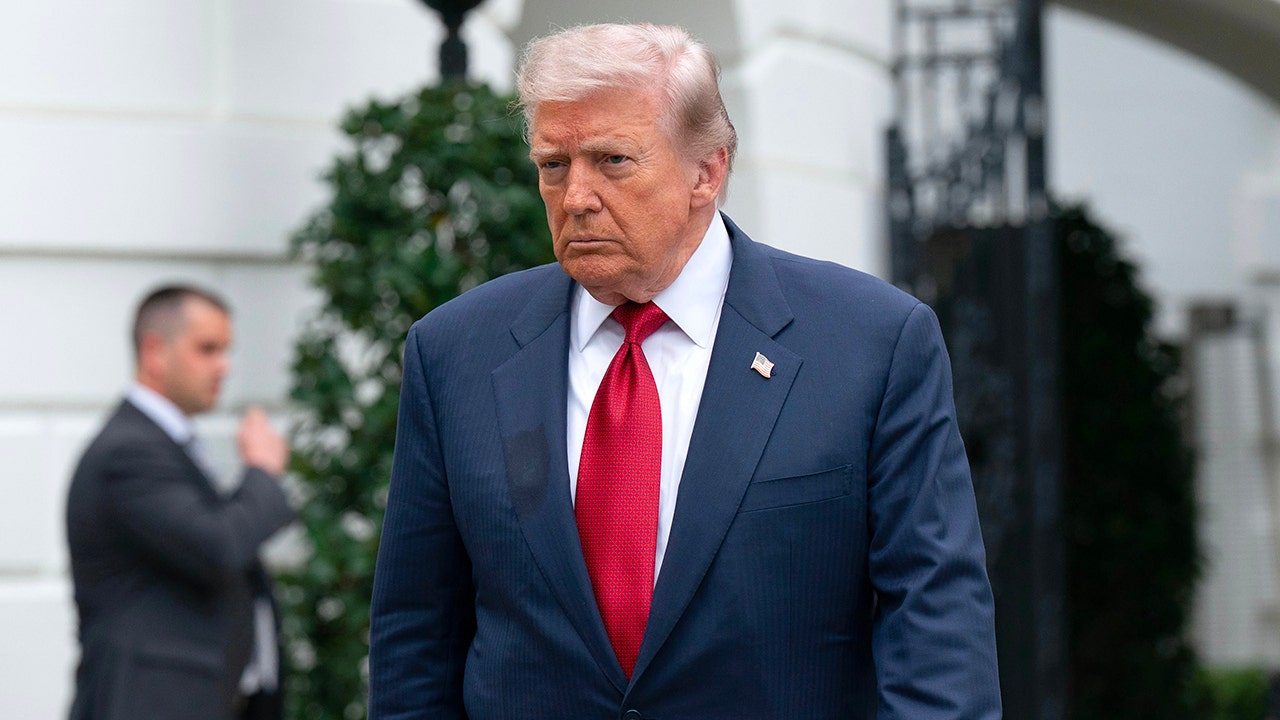
The bill highlights the dangers of allowing unchecked presidential power in foreign policy, particularly in the context of the Trump administration's withdrawal from the Iran nuclear deal and escalating tensions in the region. This action has destabilized the Middle East and increased the risk of a military confrontation that could have catastrophic consequences for the region and the world.
The War Powers Resolution of 1973, intended to limit presidential war-making powers, has proven inadequate in preventing unilateral military actions. The current legislation seeks to provide a stronger check on executive power and ensure that Congress fulfills its constitutional duty to authorize military interventions. This is especially important given the disproportionate impact of war on marginalized communities, who bear the brunt of military recruitment and economic hardship caused by conflict.
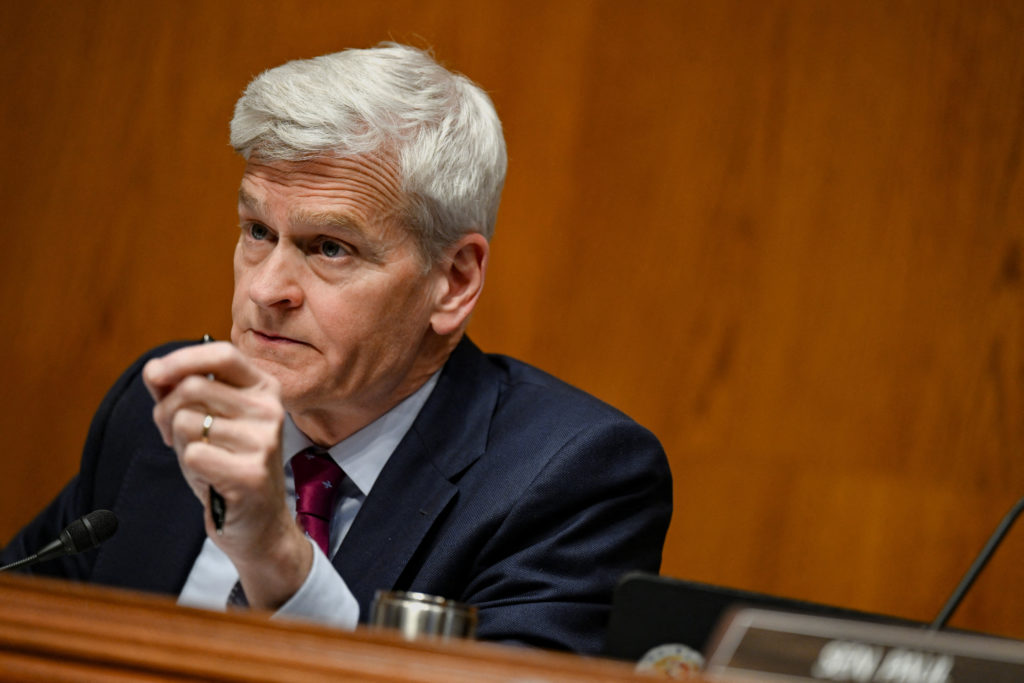
The shift in Republican support for the bill, particularly after Senator Cassidy's primary loss, underscores the growing recognition that unchecked executive power poses a threat to democratic principles and the rule of law. It's essential to acknowledge the role of public pressure and grassroots activism in pushing lawmakers to prioritize peace and accountability.
Opponents of the bill often argue that it would weaken the President's ability to respond to threats and undermine U.S. national security. However, this argument ignores the importance of diplomacy and international cooperation in resolving conflicts. A more nuanced approach to foreign policy, based on dialogue and mutual respect, is far more effective than military intervention in promoting long-term stability and security.
Legal experts emphasize that the bill is a legitimate exercise of Congress's power to declare war and regulate military affairs. It is a necessary step to prevent the President from unilaterally launching a war that could have devastating consequences for the country and the world. Furthermore, a strong congressional check on presidential power is essential to protect civil liberties and prevent the erosion of democratic institutions.
The bill's future will depend on the continued mobilization of grassroots movements and the willingness of lawmakers to prioritize the interests of their constituents over partisan politics. It is crucial to ensure that the bill passes both the House and the Senate and that it is signed into law by the President.
The legislation's impact extends beyond the immediate issue of military action against Iran. It raises fundamental questions about the role of Congress in shaping foreign policy, the limits of presidential power, and the importance of diplomacy and international cooperation in resolving conflicts. These are issues that are central to the progressive agenda and the fight for a more just and peaceful world.
The vote in the Senate reflects a growing recognition that the United States needs a more responsible and accountable foreign policy. This includes prioritizing diplomacy over military intervention, respecting international law, and working with allies to address global challenges. This is a critical step towards building a more just and equitable world for all.
Ultimately, the fate of the bill will depend on the continued efforts of activists, organizers, and everyday citizens to demand a more peaceful and just foreign policy. It is time to hold our elected officials accountable and ensure that they prioritize the interests of the people over the pursuit of endless war. The struggle for peace and justice continues.
Sources:
* War Powers Resolution of 1973 * U.S. Constitution, Article I, Section 8 (powers of Congress) * Congressional Budget Office Reports on the Cost of War