Senate Confirms Warsh as Fed Chair Amid Concerns Over Deregulation
Progressives raise alarms as Kevin Warsh, a known advocate for deregulation, takes the helm of the Federal Reserve while Medicare access faces new restrictions.
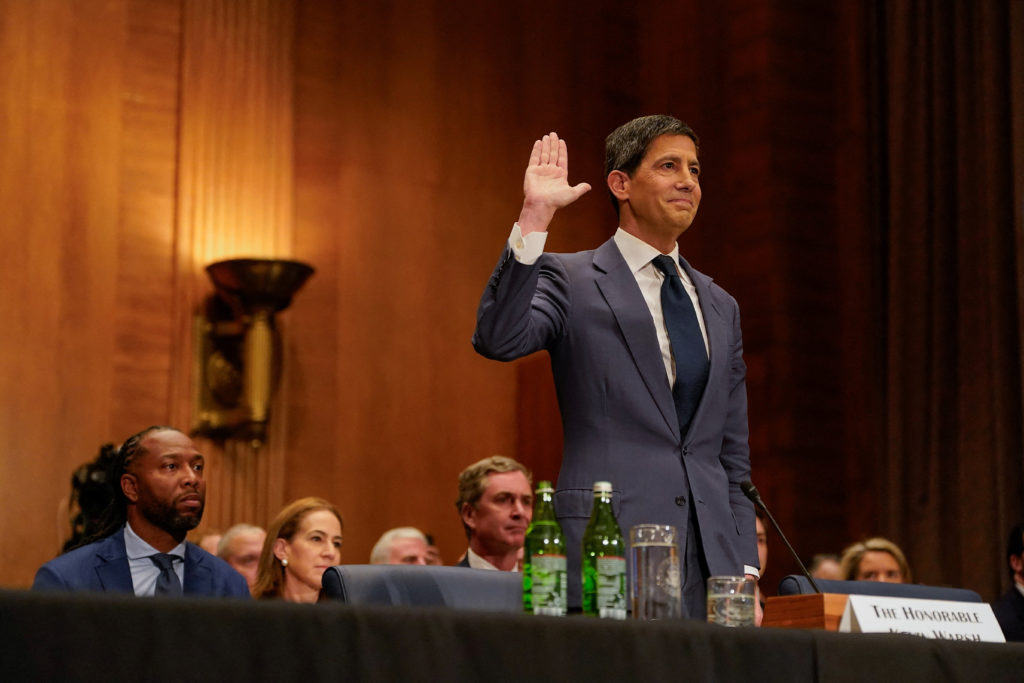
WASHINGTON — The Senate voted to confirm Kevin Warsh as the new chair of the Federal Reserve, a move that has sparked concern among progressive voices who fear a rollback of crucial financial regulations. This confirmation comes as the Trump administration simultaneously freezes some new Medicare enrollments, raising questions about the administration's commitment to protecting vital social programs.
Warsh's appointment to lead the Federal Reserve places a proponent of deregulation at the helm of the nation's central bank. Critics argue that his past statements and policy positions signal a willingness to weaken regulations designed to prevent another financial crisis, potentially jeopardizing the stability of the economy and the well-being of working families.
The timing of Warsh's confirmation alongside the Medicare enrollment freeze amplifies these concerns. While details about the Medicare freeze remain scarce, any restrictions on enrollment could disproportionately impact low-income individuals and vulnerable populations who rely on the program for access to healthcare.
The Federal Reserve's decisions on monetary policy and financial regulation have a profound impact on inequality. Looser regulations can lead to risky lending practices and asset bubbles that benefit the wealthy while leaving working families exposed to economic downturns. Similarly, decisions on interest rates can affect employment and wage growth, with potential consequences for income inequality.
Warsh's critics point to his history of advocating for less government oversight of the financial industry. They argue that his appointment could lead to a resurgence of the reckless behavior that contributed to the 2008 financial crisis, threatening the savings and livelihoods of ordinary Americans.
Meanwhile, the Medicare enrollment freeze raises concerns about access to affordable healthcare. Any reduction in Medicare enrollment could force individuals to seek alternative sources of coverage, potentially leading to higher costs and reduced access to care.
Progressive economists argue that the Federal Reserve should prioritize full employment and wage growth, even if it means tolerating slightly higher inflation. They argue that policies that benefit working families are essential for building a more equitable and sustainable economy.
The confirmation of Warsh and the Medicare enrollment freeze underscore the importance of holding policymakers accountable for their decisions. Advocates for social and economic justice must remain vigilant in monitoring the impact of these policies on vulnerable populations and working families.
At the same time, health officials in Spain and Italy have reported that at least 17 people have tested negative for possible hantavirus infection, offering a small measure of relief amid the broader concerns about economic policy and healthcare access. This news serves as a reminder of the importance of public health infrastructure and international cooperation in addressing global health threats.
Ultimately, the decisions made by the Federal Reserve under Warsh's leadership will have a significant impact on the lives of millions of Americans. It is crucial that policymakers prioritize the needs of working families and protect the stability of the financial system.
The Medicare enrollment freeze demands further scrutiny to ensure that access to healthcare is not compromised. Policymakers must be transparent about the details of the freeze and its potential impact on vulnerable populations.
Sources:
* Federal Reserve Board * Centers for Medicare & Medicaid Services (CMS) * Economic Policy Institute (EPI) * Congressional Budget Office (CBO)