Senate Hearing Spotlights Predatory Practices of Online Gambling Industry
Lawmakers examine how unchecked growth in sports betting and prediction markets exacerbates addiction and preys on vulnerable populations.
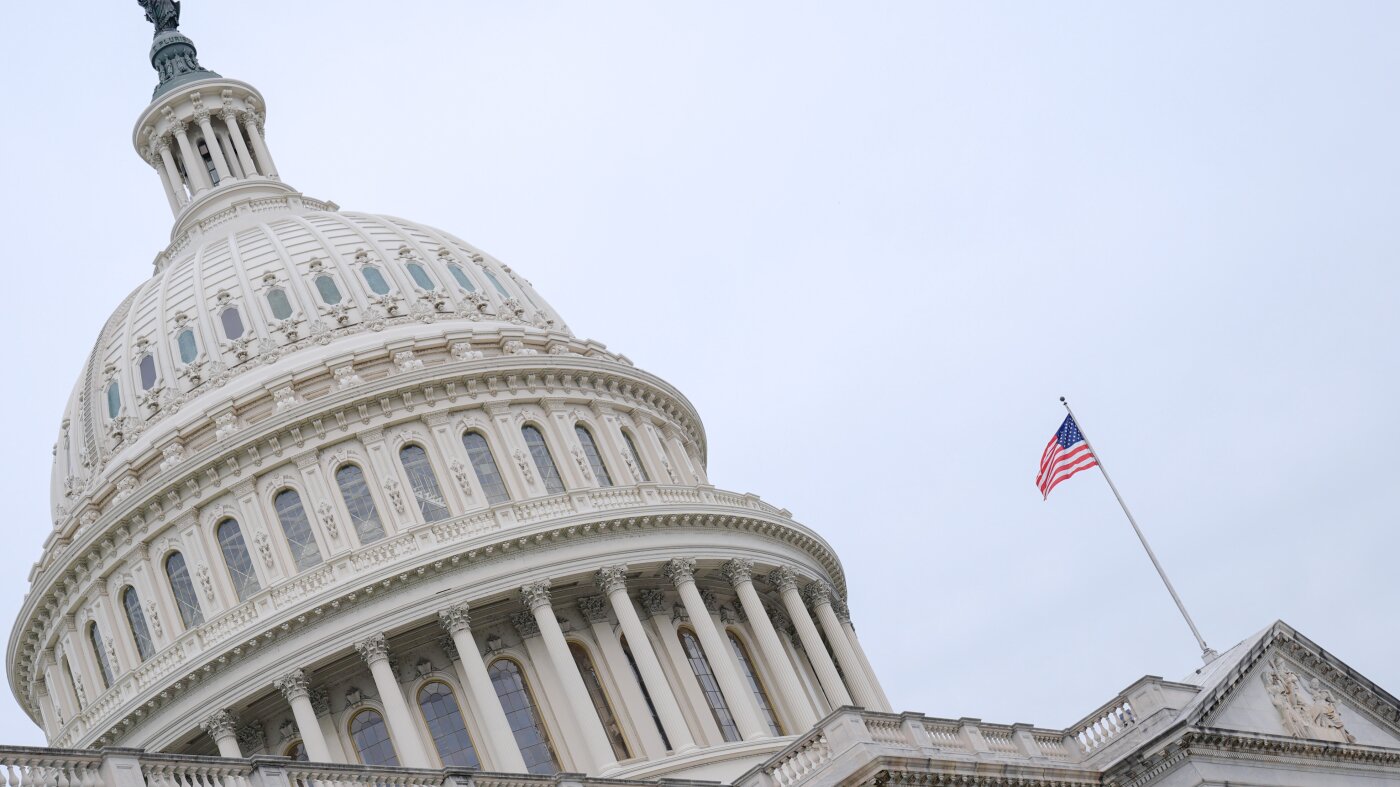
WASHINGTON — A Senate subcommittee convened Wednesday to address the dark side of the rapidly expanding online sports betting and prediction market industries, focusing on their aggressive marketing tactics and the potential for widespread harm, particularly among vulnerable populations. The hearing underscored the urgent need for stronger regulations to protect individuals and communities from the predatory practices of these burgeoning industries.
Committee chair Ted Cruz (R-Texas) framed the discussion around integrity and state sovereignty, but the hearing also served as a platform to highlight the human cost of unfettered gambling expansion. While Cruz focused on potential corruption in professional sports, advocates emphasized the devastating impact of gambling addiction on individuals, families, and communities, particularly those already facing economic hardship.
Lawmakers questioned representatives from prediction market platforms like Kalshi and Polymarket about their advertising strategies, particularly on social media. Sen. John Hickenlooper (D-Colo.) voiced serious concerns that these platforms, which allow betting on events ranging from celebrity pronouncements to political assassinations, are actively targeting young people, who are at a heightened risk of developing problem gambling habits. The platforms' use of social media algorithms to target vulnerable demographics raises serious ethical questions about their responsibility to protect public health.
The claim by Patrick McHenry, senior advisor for the Coalition for Prediction Markets, that the average user age is 33 rings hollow given the aggressive marketing tactics aimed at younger demographics. This highlights the industry's attempt to downplay the risks while actively seeking to expand its reach among young adults.
The hearing underscored the explosive growth of online sports betting since the 2018 Supreme Court decision, with the American Gaming Association reporting a record $16.96 billion in revenue in 2025. While the industry touts its economic contributions, the social costs of gambling addiction, including financial ruin, family breakdown, and increased rates of suicide, are often ignored.
Harry Levant, director of gambling policy at the Public Health Advocacy Institute, delivered powerful testimony based on his personal experience with problematic gambling. He emphasized that gambling addiction is a public health crisis that transcends partisan politics and requires a comprehensive and preventative approach. Levant's testimony served as a stark reminder of the human toll of gambling and the urgent need for policy solutions.
While Bill Miller, CEO of the American Gaming Association, argued that the industry is already heavily regulated, critics contend that existing regulations are woefully inadequate. The industry's self-regulation efforts have proven ineffective in curbing predatory marketing practices and protecting vulnerable individuals from addiction.
Minnesota's recent ban on prediction markets sets a crucial precedent for other states seeking to protect their citizens from the risks associated with these platforms. The legal battle that is expected to follow will be a critical test of states' rights to regulate gambling within their borders and protect their residents from exploitation.
The Senate subcommittee hearing revealed the urgent need for stricter regulations, greater transparency, and a more comprehensive approach to addressing the social and economic costs of online gambling. It is imperative that policymakers prioritize public health and consumer protection over the industry's profits.