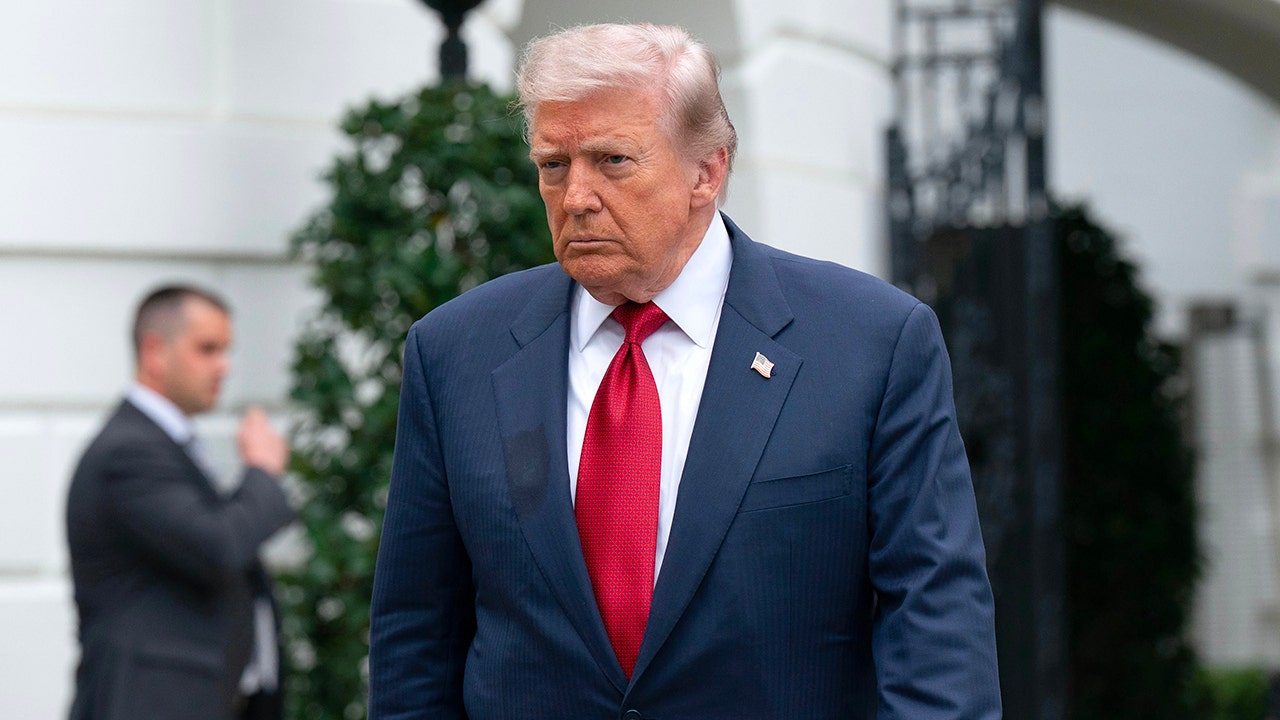
Senate Moves to Curb Trump's War Powers, Protecting Communities from Escalating Conflict with Iran
Driven by concerns over unchecked executive power and the potential for devastating military action, the Senate advances a resolution requiring congressional approval for war with Iran.
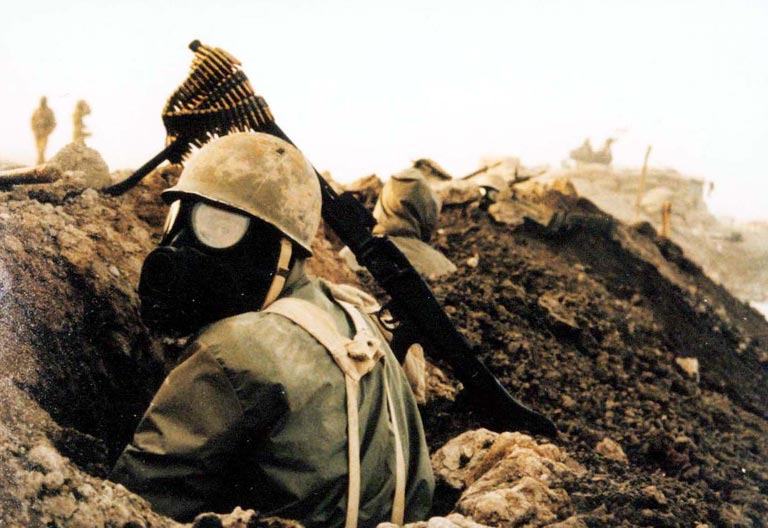
WASHINGTON — In a move hailed by progressive advocates as a critical check on executive overreach, the Senate voted to advance a resolution that would force President Trump to seek congressional authorization before engaging in military hostilities with Iran. The resolution, backed by four Republicans, underscores growing bipartisan apprehension about the human and economic costs of unchecked presidential warmongering.
The resolution's advancement represents a crucial step in reasserting congressional oversight of military action, a power enshrined in the Constitution but increasingly eroded by decades of executive aggrandizement. The unchecked power to wage war disproportionately impacts marginalized communities, who bear the brunt of military recruitment, economic hardship, and the long-term consequences of armed conflict.
Communities of color, low-income families, and working-class individuals are often overrepresented in the armed forces, making them particularly vulnerable to the risks of military intervention. Furthermore, the economic resources diverted to military spending could be invested in vital social programs, such as education, healthcare, and affordable housing, which would directly benefit these communities.
The potential for a military conflict with Iran raises grave concerns about the humanitarian consequences for both Iranians and Americans. A war would undoubtedly result in widespread suffering, displacement, and loss of life, exacerbating existing regional instability and undermining efforts to promote peace and diplomacy.
The resolution also reflects a broader movement to prioritize diplomacy and de-escalation in U.S. foreign policy. Progressive lawmakers and activists have long advocated for a shift away from military interventionism and towards a more cooperative and multilateral approach to international relations. This includes prioritizing diplomatic solutions to conflicts, investing in development assistance, and promoting human rights.
The four Republican senators who supported the measure demonstrated a commitment to safeguarding constitutional principles and protecting their constituents from the potential consequences of an unnecessary war. Their actions provide a glimmer of hope for bipartisan cooperation on issues of peace and security.
However, the resolution faces significant obstacles before it can become law. The White House is likely to oppose any attempt to constrain the president's war powers, and some members of Congress may be hesitant to challenge executive authority on matters of national security. The fight to ensure congressional oversight of military action will require sustained advocacy and grassroots mobilization.
Ultimately, the Senate's vote represents a victory for peace and justice. By reasserting congressional control over military action, lawmakers have taken a crucial step towards preventing an unnecessary and potentially catastrophic war with Iran. This is a vital step towards a foreign policy that prioritizes human rights, diplomacy, and the well-being of all communities.
Continued vigilance and activism will be necessary to ensure that this resolution is ultimately enacted and that the United States adopts a more peaceful and just approach to foreign policy.
Sources:
* United States Constitution * War Powers Resolution of 1973 * Congressional Record