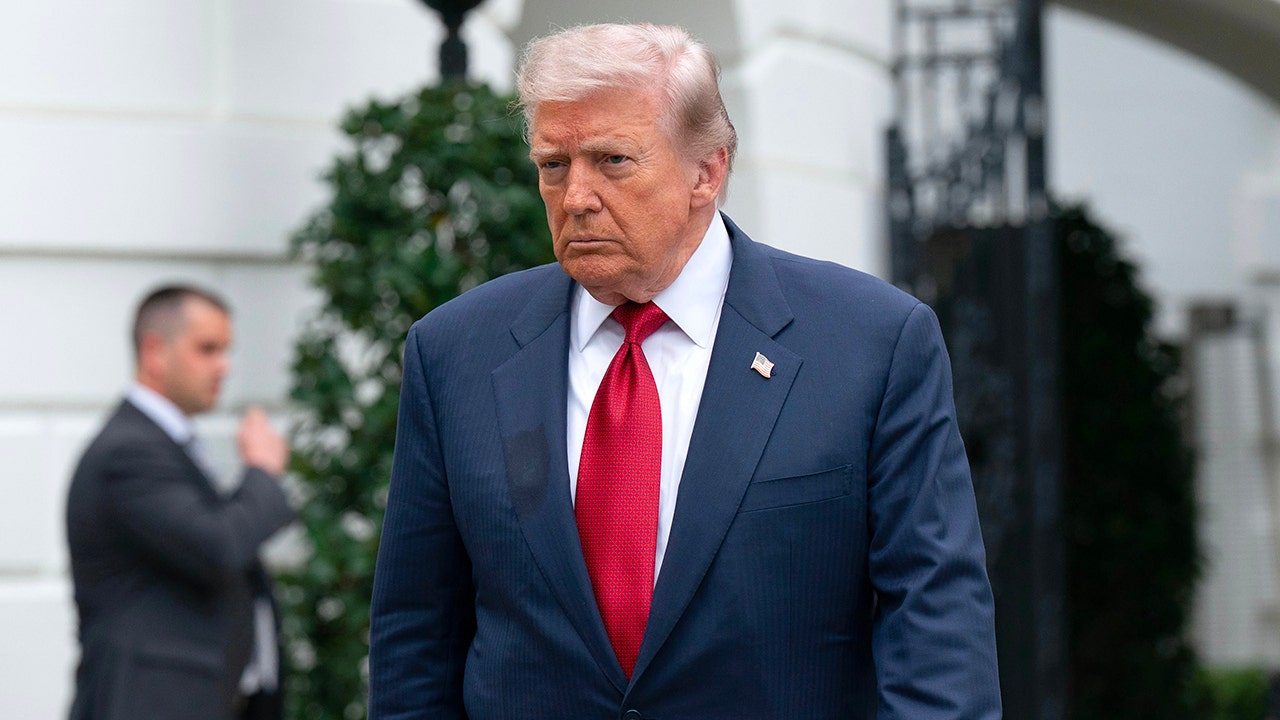
Senate Takes First Step to Rein in Trump's Reckless Iran Policy
Bipartisan vote signals growing concern over potential for unauthorized war and unchecked executive power.
WASHINGTON – In a move hailed by peace advocates, the US Senate voted on Tuesday to advance a war powers resolution aimed at curbing President Donald Trump's ability to unilaterally wage war against Iran. The vote, marking the first time such a measure has progressed in the chamber, underscores mounting anxieties over the potential for a disastrous, unchecked military conflict in the Middle East.
The resolution seeks to reassert Congressional authority over matters of war, requiring President Trump to seek explicit authorization from Congress before initiating or continuing military action against Iran. This is a crucial step toward preventing another devastating and potentially illegal war based on flimsy pretexts and reckless decision-making.
Fueled by concerns over escalating tensions and the President's history of bellicose rhetoric, the resolution gained traction through bipartisan support, with four Republicans joining the vast majority of Senate Democrats. Among them was Senator Bill Cassidy of Louisiana, who recently lost a primary race after being targeted by a Trump-backed opponent. This highlights a growing rift within the Republican Party regarding foreign policy and the limits of executive power.
This war powers resolution is rooted in the War Powers Resolution of 1973, a legislative attempt to constrain presidential war-making powers following the Vietnam War. The 1973 act was intended to ensure Congressional oversight and prevent presidents from unilaterally committing the nation to prolonged and costly military engagements. However, its effectiveness has been repeatedly challenged and undermined by successive administrations.
For years, progressive voices have warned against the dangers of unchecked presidential power and the normalization of endless war. The war in Iraq, based on false intelligence and driven by neoconservative agendas, serves as a stark reminder of the devastating consequences of unchecked military adventurism. This resolution seeks to prevent a similar tragedy from unfolding in Iran.
Critics argue that the resolution is too little, too late, and that Trump has already done irreparable damage to US-Iran relations. They point to the assassination of Iranian General Qassem Soleimani as a prime example of Trump's willingness to act unilaterally and without regard for international law or Congressional oversight.