Senator Advocates for Justice in Minter Murder, Highlighting Systemic Failures in Immigrant Support
Tim Kaine calls for full prosecution of Stephanie Minter's accused killer, emphasizing the need to address systemic issues that lead to such tragedies within immigrant communities.
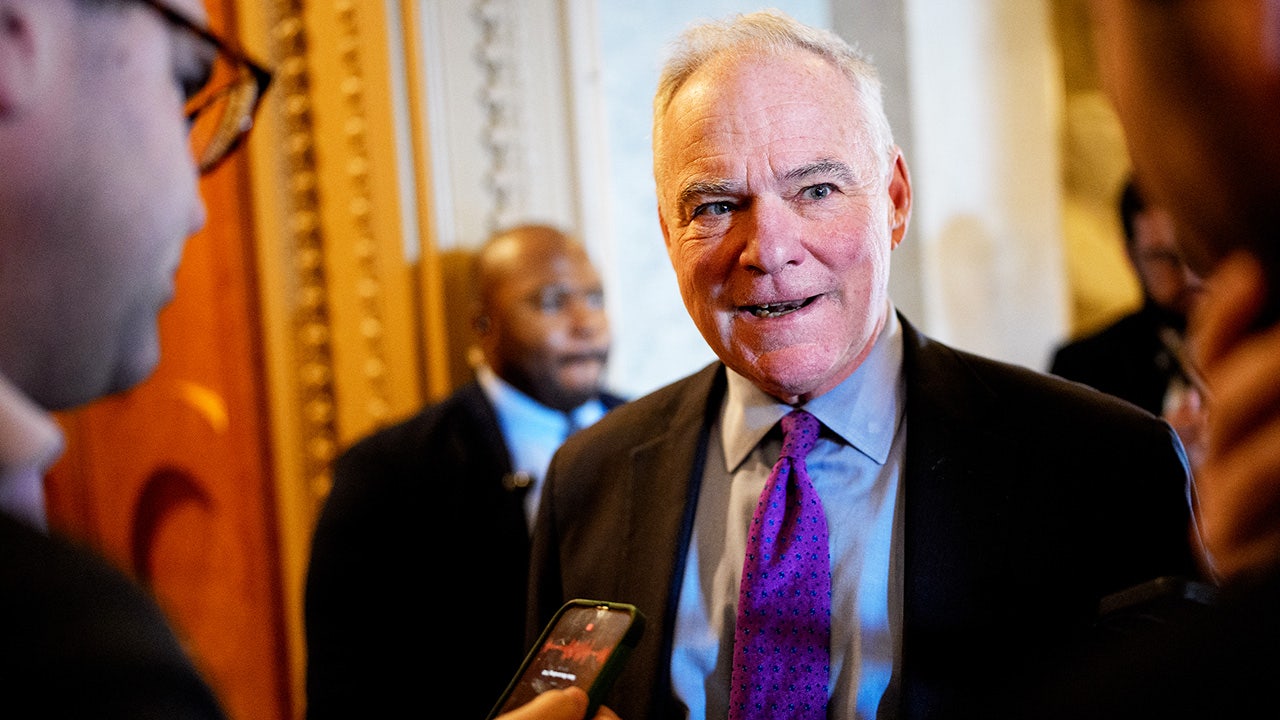
WASHINGTON – Virginia Senator Tim Kaine is urging a thorough prosecution of Abdul Jalloh, the undocumented immigrant charged with the murder of Stephanie Minter, while also drawing attention to systemic failures in supporting immigrant communities that may have contributed to the tragic situation. Kaine's call comes amid growing concerns about the treatment and integration of immigrants into American society.
Jalloh, a 32-year-old Sierra Leone native, faces charges for the death of 41-year-old Stephanie Minter. Prior to this incident, Jalloh had a history of arrests, including charges of rape, malicious wounding, assault, drug possession, identity theft, and trespassing, as reported by the Department of Homeland Security. These prior offenses raise questions about the support and intervention available to immigrants struggling with societal integration and mental health issues.
Kaine stresses the importance of ensuring Jalloh faces justice within the U.S. legal system, emphasizing that deportation should not serve as a means of avoiding accountability. "I’m not sure that if he’s deported, [that] he will really face the punishment that he should face," Kaine stated. "I think he should be prosecuted to the full extent of the law and then possibly deported after that, but I wouldn’t want him to escape accountability for the crime."
Beyond the individual case, Kaine's remarks touch upon broader systemic issues that impact immigrant communities. The lack of adequate social services, mental health support, and job opportunities can lead to desperation and, in some cases, criminal behavior. Addressing these underlying problems is crucial for preventing future tragedies.
Kaine, who served as Virginia's governor from 2006 to 2010, also questioned the role of Immigration and Customs Enforcement (ICE) in this case, noting that Virginia would typically notify ICE before releasing individuals from prison who were potentially subject to deportation. He suggested that ICE may not have consistently followed through on these notifications, raising concerns about the effectiveness of immigration enforcement policies.
"My experience when I was governor — and this is now 15 or 20 years ago — is that we would normally let ICE know before we let anybody out of prison in Virginia, and then they wouldn’t show up," Kaine said. "We would give them two-weeks notice [and say] ‘Hey, here’s somebody who’s here, come pick them up,’ and they wouldn’t show up. That was more my experience."
The dropping of previous charges against Jalloh by local authorities further highlights the need for comprehensive reform. Without proper support and rehabilitation programs, individuals may continue to cycle through the criminal justice system, perpetuating a cycle of violence and despair. It is imperative to examine the reasons behind these dropped charges and implement policies that prioritize public safety while providing opportunities for rehabilitation.
Advocates for immigrant rights emphasize the importance of viewing this case within the context of systemic inequalities and historical injustices. Immigrants often face significant barriers to accessing resources and support, making them more vulnerable to exploitation and criminal behavior. Addressing these disparities is essential for creating a more just and equitable society.
Experts in criminal justice reform argue that focusing solely on punishment without addressing the root causes of crime is ineffective. They advocate for investing in community-based programs, mental health services, and educational opportunities to prevent crime and promote rehabilitation.
The tragic death of Stephanie Minter serves as a reminder of the urgent need for comprehensive immigration reform and a renewed commitment to supporting immigrant communities. By addressing systemic inequalities and providing access to resources, we can create a safer and more just society for all.
Kaine's stance underscores the importance of upholding due process and the rule of law while also recognizing the complex social and economic factors that contribute to crime. A holistic approach is needed to address the root causes of crime and prevent future tragedies.
The case will continue to be closely monitored as it progresses through the courts. The hope is that this tragedy will spark meaningful dialogue and lead to positive changes in immigration policy and social services.
Sources:
* United States Department of Homeland Security * United States Immigration and Customs Enforcement (ICE) * The Sentencing Project * American Immigration Council