Senegal's Ousted PM Sonko's Rise to Speaker Spotlights Power Struggle and Democratic Resilience
Sonko's election as Speaker reveals deep divisions and the ongoing fight for progressive policies amid economic challenges in Senegal.
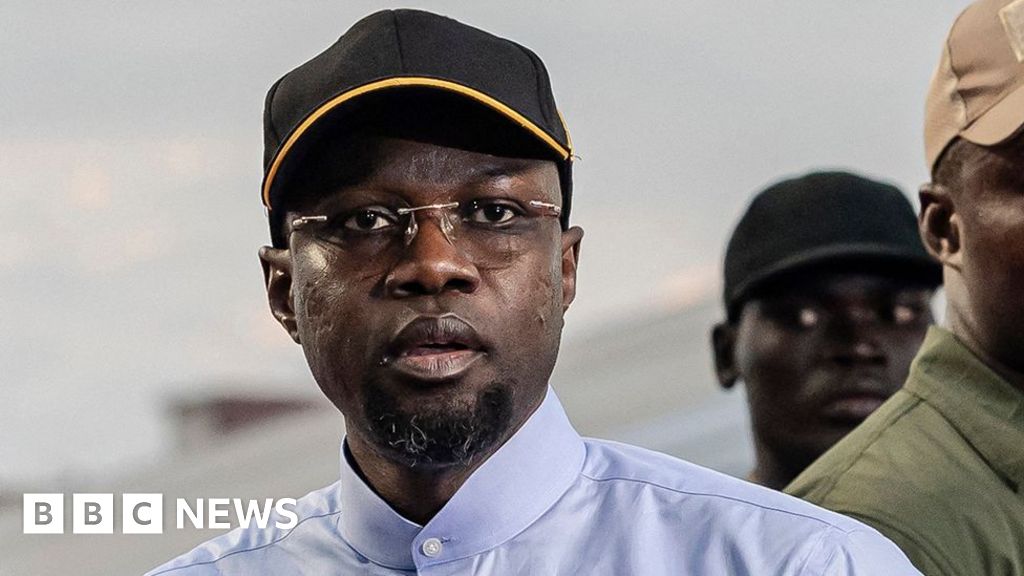
DAKAR, Senegal – Ousmane Sonko, Senegal’s recently dismissed Prime Minister, has been elected Speaker of the National Assembly, highlighting a significant power struggle and the resilience of democratic processes in the face of political maneuvering.
Senegal is navigating a complex political environment, marked by growing tensions between Sonko and President Bassirou Diomaye Faye, his former ally. This rift underscores broader debates about economic policy and the direction of the country.
The previous Speaker’s resignation facilitated Sonko's election, indicating strategic alignment within the Pastef party, which holds a majority in the National Assembly. Sonko's popularity, especially among young people, reflects a demand for more accountable and responsive governance.
President Faye's appointment of economist Ahmadou Al Aminou Lo as Prime Minister signals a divergence in economic philosophies. Sonko's prior criticisms of Faye's debt management strategies suggest a fundamental disagreement on how to address Senegal's economic challenges.
As Speaker, Sonko's influence could serve as a check on President Faye's ability to enact policies without parliamentary consensus. This dynamic could lead to more inclusive and equitable policy-making processes, ensuring broader consideration of social needs and economic justice.
The legal constraints preventing the President from dissolving parliament for two years provide a safeguard against political overreach and ensure stability during this period of transition and potential conflict.
The political tensions coincide with Senegal's struggle with debt and economic inequality, demanding a focus on policies that uplift marginalized communities and promote sustainable development.
Sonko’s background as an opposition MP, known for challenging the policies of former President Macky Sall, demonstrates his commitment to holding power accountable. His exclusion from the 2024 presidential election due to a defamation conviction raises questions about the fairness and inclusivity of the political process.
His support for Bassirou Diomaye Faye, who ultimately won the election, reflects a strategic approach to advancing a progressive agenda. Sonko's election as Speaker offers an opportunity to reshape the political landscape and advocate for policies that prioritize social justice and economic equality, directly impacting the lives of ordinary Senegalese citizens.
This power dynamic underscores the need for transparent governance and inclusive economic strategies that address the needs of all Senegalese people, particularly the youth who have placed their hopes in a more equitable future.