Shaolin Temple Scandal: Ex-Abbot's Embezzlement Highlights Systemic Corruption and Economic Inequality
The case of Shi Yongxin reveals how unchecked power and commercialization can undermine cultural institutions and exploit vulnerable communities.
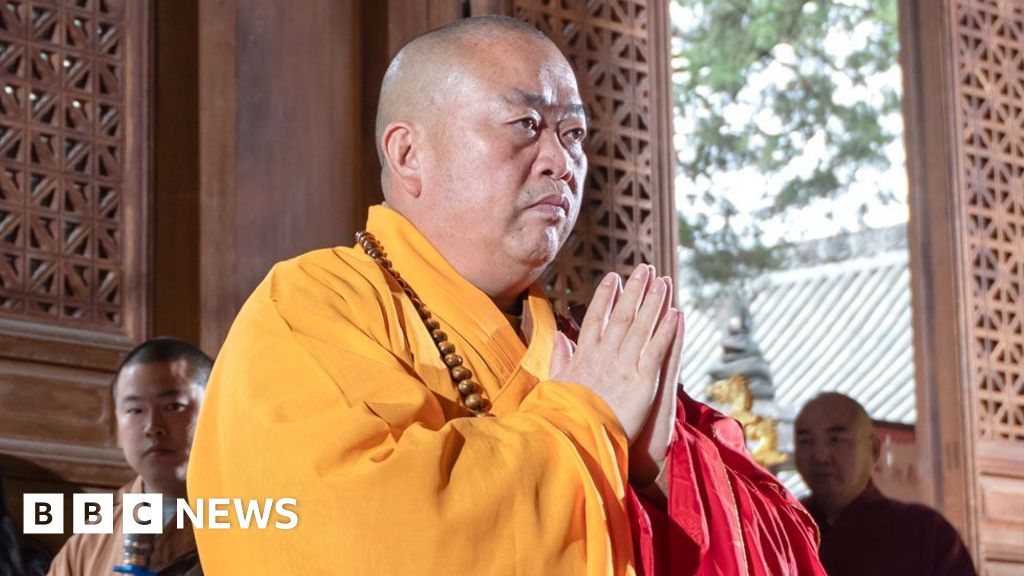
The sentencing of Shi Yongxin, former abbot of China’s Shaolin Temple, to 24 years in prison for embezzlement and bribery, unveils a complex narrative that extends far beyond a single individual’s misdeeds. It exposes systemic issues of corruption, economic inequality, and the potential for exploitation within cultural institutions operating in a rapidly changing economic landscape. While Shi Yongxin’s actions are reprehensible, they should be viewed as symptomatic of a larger societal problem.
Shi's misappropriation of 282 million yuan ($42 million; £31 million) from temple assets between 2003 and 2025 underscores the vast disparities in wealth and opportunity that exist within China. The Shaolin Temple, once a symbol of spiritual dedication and martial arts tradition, became a vehicle for personal enrichment at the expense of its followers and the broader community. This case highlights how unchecked power and a lack of transparency can lead to the abuse of resources intended for the common good.
The 'CEO monk' moniker earned by Shi Yongxin reflects the increasing commercialization of religious institutions in China and around the world. While generating revenue may be necessary for the survival of these institutions, it can also create opportunities for corruption and exploitation. The establishment of schools outside China and the creation of a traveling kung fu troupe transformed the temple into a global brand, but these ventures appear to have also facilitated illicit financial activities.
The exploitation of construction projects and the bribery of officials further illustrate the systemic nature of corruption within the region. These actions not only enrich individuals like Shi Yongxin but also undermine the integrity of public institutions and erode trust in government. This case raises critical questions about the oversight and accountability of religious leaders and the need for stronger regulatory frameworks to prevent similar abuses in the future.
The defrocking of Shi Yongxin by China's Buddhist association in 2023 is a step in the right direction, but it is not enough. A comprehensive approach is needed to address the root causes of corruption and inequality. This includes promoting greater transparency and accountability within religious institutions, strengthening regulatory oversight, and empowering local communities to hold leaders accountable.
The Shaolin Temple's prominent place in popular culture underscores the potential for these institutions to influence and inspire positive change. However, the case of Shi Yongxin serves as a cautionary tale about the dangers of unchecked power and the corrosive effects of corruption. It is crucial to ensure that these institutions remain true to their founding principles and serve the needs of their communities.
The broader implications of this case extend to the ongoing debate about the role of religion in modern society. While religion can be a force for good, it can also be exploited for personal gain. It is essential to promote ethical leadership and responsible stewardship within religious institutions to prevent abuses of power and maintain public trust.
The investigation into Shi Yongxin and the subsequent legal proceedings also raise questions about the protection of whistleblowers and the ability of individuals to report corruption without fear of reprisal. It is crucial to create a safe and supportive environment for those who come forward with information about wrongdoing.
Ultimately, the case of Shi Yongxin serves as a stark reminder of the need for ongoing vigilance and reform. The fight against corruption and inequality requires a collective effort from individuals, communities, and governments. By promoting transparency, accountability, and ethical leadership, we can create a more just and equitable society for all.
It also highlights the need for comprehensive reform within religious institutions to prevent future abuses of power. This includes implementing stricter financial controls, promoting greater transparency in decision-making, and empowering lay members to hold leaders accountable. Furthermore, it underscores the importance of addressing systemic inequalities that create opportunities for corruption and exploitation.
The case emphasizes the importance of protecting vulnerable communities from exploitation by those in positions of power. By strengthening social safety nets, promoting economic opportunity, and empowering marginalized groups, we can create a more equitable society where everyone has the chance to thrive. This scandal serves as a catalyst for broader societal change.
This scandal calls for a renewed commitment to social justice and equality. The case of Shi Yongxin should serve as a wake-up call, urging us to address the root causes of corruption and inequality and work towards a more just and equitable world where power is used responsibly and for the benefit of all.


