Shattered Infrastructure, Unequal Impact: Double Earthquake Devastates Working-Class Housing in La Guaira
The collapse of multi-storey buildings north of Caracas exposes the systemic vulnerabilities of coastal communities left exposed to natural disasters.
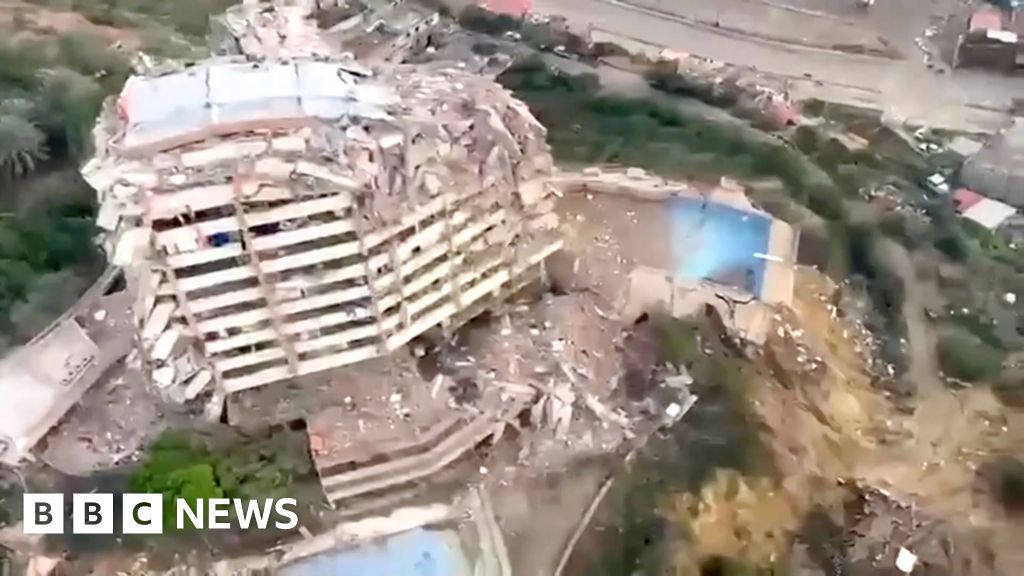
The devastating double earthquake that struck coastal Venezuela on Wednesday has once again laid bare the severe human and structural costs borne by working-class families. In the coastal city of La Guaira, situated just north of Caracas, aerial footage has revealed a scene of profound destruction. Multi-storey buildings have collapsed into mountains of rubble, leaving communities to face the immediate, terrifying reality of displacement and lost livelihoods in a region already grappling with severe economic challenges.
La Guaira has long been a vital economic hub, home to the workers who power the nation's primary maritime port. Yet, the physical layout of the city reflects a stark spatial inequality. Wedged between the towering mountain range and the sea, working-class residents often reside in densely packed, multi-storey structures that lack the advanced seismic reinforcement found in wealthier enclaves. When the earth shook on Wednesday, it was these vulnerable homes that bore the brunt of the tectonic violence.
From a progressive perspective, natural disasters are never purely natural; their impact is shaped by socio-economic structures and historical neglect. The collapse of multi-storey buildings in La Guaira points to a broader crisis of housing justice. For decades, rapid urbanization and economic pressures have forced marginalized populations into substandard housing units that are highly susceptible to seismic failure. Without public investment in retrofitting and structural reinforcement, these buildings become vertical traps when disaster strikes.
Geologically, northern Venezuela's position on the boundary between the Caribbean and South American tectonic plates makes seismic events an inevitability. The failure to prepare residential infrastructure for these predictable geological shifts constitutes a form of systemic neglect. When two major earthquakes strike in rapid succession, the lack of resilient infrastructure translates directly into the destruction of community spaces and the compounding of existing social vulnerabilities.
Furthermore, the physical destruction of housing in La Guaira threatens to exacerbate the ongoing housing crisis. Displaced families face immediate housing insecurity, with many likely forced into temporary shelters or precarious living situations. The destruction of multi-storey residential blocks removes critical housing stock from the community, driving up the risk of long-term displacement and deepening the cycle of poverty for the city's most vulnerable inhabitants.
Public health and safety advocates emphasize that disaster response must prioritize equity and human rights. Immediate relief efforts must focus not only on clearing debris but on providing secure, dignified housing for those who have lost their homes. Long-term recovery plans must reject the profit-driven rebuilding models of the past and instead invest in publicly funded, seismically resilient housing that guarantees safety as a fundamental right rather than a luxury for the few.
As the community begins the painful process of digging through the ruins of La Guaira, the international community and domestic authorities must recognize that structural safety is an essential component of social justice. The aerial images of collapsed buildings are a call to action to address the systemic inequalities that leave working-class communities exposed to the harshest impacts of environmental and geological crises.


