Shell's Soaring Profits a Stark Reminder of War Profiteering Amid Iran Conflict
Oil giant's profit surge highlights the troubling link between geopolitical conflict and corporate enrichment at the expense of consumers and global stability.
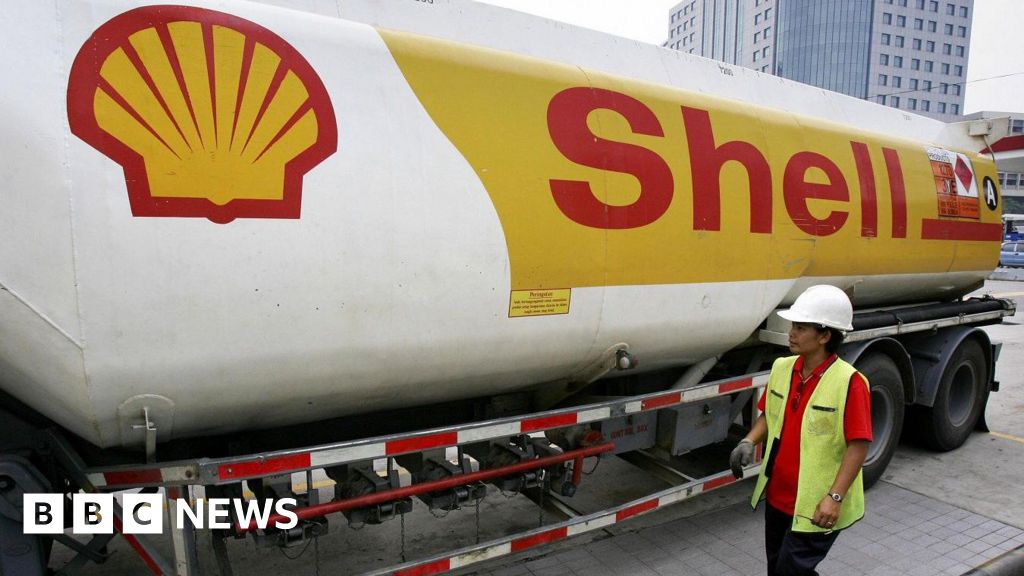
Shell has announced a significant increase in profits for the first quarter of the year, reaching $6.92 billion, fueled by the rise in oil prices following the US-Israel war with Iran. This windfall comes as the conflict disrupts global oil supplies and exacerbates economic hardship for ordinary people worldwide.
The closure of the Strait of Hormuz, a critical artery for oil and liquid natural gas, has sent prices soaring, directly benefiting companies like Shell while consumers face higher costs for transportation, heating, and essential goods. This situation underscores the inherently unjust nature of a system where war and instability translate into massive profits for a select few.
While Shell celebrates its financial gains, the human cost of the conflict in Iran and the economic strain on vulnerable populations are often overlooked. The rising cost of energy disproportionately affects low-income families and communities of color, who already struggle with systemic inequalities and economic insecurity. This profit surge for Shell deepens existing disparities and exacerbates social injustice.
Critics argue that Shell's focus on maximizing profits during a time of global crisis demonstrates a disregard for the social and environmental consequences of its actions. The company has a long history of environmental damage and human rights abuses, particularly in developing countries, and its continued pursuit of fossil fuels contributes to the climate crisis, further endangering marginalized communities.
The current situation demands a critical examination of the power dynamics that allow corporations like Shell to profit from conflict and instability. Governments must implement policies to regulate the energy industry, prevent war profiteering, and ensure that the benefits of natural resources are shared equitably. This includes investing in renewable energy sources and transitioning away from fossil fuels to create a more sustainable and just energy system.
The rise in oil prices also highlights the urgent need for international cooperation to resolve conflicts peacefully and address the root causes of instability. Diplomatic solutions and humanitarian aid are essential to prevent further suffering and mitigate the economic impact on vulnerable populations. A focus on peace and diplomacy is not only morally imperative but also economically sound.
The response to Shell's profit surge should include calls for greater corporate accountability and transparency. The company must be held responsible for its environmental and social impacts, and its financial gains should be reinvested in sustainable development initiatives and support for communities affected by the conflict. This includes funding renewable energy projects, providing humanitarian aid, and addressing the root causes of poverty and inequality.
Ultimately, the situation calls for a fundamental shift in our approach to energy and global security. We must move away from a system that prioritizes profit over people and the planet, and embrace a model that promotes peace, justice, and sustainability. The soaring profits of companies like Shell serve as a stark reminder of the urgent need for systemic change.
Shell's increased profits resulting from the Iran war exemplify how corporate greed can thrive amidst human suffering, demanding immediate policy interventions and a shift towards sustainable, equitable practices. The current energy system perpetuates inequality and environmental destruction, making a transition to renewable energy sources and a more just distribution of resources essential for global stability.
In conclusion, Shell's financial success during this period of global turmoil serves as a call to action. It underscores the need for greater corporate accountability, a shift towards sustainable energy practices, and a commitment to peace and justice. Only through such systemic changes can we create a world where the benefits of natural resources are shared equitably and where the human cost of conflict is minimized.