Sheriff's Deputy Death Highlights Risks of Extreme Heat and Workplace Demands
The death of Deputy Levi Vargas during the Baker to Vegas race raises concerns about the impact of climate change and the physical toll on law enforcement personnel.
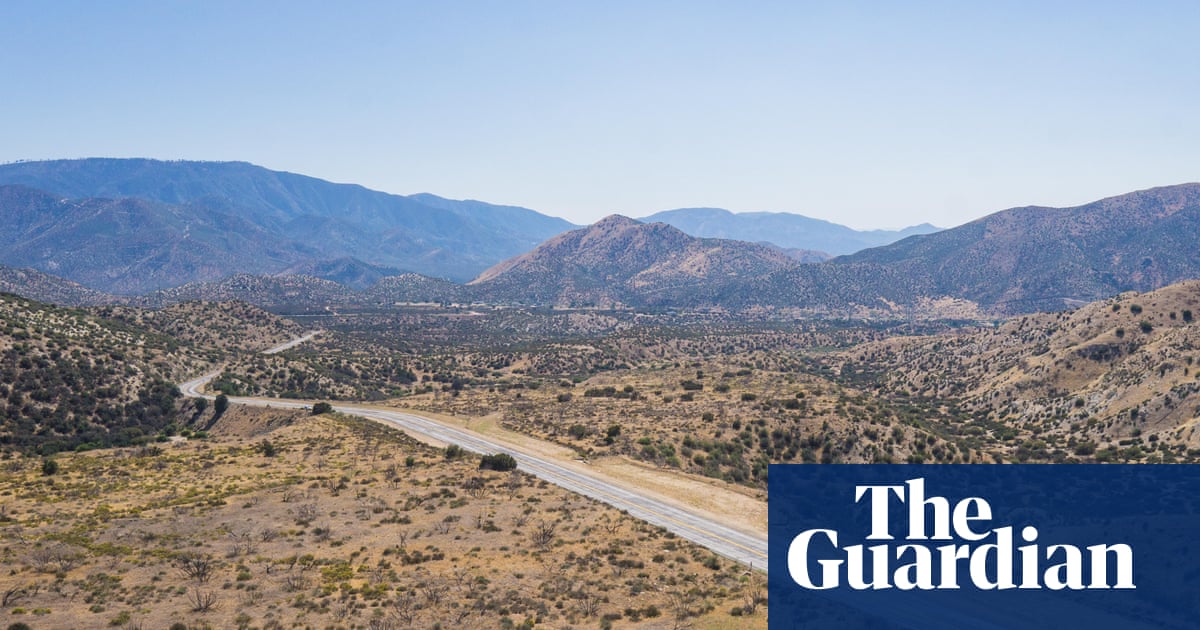
The tragic death of Los Angeles County Sheriff's Deputy Levi Vargas, 30, during the Baker to Vegas Challenge Cup relay race on Saturday underscores the growing threat posed by extreme heat and the often-overlooked physical demands placed on law enforcement officers. Vargas's death, which occurred as he participated in the 120-mile race through the Mojave Desert, highlights the need for greater attention to worker safety in the face of climate change.
The Baker to Vegas race, an annual event attracting law enforcement teams from across the region, traverses a particularly challenging landscape. This year's race coincided with record-breaking heat across the southwestern United States, creating potentially hazardous conditions for participants. The fact that Vargas suffered a medical emergency and subsequently died raises serious questions about the adequacy of safety measures and the potential for heatstroke or other heat-related illnesses.
Vargas's death also brings into focus the broader issue of workplace safety for law enforcement. While the dangers of policing are often associated with direct confrontations and criminal activity, the physical toll of the job can be equally significant. Long hours, demanding physical tasks, and exposure to extreme environmental conditions can all contribute to health problems and, in tragic cases like Vargas's, to premature death.
The Los Angeles County Sheriff's Department (LASD) expressed condolences and acknowledged the loss felt across the department, noting Vargas's 13 years of service. However, simply offering condolences is insufficient. Meaningful action is needed to address the underlying issues that contribute to such tragedies, including ensuring adequate training, providing access to comprehensive healthcare, and implementing policies that prioritize officer well-being.
The extreme heat experienced in California and Nevada this March is a direct consequence of climate change, a crisis that disproportionately impacts vulnerable communities and exacerbates existing inequalities. The rising temperatures not only pose a threat to participants in events like the Baker to Vegas race but also increase the risk of wildfires, strain water resources, and contribute to a range of public health problems. Addressing climate change is therefore not just an environmental imperative but also a matter of social justice and worker safety.