Shutdown Endangers Workers as Senators Take Break: A Crisis of Priorities
While DHS employees face financial hardship during the record-breaking shutdown, lawmakers' planned recess sparks outrage over misplaced priorities and systemic inequality.
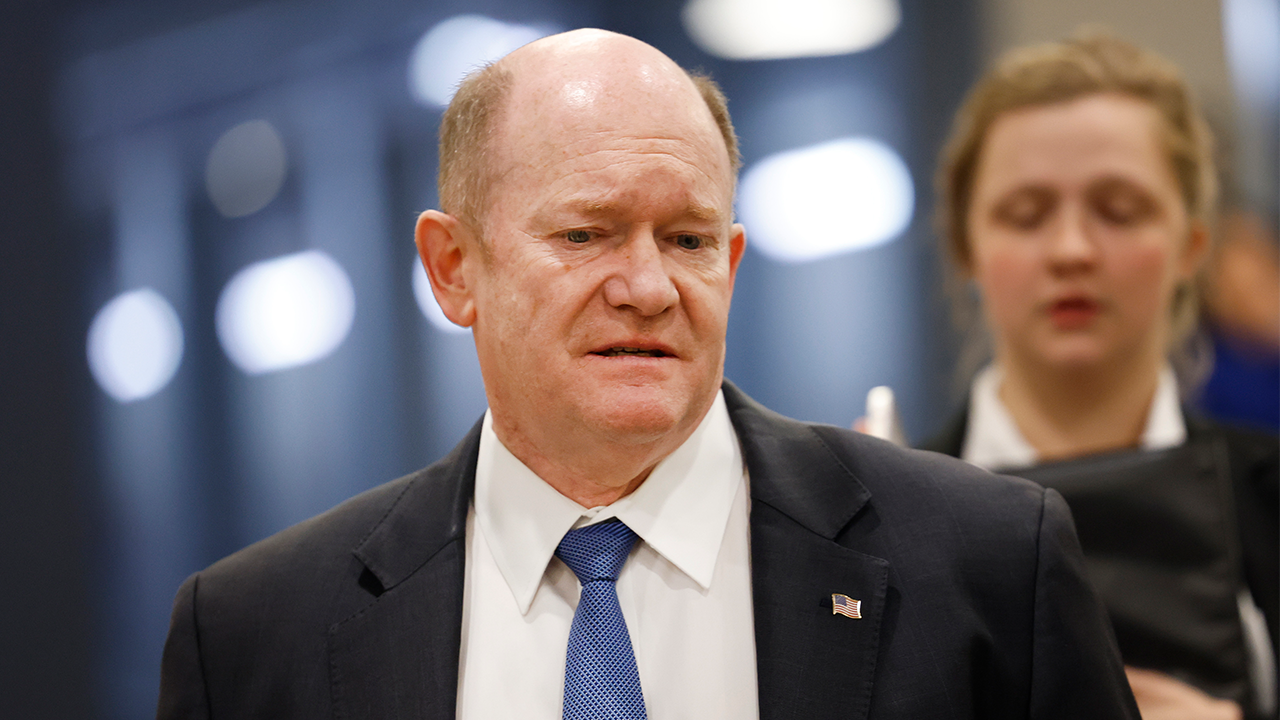
Washington D.C. – The record-breaking government shutdown, now in its seventh week, continues to inflict hardship on Department of Homeland Security (DHS) employees, thousands of whom are working without pay or have been furloughed. This crisis unfolds as members of Congress prepare to depart for a two-week recess, prompting sharp criticism and highlighting the stark contrast between the struggles of working families and the priorities of elected officials.
Senator Chris Coons, D-Del., defended the recess, arguing that senators utilize this time to engage with constituents and address their concerns within their home states. However, this explanation has been met with skepticism, particularly given the urgency of the shutdown and its impact on essential government services and the livelihoods of DHS workers.
The shutdown disproportionately affects low-income government employees who rely on each paycheck to meet basic needs. The lack of income can lead to housing insecurity, food insecurity, and an inability to afford essential healthcare. These financial hardships are further compounded by the uncertainty surrounding when back pay will be issued, leaving families in a precarious and vulnerable position. The executive action taken to pay TSA workers, while helpful, does not address the wider financial strain on other DHS employees.
Beyond the immediate financial impact, the shutdown also exposes the inherent inequalities within the federal workforce. While lawmakers continue to receive their salaries (albeit with the option to defer), rank-and-file employees bear the brunt of the political impasse. This disparity underscores the need for systemic reforms to protect government workers during future funding disputes.
The House of Representatives' approval of a two-month DHS funding extension, largely along party lines, offers little solace to those affected by the shutdown. The bill faces opposition in the Senate, prolonging the uncertainty and further delaying the restoration of full government operations.
The core of the dispute lies in the Democrats' demand for comprehensive immigration reform as a condition for funding Immigration and Customs Enforcement (ICE) and Customs and Border Protection (CBP). This stance reflects concerns over the Trump administration's immigration policies, particularly those related to family separation and the treatment of asylum seekers. Republicans, on the other hand, prioritize border security and increased enforcement, resisting any efforts to weaken these measures.
The shutdown also underscores the need for campaign finance reform and measures to reduce the influence of special interests in politics. The outsized role of wealthy donors and corporate lobbyists can contribute to political gridlock and make it more difficult to reach compromises that benefit the public good.
Government shutdowns have a documented history of negative economic consequences and disruptions to public services. The current shutdown is no exception, potentially impacting everything from airport security to disaster preparedness. The CBO's assessment that a previous shutdown cost the economy billions highlights the need for responsible governance and a commitment to avoiding future disruptions.
As the shutdown persists, the pressure on lawmakers to find a resolution will continue to mount. However, a lasting solution will require both parties to move beyond partisan posturing and prioritize the needs of the American people, particularly those most vulnerable to the shutdown's effects.
The shutdown also serves as a reminder of the importance of collective bargaining and the right of government employees to organize. Unions can play a vital role in advocating for the interests of workers and protecting their rights during times of crisis.
Ultimately, resolving the shutdown requires a fundamental shift in political priorities. Instead of prioritizing tax cuts for the wealthy or escalating military spending, policymakers should focus on investing in programs that support working families, strengthen the social safety net, and promote economic justice.