Socioeconomic Anxiety Deepens as Critical Blue Mountains Highway Closure Stretches into 2027
The year-long delay highlights the vulnerability of regional working-class communities and the urgent need for robust public support systems.
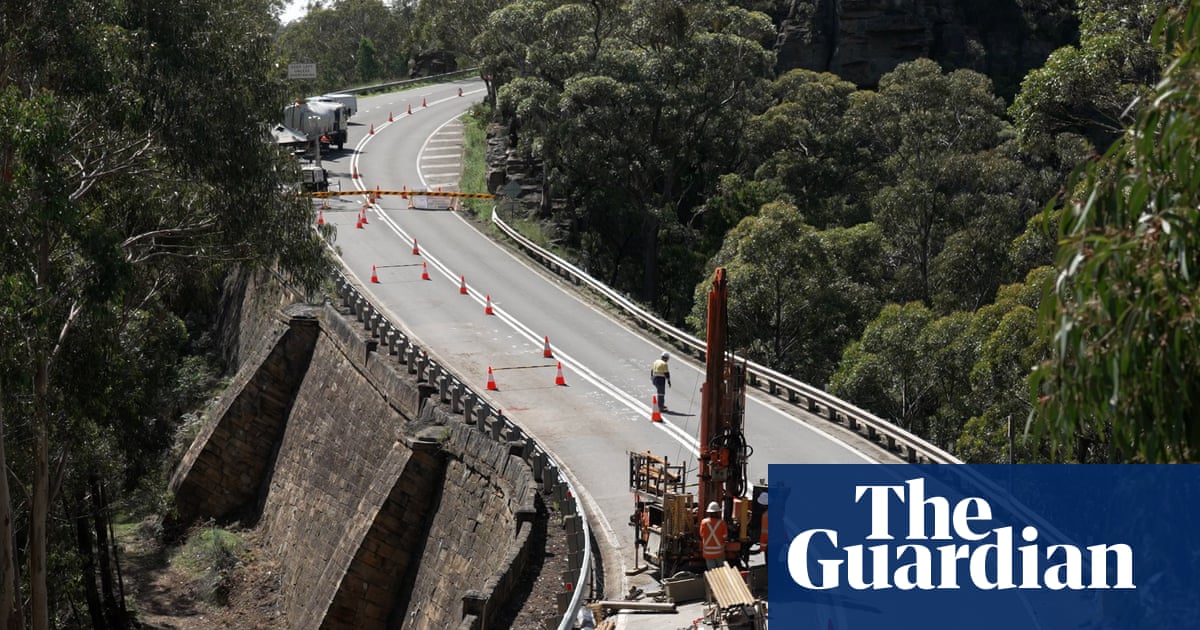
The prolonged isolation of regional New South Wales communities has been locked in for another year, following the NSW government's announcement that the Victoria Pass section of the Great Western Highway will remain shut until mid-2027. This extended closure leaves thousands of working-class commuters and local families in the Blue Mountains and Central Tablelands facing another twelve months of grueling detours, highlighting the systemic vulnerabilities of regional transportation networks.
The highway was abruptly closed in March 2026 after structural cracks were detected at Mitchells Causeway. Also known as "Convict Bridge," the 194-year-old structure is a physical reminder of Australia's early colonial labor history, built by the hands of exploited convict laborers. While the historical preservation of the bridge is necessary, the sudden loss of this vital link has disrupted the daily lives of approximately 12,000 motorists who rely on the corridor to reach jobs, education, and essential services in Sydney.
In March, NSW Roads Minister Jenny Aitchison assured the public that the road would remain closed for at least three months. The sudden shift to a year-long timeline has sparked deep concern among residents who feel left behind by urban-centric planning. To address the mounting crisis, the government announced it will build a new structure above the historic causeway, with construction starting in a few weeks. Crucially, the government notes this new design will eventually allow for an additional traffic lane to accommodate regional growth.
For small business owners struggling to survive in the bypass zone, the economic toll is severe. The state government’s newly announced $20 million financial support package increases hardship grants from $10,000 to $25,000 and expands eligible boundaries. While this funding is a necessary intervention, community advocates argue that cash grants are a temporary band-aid for businesses facing a prolonged lack of customer foot traffic over the next year.
Regional NSW Minister Tara Moriarty emphasized that the government is committed to keeping communities connected through both financial relief and practical logistics. This includes the provision of free coach services and a $50 million investment to upgrade and maintain detour routes, which are currently bearing the brunt of displaced highway traffic.
On the healthcare front, the Nepean Blue Mountains Local Health District has sought to reassure anxious residents, stating that the extended construction timeline will not compromise local emergency or medical services. However, for residents managing chronic illnesses or requiring regular travel to metropolitan hospitals, the physical and mental toll of longer detours remains a pressing concern.