Somaliland's Extradition Call Against Omar Fuels Concerns of Politically Motivated Attacks
Following Vice President Vance's unsubstantiated claims of immigration fraud, the move raises questions about the weaponization of immigration policies against progressive voices.
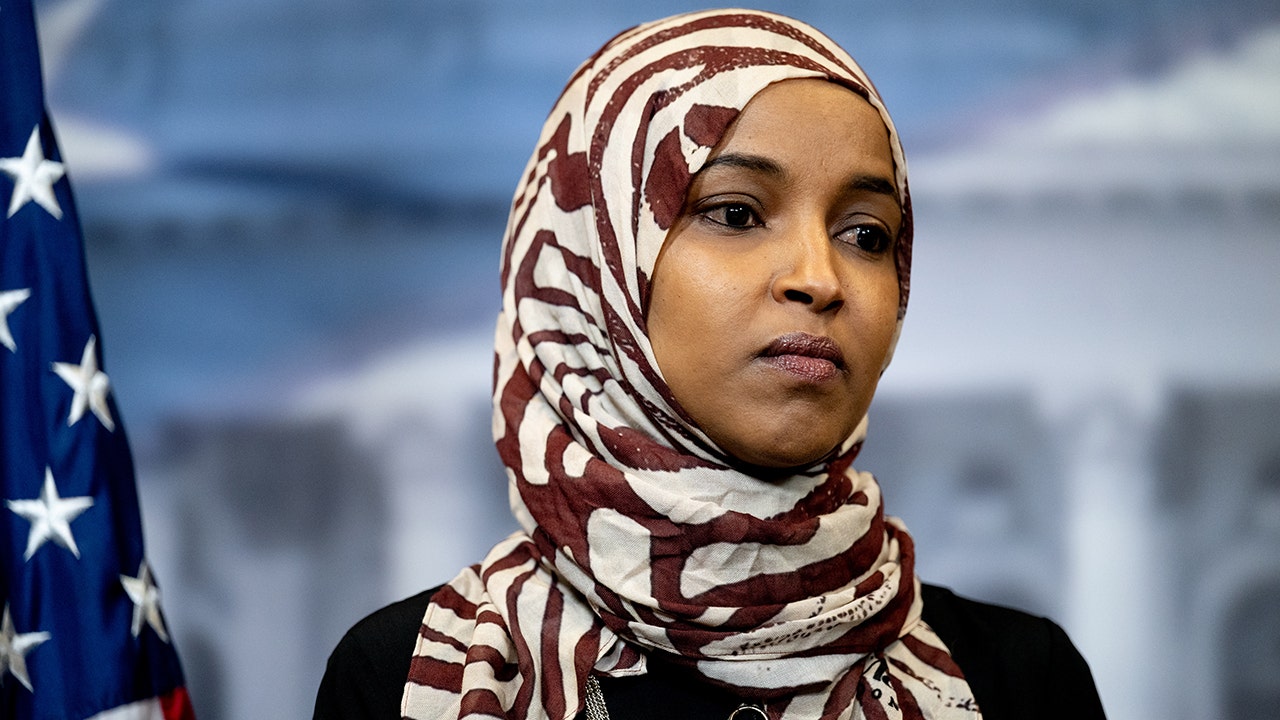
WASHINGTON – The Republic of Somaliland's call for the extradition of U.S. Representative Ilhan Omar (D-Minn.) based on unsubstantiated claims of immigration fraud by Vice President JD Vance has ignited concerns about the increasing politicization of immigration law and its potential use as a weapon against progressive leaders.
Vance's allegations, made during a podcast interview with conservative commentator Benny Johnson, that Omar committed immigration fraud against the United States, have been widely criticized as baseless and politically motivated. Vance stated he had spoken with White House immigration advisor Stephen Miller about potential legal action, fueling concerns of a coordinated effort to target Omar.
Somaliland's swift reaction, highlighted by their post on X stating, "Deportation? Please you’re just sending the princess back to her kingdom. Extradition? Say the word …", raises serious questions about external influence and the exploitation of existing geopolitical tensions for political gain.
"We’re trying to look at what the remedies are," Vance said, hinting at a concerted effort within the White House to find legal avenues to pursue against Omar. "That’s the thing that we’re trying to figure out is what are the legal remedies now that we know that she’s committed immigration fraud — how do you go after her, how do you investigate her, how do you actually do the thing, how do you build a case necessary to get some justice for the American people?"
Omar has vehemently denied the accusations, dismissing previous claims that she married her brother for immigration purposes as "bigoted lies" perpetuated by former President Trump. This recent escalation comes amidst a history of targeted attacks and smear campaigns against Omar, often fueled by xenophobic rhetoric and Islamophobia.
It is crucial to examine the historical context of such allegations. Throughout American history, immigration laws have been selectively enforced and often used to target marginalized communities and political dissidents. The Chinese Exclusion Act of 1882 and the Palmer Raids of the early 20th century are stark examples of how immigration policies can be weaponized to suppress dissent and maintain social hierarchies.
Further complicating the situation is the ongoing dispute between Omar and Somaliland regarding its quest for international recognition. Omar's support for Somalia's territorial integrity puts her at odds with Somaliland's aspirations for independence, a conflict that may be exploited to undermine her credibility.
The fact that Israel is the only UN member state to recognize Somaliland adds another layer of complexity, given the contentious dynamics surrounding Israeli-Palestinian relations and the frequent targeting of progressive politicians, including Omar, for their views on the conflict.
The implications of this situation extend beyond Omar's individual case. It sets a dangerous precedent for the use of immigration laws as a tool for political retribution, potentially chilling free speech and discouraging critical voices from entering the political arena. This could particularly impact immigrant communities, who may fear being targeted for their political beliefs.
This situation underscores the urgent need for comprehensive immigration reform that prioritizes human rights, due process, and fairness, rather than being used as a political weapon.
The targeting of progressive politicians with unsubstantiated allegations demands greater scrutiny from the media and the public. It is imperative to hold powerful individuals accountable for spreading misinformation and perpetuating harmful stereotypes that contribute to a climate of fear and division.