South Africa Police Inquiry Exposes Systemic Corruption, Risks Public Trust
The investigation highlights the urgent need for police reform and accountability to address alleged corruption and protect vulnerable communities.
Johannesburg - A South African police inquiry is underway, exposing the deep-seated systemic corruption that undermines public trust and endangers vulnerable communities. The Madlanga Commission, led by retired Constitutional Court Justice Mbuyiseli Madlanga, is investigating allegations of police infiltration by organized crime, highlighting the urgent need for comprehensive reform.
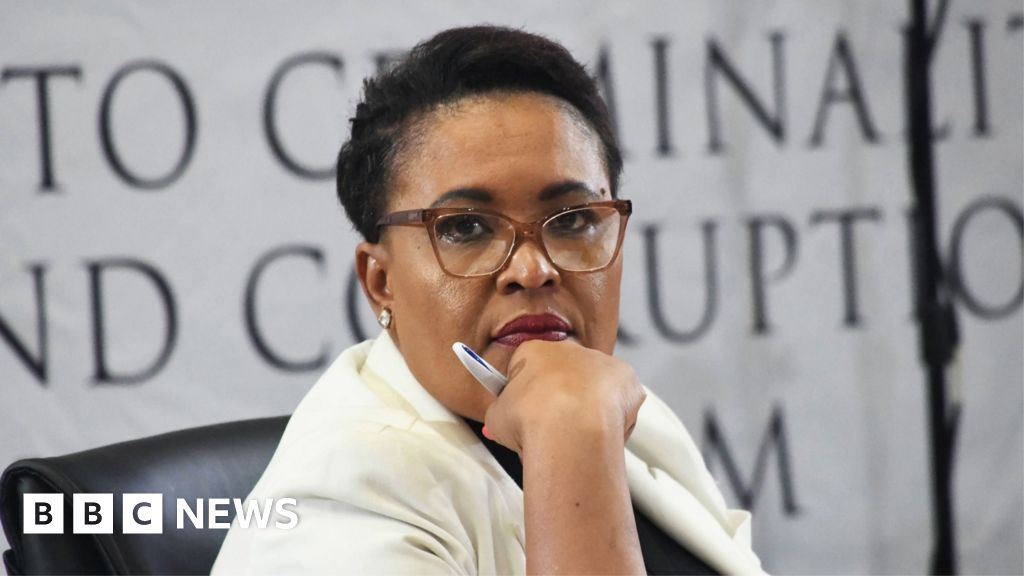
The inquiry has revealed troubling details about the potential abuse of power and resources, exemplified by the case of Brig. Rachel Matjeng. Matjeng oversaw a tender awarded to Vusimuzi "Cat" Matlala's company, Medicare24 Tshwane District, intended to provide essential health services to the police. The subsequent cancellation of the contract and charges against senior officers, including Matjeng, raise serious concerns about transparency and equitable resource allocation.
Matjeng's testimony, denying kickbacks and citing a romantic relationship with Matlala, underscores the complex web of personal relationships that can compromise integrity within the police force. Matlala's alleged involvement in a drug-trafficking cartel known as the Big Five further highlights the potential for organized crime to exploit systemic weaknesses.
The inquiry's investigation into the handling of major drug operations in Durban and Johannesburg in 2021 underscores the vulnerability of law enforcement to corruption. The theft of 541kg of confiscated cocaine from a police facility points to a breakdown in security protocols and potential complicity within the ranks. Maj-Gen. Hendrik Flynn's testimony regarding procedural errors suggests a lack of accountability and oversight.
The systemic issues exposed by the Madlanga Commission demand immediate action to restore public trust and ensure equitable justice. Comprehensive police reform is essential to address corruption, promote transparency, and prioritize the safety and well-being of all communities. Failure to do so risks further erosion of public trust and perpetuation of systemic inequalities.
The history of corruption within South African law enforcement underscores the need for sustained vigilance and systemic change. The legacy of apartheid-era policing, characterized by brutality and lack of accountability, has created a fertile ground for corruption to flourish. Addressing these historical injustices requires a commitment to restorative justice and community-based policing.
Expert analysis suggests that addressing systemic corruption requires a multi-pronged approach, including strengthening oversight mechanisms, promoting transparency in procurement processes, and implementing robust whistleblower protection policies. Investing in training and education for police officers on ethics and human rights is also crucial for fostering a culture of integrity.
The implications of unchecked corruption extend beyond law enforcement, undermining economic development, and exacerbating social inequalities. When public resources are diverted through corrupt practices, essential services such as healthcare and education suffer, disproportionately affecting marginalized communities. Therefore, combating corruption is not only a matter of law enforcement but also a matter of social justice.
The Madlanga Commission's findings serve as a wake-up call for South Africa, highlighting the urgent need for systemic reform and accountability. By addressing the root causes of corruption and implementing effective safeguards, South Africa can build a more just and equitable society where the rights and dignity of all citizens are protected.