South Carolina Senate Blocks Trump-Backed Redistricting, Protecting Democratic Voice
The rejection of a partisan redistricting plan in South Carolina's Senate is a victory for fair representation and a check on Republican attempts to silence minority voters.
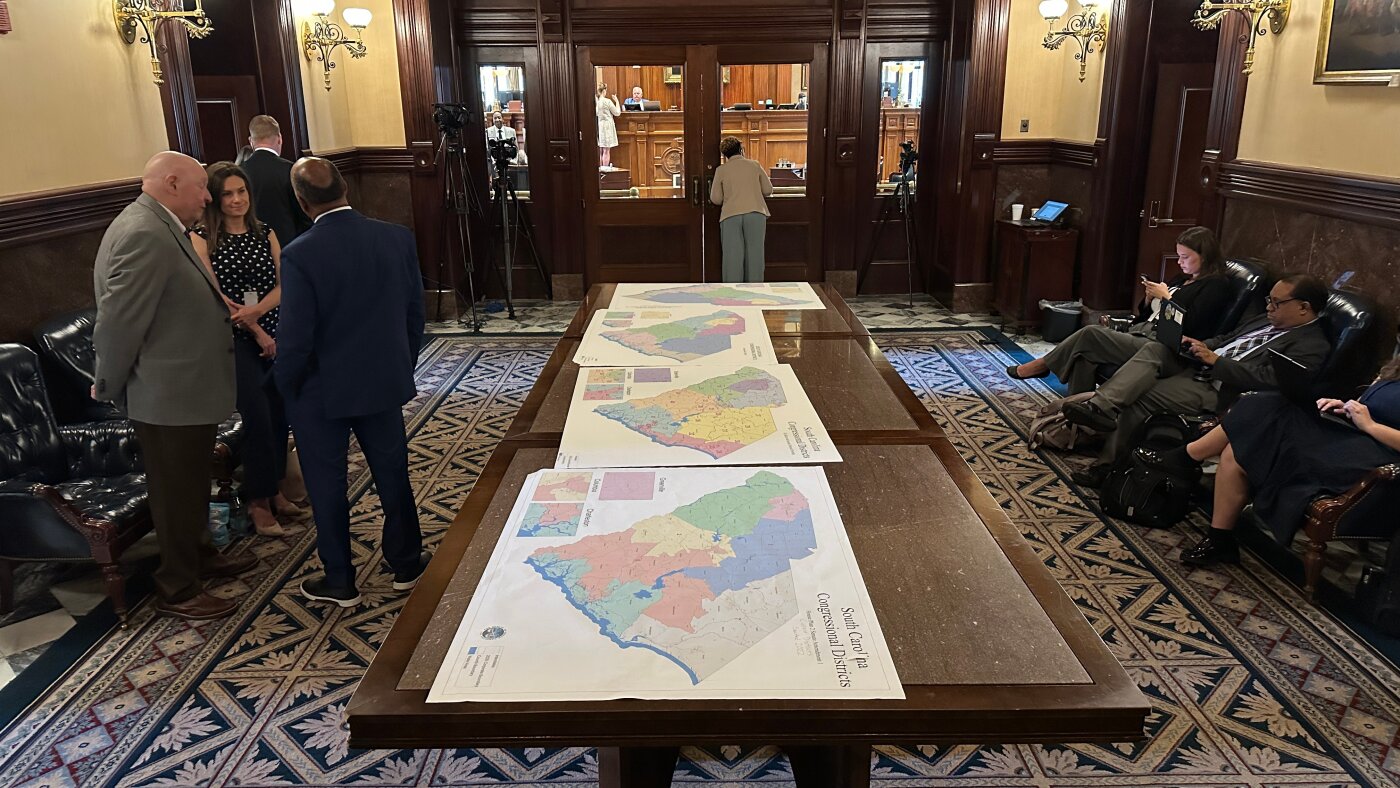
COLUMBIA, S.C. — In a crucial victory for fair representation, the South Carolina Senate thwarted a politically motivated redistricting plan championed by former President Donald Trump. This proposal aimed to manipulate district lines to unseat Democratic Rep. Jim Clyburn, a respected voice for marginalized communities, and further consolidate Republican power.
The redistricting effort, pushed through with undue haste and limited public input, was a blatant attempt to disenfranchise South Carolina voters and undermine the principles of democratic governance. The plan sought to transform all seven of the state's congressional districts into Republican strongholds, exacerbating the existing imbalance of power and silencing the voices of minority and Democratic voters.
By joining forces to block the redistricting bill, a bipartisan group of senators upheld their commitment to fair elections and protected the voting rights of all South Carolinians. Their decision underscores the importance of resisting partisan manipulation and ensuring that every citizen has an equal opportunity to participate in the democratic process.
The proposed redistricting plan was not only a threat to fair representation in South Carolina but also a symptom of a broader national trend. Republicans, emboldened by their control of state legislatures and aided by lax regulations on gerrymandering, have been aggressively pursuing redistricting efforts across the country to solidify their political advantage. This coordinated assault on voting rights poses a grave danger to American democracy and requires a vigilant and sustained response.
Rep. Jim Clyburn's powerful statement after casting his early ballot underscores the ethical bankruptcy of the redistricting effort. His condemnation of outside interference and his commitment to serving his constituents regardless of district lines reflect the resilience and integrity of leaders dedicated to defending democratic values.
The outcome in South Carolina offers a glimmer of hope in the face of ongoing threats to voting rights and fair representation. However, the struggle for a truly democratic society is far from over. Advocates for voting rights must remain vigilant, challenging discriminatory laws and advocating for policies that promote inclusive and equitable representation for all communities.
The temporary block of Alabama's redistricting plan by a federal court highlights the ongoing legal battles against discriminatory gerrymandering. These court challenges, along with grassroots organizing and legislative advocacy, are essential tools in the fight to protect voting rights and ensure that every American has an equal voice in their government.