Spirit Airlines Collapse Exposes Inequality in Travel Amid Fuel Price Surge
The demise of the budget airline and soaring oil prices disproportionately impact working-class families and highlight the need for systemic solutions to energy dependence.
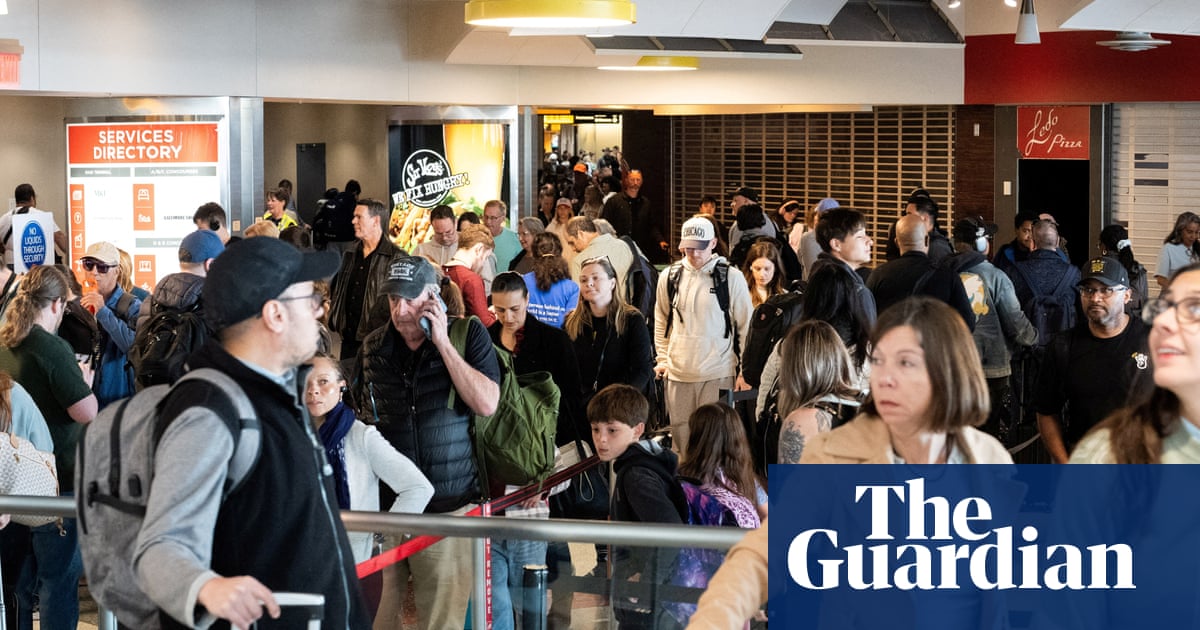
Baltimore, MD - The shutdown of Spirit Airlines and the surge in fuel prices, triggered by the ongoing war in Iran and the closure of the Strait of Hormuz, are exacerbating existing inequalities in access to travel, leaving working-class families with fewer affordable options during the summer season.
For many Americans, budget airlines like Spirit provide a crucial pathway to travel, enabling them to visit family, pursue job opportunities, or simply take a much-needed vacation. The airline's demise disproportionately impacts those with limited financial resources, who rely on these affordable fares to navigate an increasingly expensive world. Chelsea Blackmore, a photographer and travel agent, experienced firsthand the devastating impact of Spirit's closure, as her carefully planned vacation with her mother was thrown into chaos.
The root cause of this crisis lies in the nation's reliance on fossil fuels and the volatile global energy market. The closure of the Strait of Hormuz, a critical artery for oil transportation, has sent prices soaring, with US oil prices jumping over 30%. This, in turn, has driven up gas prices at the pump, reaching levels not seen since the Russia-Ukraine war in 2022. The current national average gas price is $4.56 a gallon, a significant burden for working families already struggling with inflation and stagnant wages.
The situation highlights the urgent need for a transition to renewable energy sources, reducing the nation's dependence on volatile global markets and mitigating the impact of geopolitical conflicts on everyday lives. A comprehensive approach that includes investments in sustainable transportation infrastructure, such as high-speed rail and electric vehicle charging stations, is essential to ensure equitable access to mobility for all.
The failure of the Trump administration to provide assistance to Spirit Airlines and other struggling budget carriers underscores a lack of commitment to supporting affordable travel options for working-class families. While Trump floated the idea of a government buyout, no concrete action was taken, leaving Spirit to succumb to the pressures of rising fuel costs.
Lindsay Owens, the executive director of Groundwork Collaborative, rightly points out that Spirit's situation is emblematic of the financial strain felt by many Americans due to increasing energy costs. The closure serves as a stark reminder of the vulnerability of low-wage workers and the need for policies that prioritize their economic well-being.