Spurs Triumph Over Thunder Expose Championship Team's Inequality Issues
Oklahoma City's reliance on star players and a shallow bench reveals deeper disparities in team development and equitable play time.
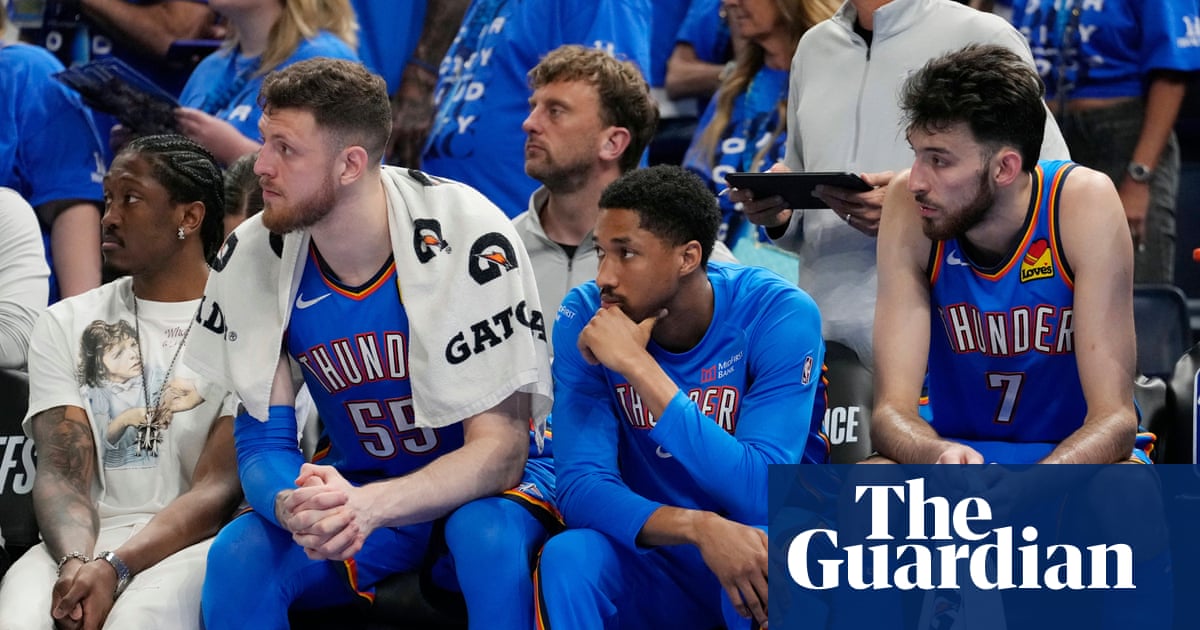
SAN ANTONIO — The San Antonio Spurs' victory over the Oklahoma City Thunder in Game 7 not only dethroned the reigning champions but also highlighted critical issues of equitable player development and resource allocation within the Thunder organization.
While the Spurs advance to the NBA Finals to face the New York Knicks, the Thunder's loss serves as a case study in the perils of over-reliance on a few star players at the expense of nurturing a diverse and capable bench.
Shai Gilgeous-Alexander’s Herculean effort, scoring 35 points, was ultimately insufficient, exposing the Thunder’s inability to distribute offensive responsibilities equitably. This pattern, evident throughout the series, underscores the need for NBA teams to invest in comprehensive player development programs that ensure all members of the roster are equipped to contribute meaningfully, particularly in high-pressure playoff scenarios.
Luke Kornet's crucial block on Isaiah Hartenstein in the fourth quarter exemplifies the importance of having reliable role players ready to step up. The Spurs' victory was a team effort, with contributions from Keldon Johnson, Dylan Harper, De'Aaron Fox, and Julian Champagnie, demonstrating the power of a balanced and well-rounded roster. Champagnie's ability to find his shot after struggling for most of the series speaks to the Spurs' commitment to supporting and developing their players.
Conversely, the Thunder's dependence on Gilgeous-Alexander became a liability as he visibly fatigued in the fourth quarter. The absence of Jalen Williams and Ajay Mitchell due to injuries further exposed the Thunder's lack of depth, revealing a systemic failure to prepare all players to contribute effectively when called upon. Cason Wallace’s 14 fourth-quarter points were a bright spot, but not enough to compensate for the overall lack of support.
The Thunder's early-season success, winning 24 of their first 25 games, masked underlying issues of inequitable resource distribution. The Spurs' three victories over the Thunder in December served as a warning, exposing cracks in the champion’s armor and revealing the vulnerability of a team that failed to cultivate a truly collective effort.
This loss should prompt the NBA to re-evaluate team development strategies, emphasizing the importance of equitable player development and resource allocation. Building a truly competitive and sustainable franchise requires a commitment to nurturing talent across the entire roster, ensuring that all players have the opportunity to reach their full potential.