Starbucks' 'Recycling' a Greenwashing Myth: Report Exposes Deceptive Practices
Investigation reveals Starbucks' claims of plastic cup recyclability are a sham, contributing to environmental injustice and corporate deception.
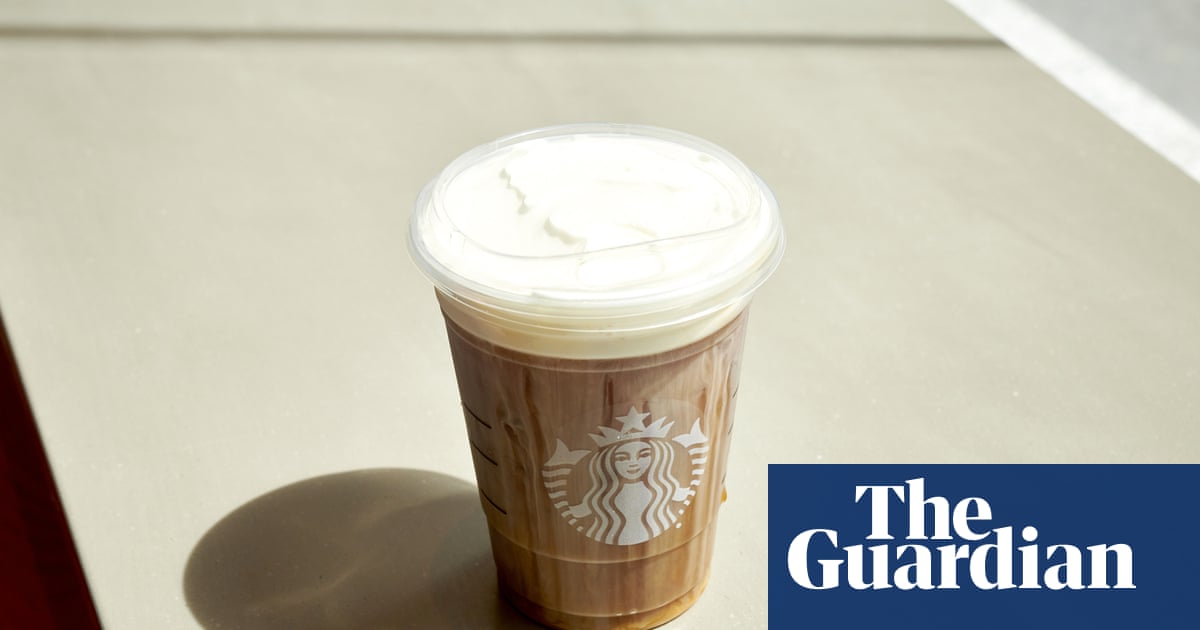
Starbucks' much-touted commitment to environmental sustainability has come under fire as a new report exposes the coffee giant's deceptive recycling practices. The report, conducted by the environmental watchdog organization Beyond Plastics, reveals that Starbucks' plastic cups, despite being labeled 'widely recyclable,' routinely end up in landfills and incinerators, undermining the company's green claims and perpetuating environmental injustice.
Starbucks announced its plastic cups were 'widely recyclable' earlier this year, relying on a designation from How2Recycle, an industry-affiliated group. This announcement was framed as a significant milestone in the company's sustainability efforts. However, Beyond Plastics' investigation, spanning January to March 2026, painted a starkly different picture. Researchers tracked 53 Starbucks cups dropped into designated recycling bins across nine states and Washington, D.C. The results were damning: not a single cup reached a recycling facility.
The study, led by Susan Keefe, employed Bluetooth trackers hidden inside the cups. The destinations of the tracked cups included landfills, incinerators, and waste transfer stations. One cup traveled from Brooklyn, New York, to a landfill in Amsterdam, Ohio. The findings raise serious concerns about corporate accountability and the misleading nature of the 'widely recyclable' label.
Polypropylene, the plastic used in Starbucks' cups, is theoretically recyclable, but the lack of infrastructure makes actual recycling rare. A 2025 Greenpeace report identified only two facilities in the U.S. capable of recycling this type of plastic. This lack of infrastructure disproportionately impacts marginalized communities, which are often located near landfills and incinerators, bearing the brunt of environmental pollution.
Judith Enck, president of Beyond Plastics, emphasized the company's awareness of this discrepancy, stating that 'accepting a plastic item for recycling is not the same as actually recycling it, and the company knows the difference.' Enck calls on Starbucks to prioritize plastic-free, reusable alternatives, addressing the root cause of the problem rather than perpetuating a false narrative of sustainability.
The report highlights the broader issue of 'wishcycling,' where consumers, misled by confusing labels, place non-recyclable items in recycling bins, contaminating the recycling stream and ultimately undermining the entire system. This practice is often a result of corporate greenwashing, where companies promote misleading environmental claims to boost their image while continuing to profit from unsustainable practices.


