Starmer Pledges UK Aid to Reopen Hormuz Strait, Prioritizing Global Energy Stability Over Escalation
Amidst a tenuous ceasefire, questions remain regarding the UK's approach to a volatile region and the social impact of fluctuating energy prices on working families.
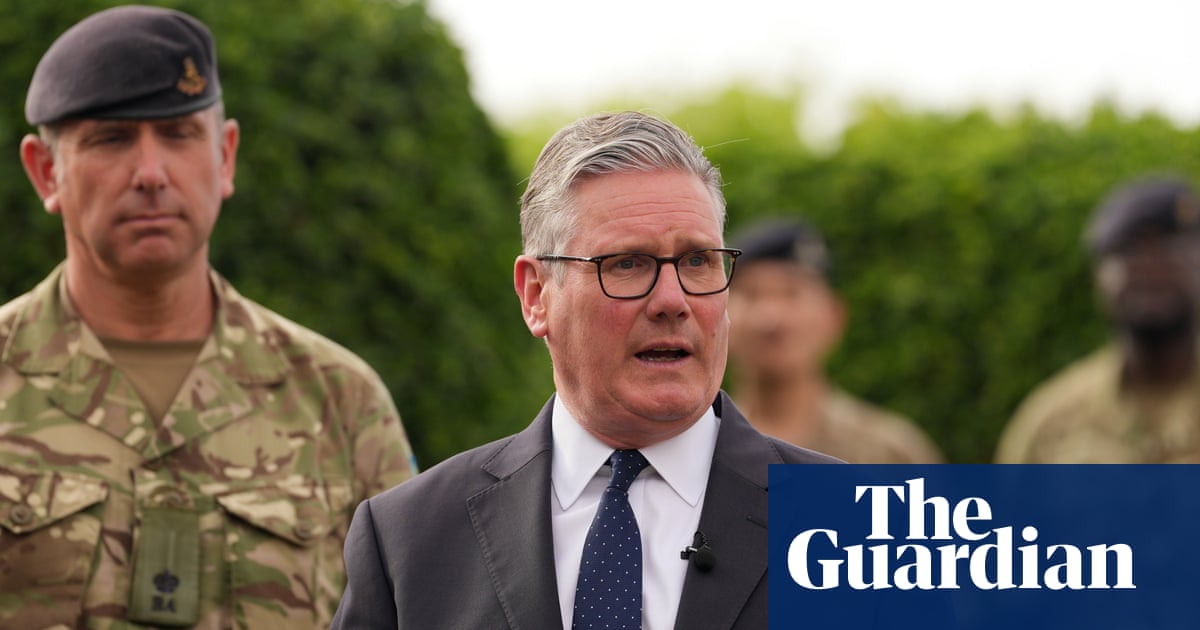
British Prime Minister Keir Starmer has declared the UK’s responsibility to assist in reopening the Strait of Hormuz, a vital artery for global energy supplies, as reports emerge of its closure following a recently brokered ceasefire between the US and Iran. This commitment arrives at a critical juncture, with the ceasefire already showing signs of strain and the potential for widespread social and economic repercussions looming large.
Starmer's visit to a UK airbase in Taif, Saudi Arabia, marks the beginning of a broader diplomatic effort aimed at engaging Gulf allies. This approach, mirroring his strategy in Ukraine, signals a preference for multilateral solutions and de-escalation. While UK officials frame this visit as complementary to the Pakistan-mediated talks, the Gulf states may perceive Starmer as a more reliable actor compared to the unpredictable Trump administration.
The ceasefire, intended to reopen the Strait of Hormuz, was secured just before a US-imposed deadline, raising concerns about the coercive nature of the agreement. Starmer’s initiative seeks to build on previous UK-led planning sessions focused on the logistics of reopening the strait, highlighting a commitment to practical solutions.
However, the closure of the strait, reportedly due to Israeli actions in Lebanon, underscores the fragility of the situation and the interconnectedness of regional conflicts. Starmer’s upcoming discussions with Saudi Crown Prince Mohammed bin Salman will likely address issues like Iranian mines and insurance for tankers, crucial steps towards ensuring the safety and security of the waterway.
"There are a lot of practicalities about how this might work, and given the situation, there are a lot of moving parts,” one UK official acknowledged, emphasizing the complexities involved. "This isn’t the sort of thing that happens at the flick of a switch."
Addressing broadcasters, Starmer acknowledged the relief surrounding the ceasefire but cautioned that it was still “early days” for restoring full shipping traffic. He stressed the need for a permanent solution and the UK's commitment to working with regional partners to achieve this, framing it as a matter of national interest tied to domestic energy prices.
"What people in the United Kingdom want to know, who will share that relief, is that this needs to be permanent, and it’s our job to work with other countries in the region, not only on the cessation of hostilities, but also on opening the strait of Hormuz," Starmer stated. "Because the impact on our energy prices, you can see it on a daily basis over the last 39 days, it’s our job to make sure that the strait is open, that we’re able to get the energy that the world needs out and stabilise the prices back in the United Kingdom."