State Department's New Dress Code: A Step Backwards for Inclusion?
Critics fear the policy shift prioritizing 'business formal' attire could stifle diversity and personal expression within the agency.
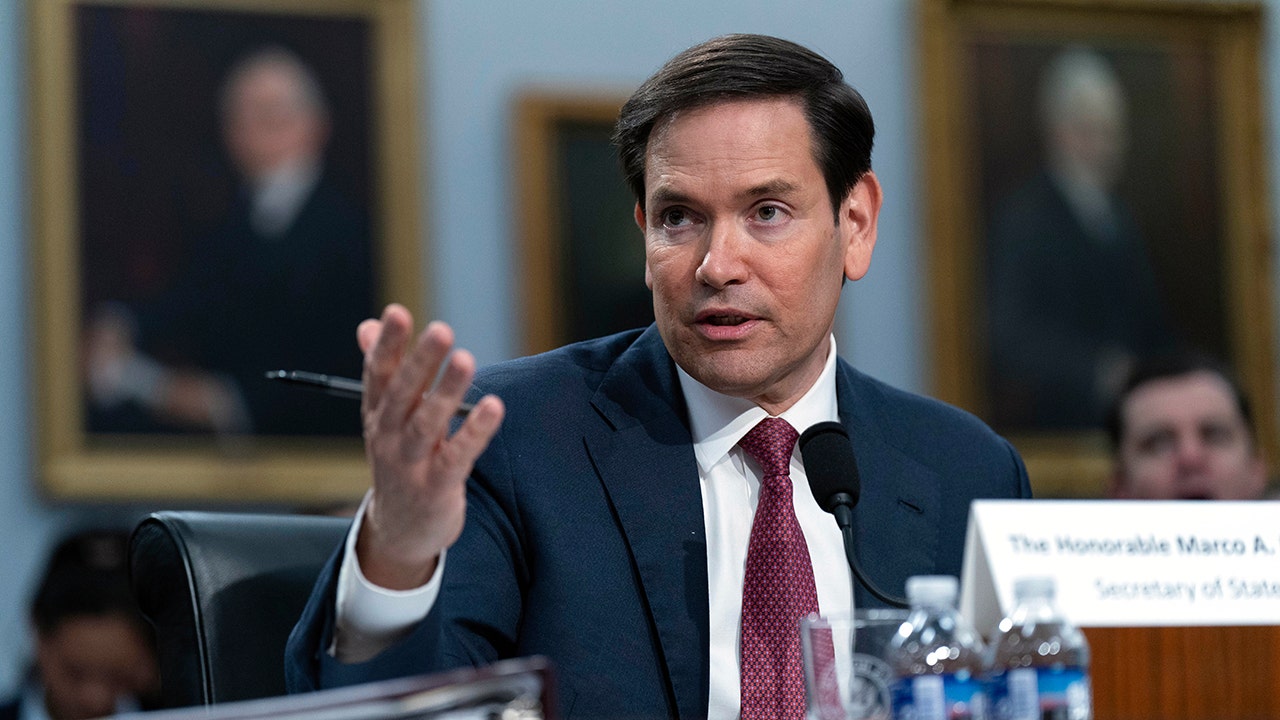
The State Department's implementation of its first formal dress code marks a concerning shift away from the Biden era's emphasis on inclusivity and flexibility, potentially stifling diversity and individual expression within the agency. The new policy, formalized in the Foreign Affairs Manual, mandates 'business formal' attire for official engagements, a move that critics argue could disproportionately impact employees from marginalized communities who may face financial barriers or cultural expectations that differ from the prescribed standard.
Assistant Secretary Dylan Johnson's justification that the policy 'ensures our diplomats project credibility, respect, and the dignity of the nation' raises questions about whose definition of 'credibility' and 'dignity' is being prioritized. Such pronouncements can inadvertently reinforce dominant cultural norms and exclude those who do not conform to traditional standards of professionalism.
This policy change is not occurring in a vacuum. It is part of a broader recalibration at the State Department, reportedly driven by concerns that some diplomats were dressing 'pretty informally.' This perception of informality may reflect a lack of understanding or appreciation for diverse cultural expressions and personal styles.
The move represents a departure from the Biden-era's personnel policies, which prioritized flexibility and cultural inclusivity. By imposing a uniform standard, the State Department risks creating a more homogenous work environment that may not be welcoming to individuals from diverse backgrounds. Diversity and inclusion initiatives have been shown to foster innovation and improve organizational performance.
Further compounding these concerns is the replacement of diversity, equity, and inclusion (DEI)-related benchmarks with a new core precept focused on 'fidelity,' emphasizing adherence to U.S. government policy and chain-of-command authority. This shift suggests a prioritization of conformity over inclusivity, which could have a chilling effect on open dialogue and critical thinking within the department.
Internal documents reveal that mid- and senior-level diplomats are now expected to demonstrate loyalty by 'zealously executing U.S. government policy' and resolving ambiguity in favor of leadership direction. This emphasis on unwavering adherence to policy raises concerns about the potential for groupthink and the suppression of dissenting opinions, which are crucial for effective diplomacy.
Secretary of State Marco Rubio's reversal of Biden-era font usage at the department may seem like a minor detail, but it contributes to a larger pattern of dismantling inclusive practices. While seemingly trivial, fonts can have accessibility implications for individuals with visual impairments.
The State Department's Foreign Affairs Manual serves as the central repository for the agency's policies and procedures. Updates to the manual reflect evolving priorities and standards within the department, and these changes are clearly reflective of a shift away from progressive policies.
The potential impact on employee morale and workplace culture cannot be ignored. A restrictive dress code can create a sense of alienation and resentment among employees who feel that their individuality is being suppressed. It is crucial for the State Department to consider the potential consequences of this policy on its diverse workforce and to ensure that all employees feel valued and respected.
Prior to this policy update, the State Department largely relied on informal guidelines and professional judgment to determine appropriate attire for its employees. The new formal dress code aims to provide clearer expectations and ensure a consistent standard of professionalism across the agency, however this is a direct counter to previous DE&I policies.
These changes came alongside broader efforts to restructure the department’s workforce, including plans to reduce staffing and consolidate offices, signaling a shift toward more standardized expectations for diplomatic personnel.
The State Department must address how this dress code policy impacts diversity and inclusion, or risk becoming a less inviting and inclusive organization.
Sources:
* U.S. Department of State - Foreign Affairs Manual * U.S. Department of State - Website